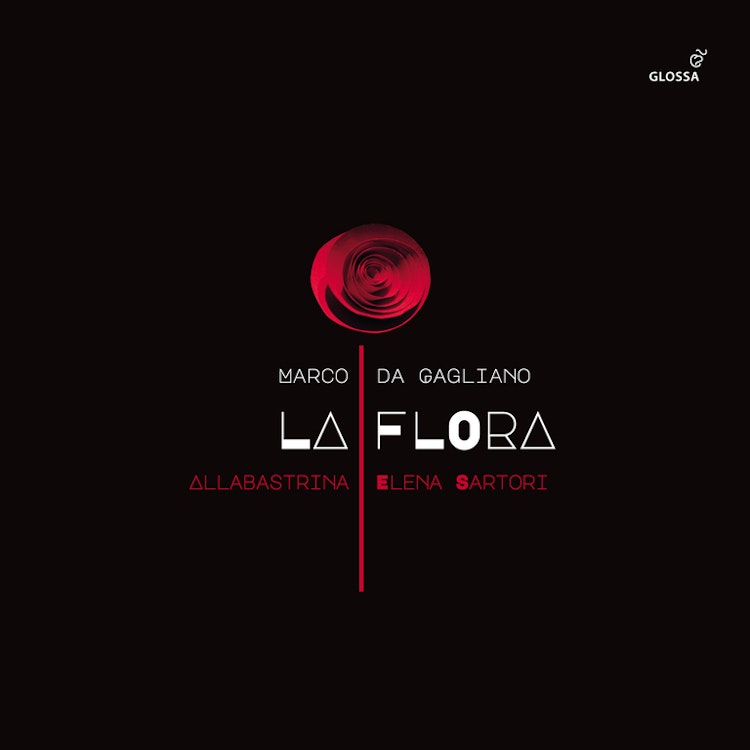
Marco da Gagliano composed an impressive number of works, but only two of his fourteen operas have survived: "La Dafne" (1608) and "La Flora" (1628).
Composition History
"La Flora" premiered on October 14, 1628, at the Teatro degli Uffizi in Florence for the wedding of Margherita de' Medici and Odoardo Farnese, Duke of Parma.
Composition History
Opera was born in Florence in 1600 with the performance of Ottavio Rinuccini's "L'Euridice" with music by Jacopo Peri, which is considered the first opera with surviving complete music.
Cultural Impact
The opera's plot, where the nymph Clori changes her name to Flora (a reference to Florence) and gives birth to flowers by marrying Zeffiro, depicts the same myth as Sandro Botticelli's paintings "The Birth of Venus" and "Spring".
Historical Context
The libretto of "La Flora" contains references to political events and figures of the time, such as Christina of Lorraine, Maria Maddalena of Austria, and Margherita de' Medici, showing how opera became a powerful political tool.
Composer Biography
Marco da Gagliano, the composer of "La Flora", was director of music at the Medici court in Florence from 1611 until his death in 1643.
Interpretation
Elena Sartori, the artistic and musical director, based her interpretation and instrumentation choices on the modest size of the original Teatro degli Uffizi where "La Flora" premiered.