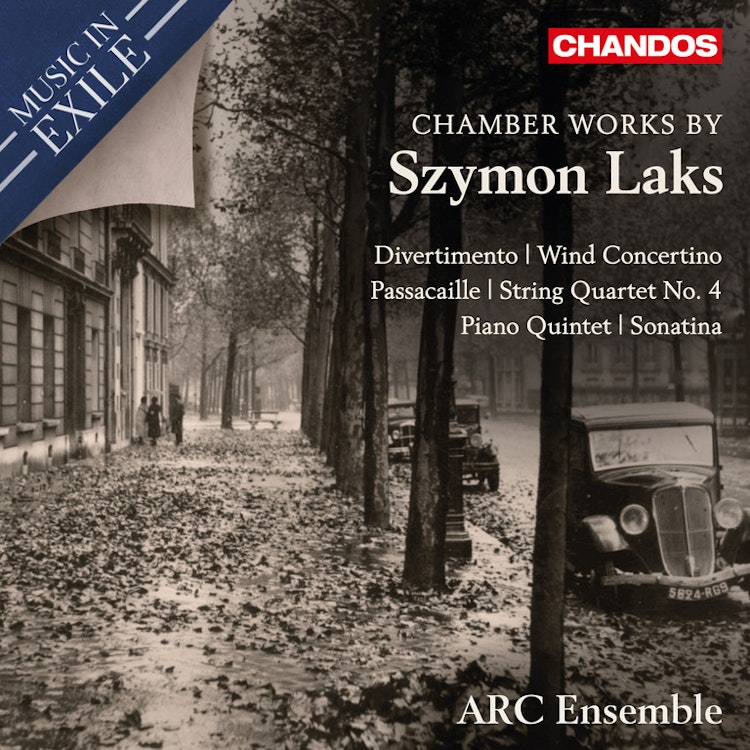
During World War II, Szymon Laks was interned in the transit camp at Pithiviers and later deported to Auschwitz-Birkenau.
Performer Biography
The ARC Ensemble, which performs on this album, is known for its research and recovery of music lost to political suppression, particularly through its 'Music in Exile' series.
Critical Reception
Szymon Laks's view that music was powerless to improve conditions for prisoners in Auschwitz, and his 'backward-looking style', led to his musical legacy being largely ignored.
Composition History
Szymon Laks abandoned composition in June 1967, after the Six-Day War, feeling that writing music had lost its meaning.
Compositional Technique
While imprisoned in Auschwitz, Szymon Laks developed an orchestration technique called 'odeon' to allow any group to perform any work, regardless of missing musicians.
Composer Biography
Szymon Laks, the composer, studied mathematics at Wilno (now Vilnius) University before enrolling at the Warsaw Conservatory in 1921.
Composer's Artistic Vision
Szymon Laks's music is largely rooted in the pre-war language of the École de Paris, characterized by a neoclassical, transparent, and formally precise style.
You might also enjoy...
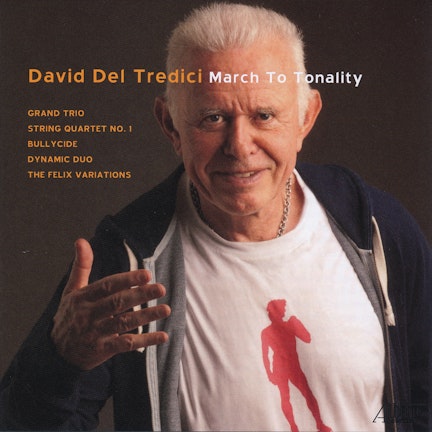
March To Tonality
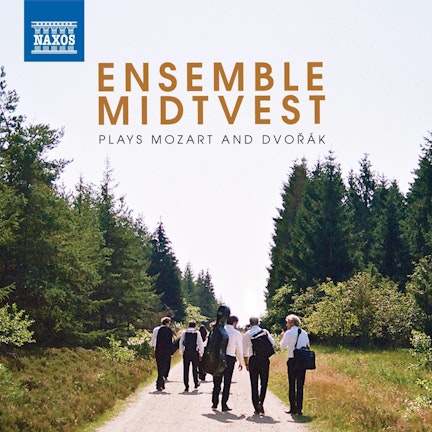
Mozart: Serenade in B-Flat Major (Arr. C.F.G. Schwencke) - Dvořák: Serenade in D Minor (Arr. F. Hertl)
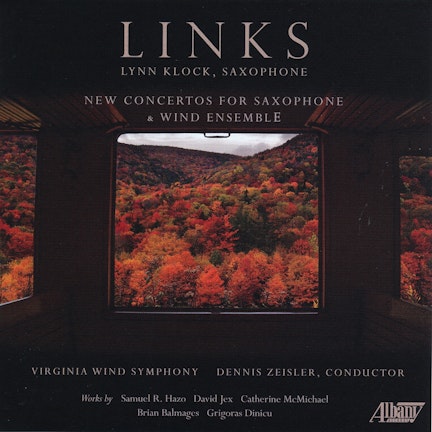
Links: New Concertos for Saxophone and Wind Ensemble
Images of Brazil
Clarion
Ingrid Arauco: Vistas
Echoes of America
Partitas for Winds
The Scottish Viola (A Tribute to Watson Forbes)
The Scottish Viola: A Tribute to Watson Forbes
Harris: A Warm Day in Winter
The Merling Trio Performs Works by C. Curtis-Smith