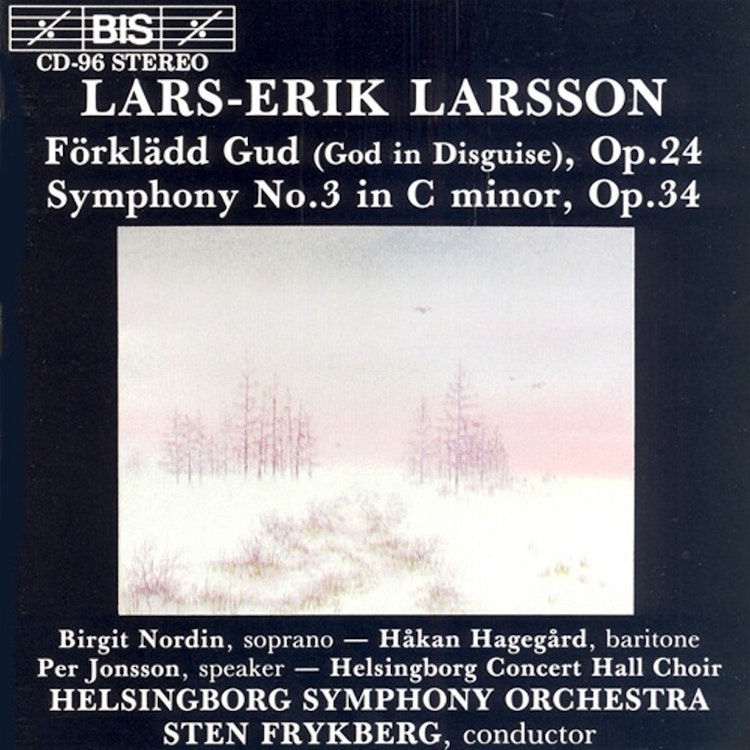
Larsson: Forkladd Gud (God in Disguise) / Symphony No. 3
3/31/1990, 14 Tracks, 1:04:11
Featuring
Sten Frykberg
Birgit Nordin
Håkan Hagegård
Per Jonsson
Helsingborgs Symfoniorkester
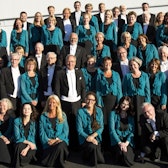
Helsingborgs Konserthuskör
Lars-Erik Larsson
Did you know?
1/7
Compositional Technique
Lars-Erik Larsson began using twelve-tone composition at the end of the 1950s, but it was a personal creation, not the twelve-tone technique of Schoenberg.
Critical Reception
Lars-Erik Larsson was self-critical, withdrawing his Second Symphony after its 1937 premiere, only for its final movement, Ostinato, to become popular.
Composer Biography
Lars-Erik Larsson, a Swedish composer, was a pupil of Alban Berg in Vienna for a short time.
Composition History
The lyric suite, a program type popular at the Swedish Radio, involved poetry reading interspersed with music, and was the origin of works like Larsson's Pastoral Suite.
Composition History
Lars-Erik Larsson was employed by the Swedish Radio in 1937, where he worked as a producer and conductor, and was expected to compose.
Performer Biography
Sten Frykberg, born in 1910, started his career as a pianist and later became a principal conductor for several Swedish orchestras.
Composer's Artistic Vision
Lars-Erik Larsson's 'God in Disguise' is a protest against violence, created during a bitter time, yet maintains an optimistic and pastoral atmosphere.
You might also enjoy...
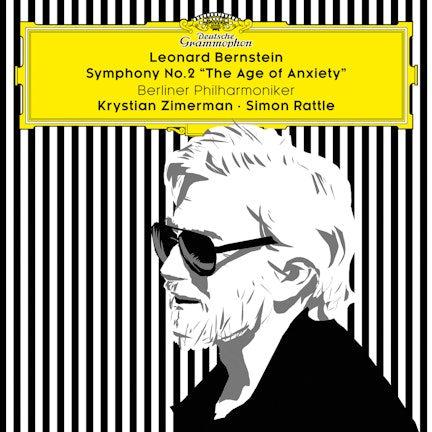
Bernstein: Symphony No. 2 "The Age of Anxiety"
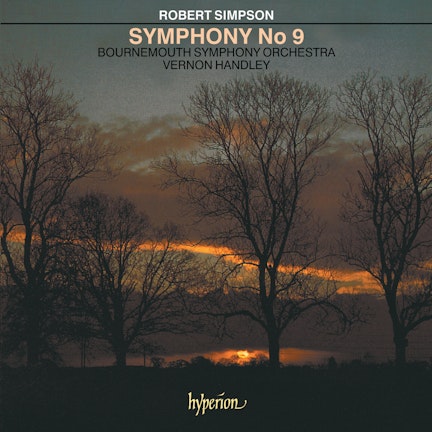
Simpson: Symphony No. 9 & Illustrated Talk by the Composer
Berlioz: Symphonie Fantastique [Gemini Series]
Berlioz: Symphonie fantastique, Op. 14, H. 48 & Lélio, Op. 14b, H. 55B (Live)
Malcom Arnold: Symphony No. 9
Berlioz: Épisodes de la vie d'un artiste
Elgar: Symphony No. 2 in E Flat Introduction and Allegro