The introductory trope "Sanctissimus" is no longer sung in today's liturgy but in the Middle Ages, it introduced the principal entrance hymns of the year.
Composition History
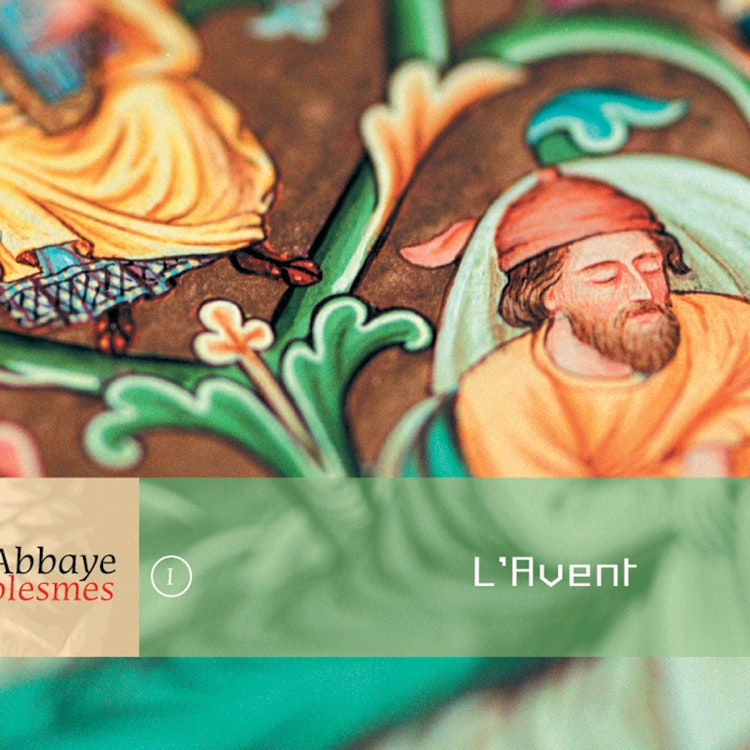
This recording brings together all the pieces for the four Sundays of Advent, offering a meditative experience of the mystery of the Lord's coming.
Composition History
The "Prosula" is a medieval composition that comments on the liturgy, traditionally linked to the Alleluia of the second Sunday of Advent, emphasizing the Saviour's second coming.
Compositional Technique
The first words of the entrance antiphon, "Ad te levavi animam meam," define prayer as the elevation of the soul to God, expressed through a resolute melody.
Compositional Technique
Gregorian chant, a form of monophonic, unaccompanied sacred song, is used to evoke both the long waiting of people and their joyful hope.
Historical Context
The Advent season, during which the Church prepares for Christmas, encompasses the historical coming of Christ, His final coming, and a personal mystical coming for each believer.
Historical Context
The Third Sunday of Advent, known as Gaudete, is marked by joyful hope, with rose liturgical vestments instead of violet, reflecting the faithful's inner joy.
You might also enjoy...
Gregorian Chant
Vierge Marie
Gregorian Chant
Cantate Canticum Novum: Gregorian Chants for the Liturgical Year
Vêpres Et Complies, Kyriale
Gregorian Chant for the Church Year
Defunts-Dedicaces
Graduale Romanum - Propers/Missa in Conceptione immaculata BVM