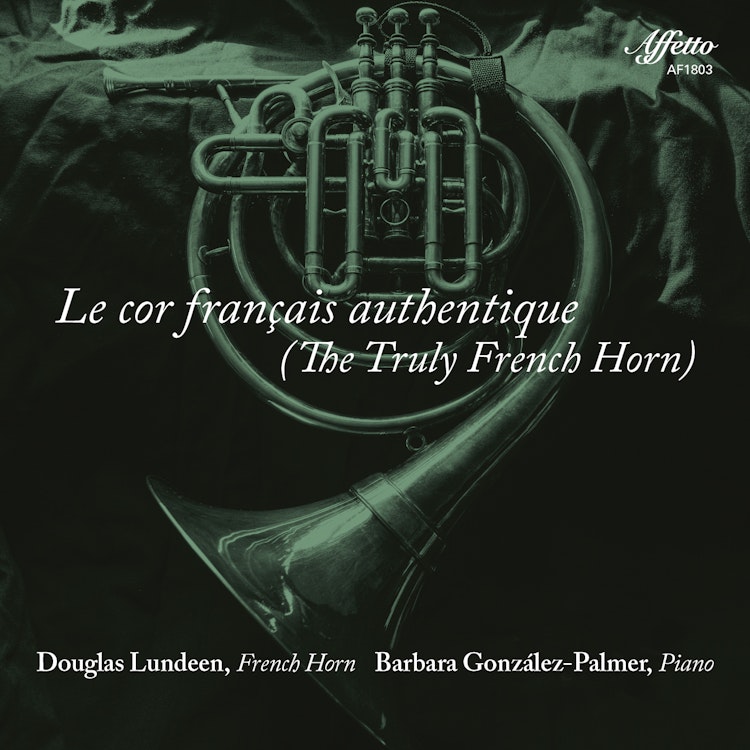
The valve was first introduced on the horn around 1814 by German hornist/instrument builder Heinrich Stölzel to allow for chromatic playing by changing the instrument's length.
Composer's Artistic Vision
19th-century French musical aesthetics treated the horn as a lyrical, woodwind-like voice, contrasting with the heroic quality developed by Germans.
Historical Context
In France, the natural horn remained the instrument of study at the Conservatoire throughout the 19th century, even as Germans embraced the valve horn.
Instruments
The French horn, or 'cor français,' was historically classified as a woodwind instrument (vent) in France, not a brass instrument (cuivres), until the late 20th century.
Interpretation
French musical aesthetics prioritize lightness, clarity, and distinct timbres for each instrument in an orchestra, rather than a blended sound.
Historical Context
The ancestor of today's orchestral French horn was the French trompe de chasse, imported to England in the 17th century from the court of Louis XIV.
Historical Context
The 'French' horn became obsolete in 1974 when the entire horn class at the Conservatoire switched to German-style rotary-valve horns due to the 'internationalization' of classical music.
You might also enjoy...
Burlesque Trombone
The Complete Piano Music of Georges I. Gurdjieff & Thomas de Hartmann, Vol. 3: Words for a Hymn to the Sun