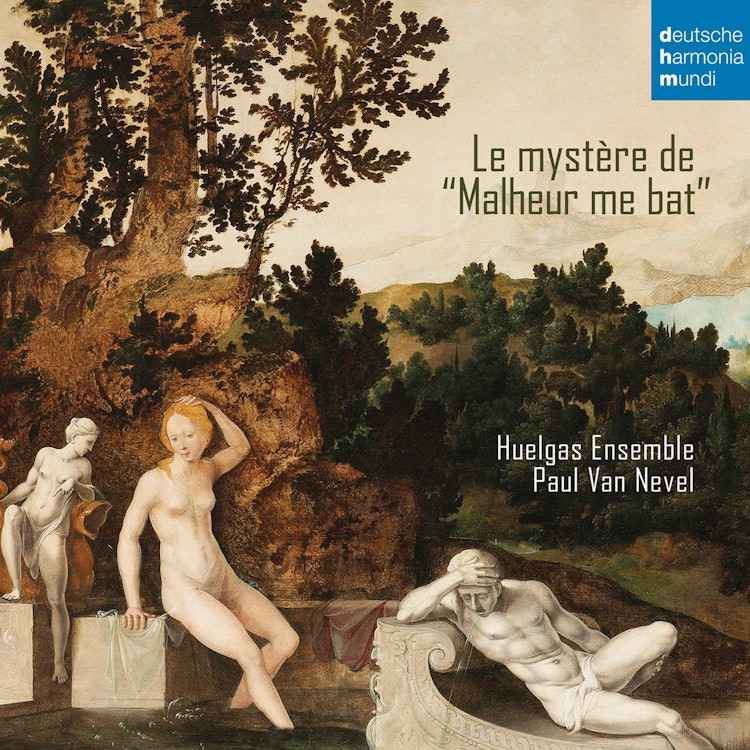
The rondeau 'Malheur me bat' was widely known in its time, as evidenced by its use as a 'cantus firmus' (a pre-existing melody used as the basis for a polyphonic composition) in works by other composers.
Interpretation
The album includes a six-part Agnus Dei by Josquin Desprez performed three times, including a four-part version that never existed, to explore the composer's creative process.
Compositional Technique
'Malheur me bat' is a famous example of a work in the Phrygian mode, characterized by a typical semitone interval from E to F and the absence of chords on the fifth degree to avoid a tritone.
Composition History
The rondeau 'Malheur me bat' has survived in over ten sources dating from 1475 to 1530, but its composer is uncertain, with manuscripts attributing it to 'Malcort', 'Martini', or 'Ockeghem'.
Critical Reception
The Phrygian mode of 'Malheur me bat' was described by theorists Heinrich Glarean (1547) as 'religious because it arouses the emotion of plaintive lamentation' and Gioseffo Zarlino (1558) as making listeners 'feel sad'.
Recording & Production
This album was recorded in July 2014 at the Église d'Écoyeux, France, with thanks to the mayors of Écoyeux for their support.
Composition History
The original text of the rondeau 'Malheur me bat' is largely unknown, as only the first three words appear as an incipit, and the oldest source uses 'Dieu d'amors' instead.
You might also enjoy...
Choral Music (15Th Century) - Isaac, H. / Obrecht, J. / Busnoys, A. / Tinctoris, J. / Hayne Van Ghizeghem / Urrede, J.
Gombert: Music from the Court of Charles V
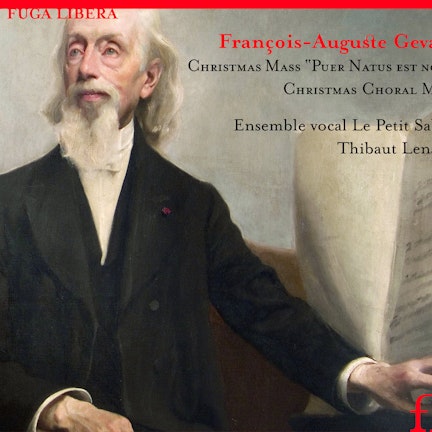
Gevaert: Christmas Mass "Puer Natus est nobis" & Christmas Choral Music
Manchicourt
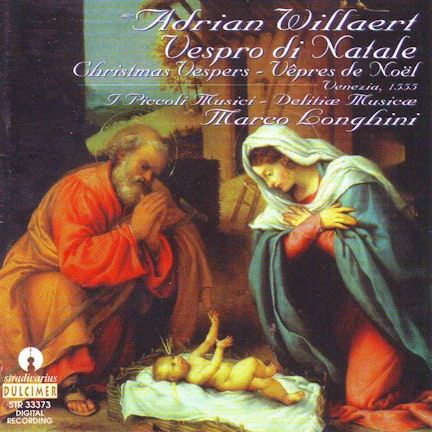
Willaert: Christmas Vespers
Firminus Caron - Twilight of the Middle Ages
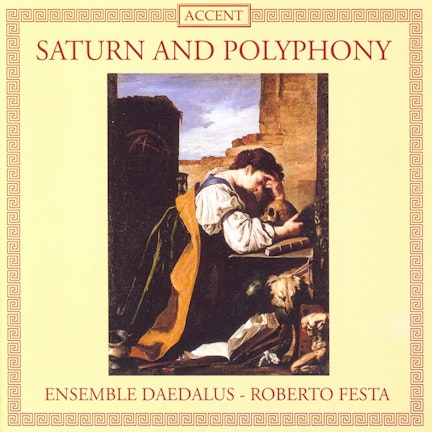
Josquin Des Prez: Plaine De Deuil / Narvaez, L.: La Cancion Del Emperador / Rore, C.: O Sonno (Saturn and Polyphony)
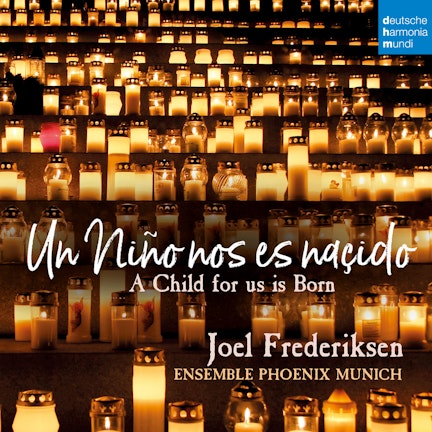
Un Niño nos es nasçido - A Child for Us Is Born
Razzi, G.: O Vergin Santa Non M'Abbandonare / Gardano, A.: Stava A Pie De La Croce (Praise the Holy Virgin) (Ensemble Daedalus)