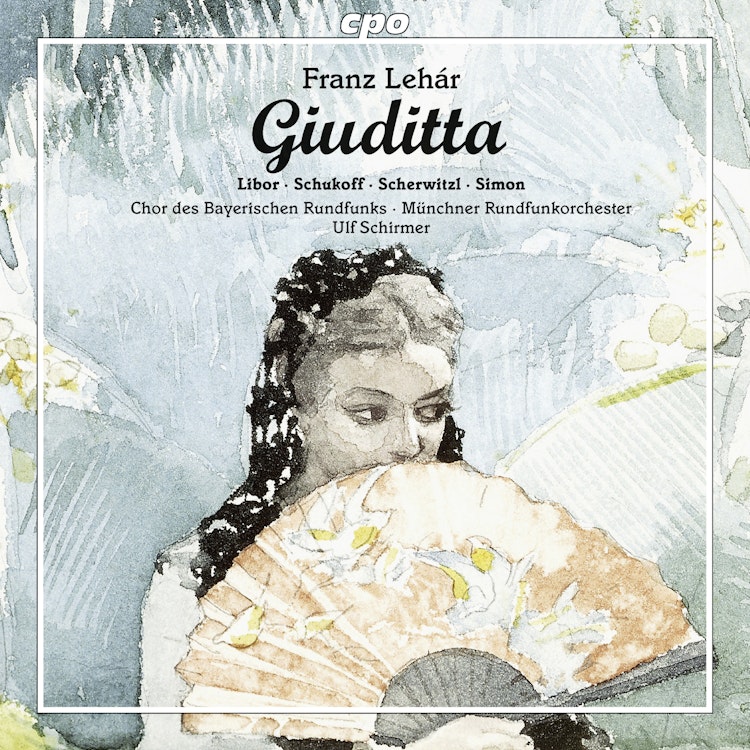
Mussolini rejected a dedication of Giuditta, finding the main character, an officer who deserts for a woman, "wholly inconceivable in Fascist Italy."
Composer's Artistic Vision
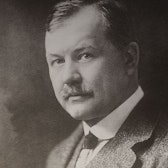
Lehár considered Giuditta his "favourite child" and believed he had poured his deepest self into it, aiming for a meticulous orchestration and effective vocal treatment.
Composition History
The premiere of Giuditta was a major media event, broadcast live by 120 radio stations, and tickets were so scarce that the press reported "Caruso prices" for them.
Cultural Impact
Giuditta is seen as Lehár's "swan song" and a work of farewell for the operetta genre itself, marking a transition where operetta began to resemble opera.
Compositional Technique
Lehár reinforced the wind section in Giuditta, using three flutes instead of the usual two, a cor anglais, bass clarinet, contrabassoon, three trumpets, and a bass tuba, giving it a more opulent orchestral sound.
Composition History
Lehár's Giuditta premiered at the Vienna State Opera in 1934, a significant event as his earlier work, Kukuška, had been rejected by Gustav Mahler for the same institution.
Historical Context
The political climate of 1934, with Hitler in power in Germany and Dollfuss's authoritarian rule in Austria, influenced the plot of Giuditta, changing its setting from Spain to Italy and the main character from a foreign legionary to an Italian officer.
You might also enjoy...
BRIGANDS GARDINER
Haydn, F.J.: Feuersbrunst (Die) [Opera]
Offenbach: Maître Péronilla
Lortzing: Der Wildschütz
Die Csárdásfürstin
Weber: Der Freischütz (Les indispensables de Diapason)