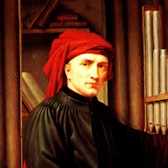
Brumel's Missa 'Et ecce terrae motus' is described as a 'visionary piece of music that creates the vision of a better (more perfect) future'.
Historical Context
The Leipzig Disputation of 1519 was a theological debate between Martin Luther and Johannes Eck, the rector of the University of Ingolstadt, which solidified Luther's break with the Pope.
Recording & Production
This album is the first major joint project between the two Leipzig-based vocal ensembles, amarcord and Calmus, after many years.
Compositional Technique
Brumel's Missa 'Et ecce terrae motus' uses the antiphon melody as a cantus firmus in long note values, creating a statically stretched harmony that is balanced by complex rhythms and flowing melodic lines.
Compositional Technique
Antoine Brumel's Missa 'Et ecce terrae motus' is a monumental work written entirely in twelve-part polyphony, making it unique for its time.
Performer Biography
The two vocal ensembles, amarcord and Calmus, both originated from the St. Thomas's Choir in Leipzig.
Composition History
Antoine Brumel's Missa 'Et ecce terrae motus' was likely the 'mass with twelve voices' performed by Georg Rhau, a musician and scholar open to the ideas of the Reformation, at the 1519 Leipzig Disputation.
You might also enjoy...
Leipziger Disputation
Victoria: Sacred Works
Gombert: Missa Media Vita In Morte Sumus
Dufay: Missa L' Homme Arme
In Paradisum - Music Of Victoria And Palestrina
From Spain To Eternity - The Sacred Polyphony Of El Greco's Toledo
Gombert: Magnificat I / Salve Regina / Credo / Tulerunt Dominum
Choral Music (16Th Century Renaissance) - Victoria, T.L. / Pujol, J.P. (La Colombina)