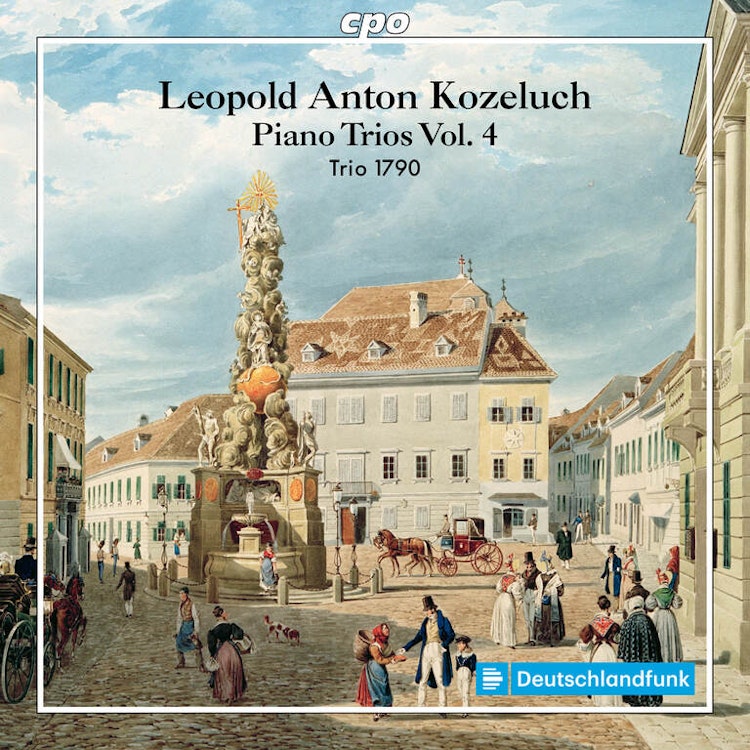
In 1781, the Archbishop of Salzburg offered Leopold Kozeluch the position of court organist, as successor to Wolfgang Amadeus Mozart, with more than double Mozart's salary.
Composition History
Over 60 of Leopold Kozeluch's piano trios have survived, testifying to the popularity of his music, with new sets often published annually in Vienna, Paris, and London.
Interpretation
Trio 1790 performs on period instruments, with Annette Wehnert playing a late 18th-century violin, Imola Gombos a violoncello from around 1800, and Harald Hoeren a fortepiano after Matthäus Heilmann.
Composer's Artistic Vision
Leopold Kozeluch is credited with the rise of the fortepiano, as he believed the harpsichord's monotony and obfuscation did not suit the clarity and nuance his music demanded.
Composer Biography
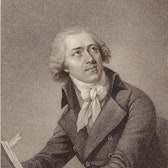
Leopold Kozeluch, born Ioannis Antonius, adopted the name Leopold around 1771 to avoid confusion with his older cousin and teacher, Jan Antonin Kozeluch, who was already a renowned musician.
Critical Reception
Leopold Kozeluch's career in Vienna was significantly boosted by the success of his funeral cantata for the death of Empress Maria Theresia in 1780, which critics praised for its dignity and emotional impact.
You might also enjoy...
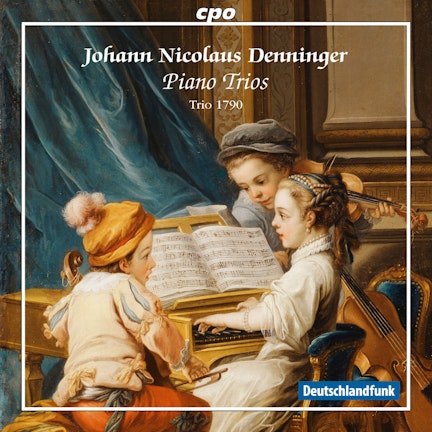
Denninger: Piano Trios
Hummel : Piano Trios Vol.2
Mozart: Trio Sonatas, K. 10-15 & Divertimento, K. 245
Mozart: The Complete Piano Trios; Clarinet Trio
Mozart: Piano Trios (Complete)
Mozart: Complete Philips Recordings
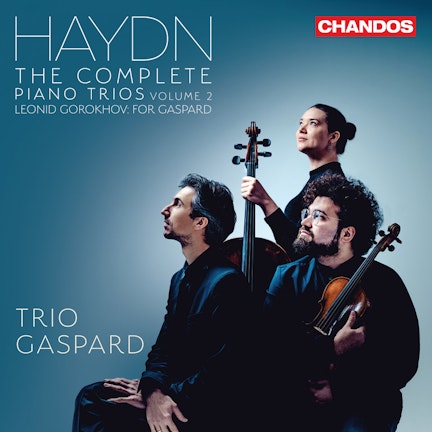
Haydn: Complete Piano Trios, Vol. 2
Haydn: Chamber Works
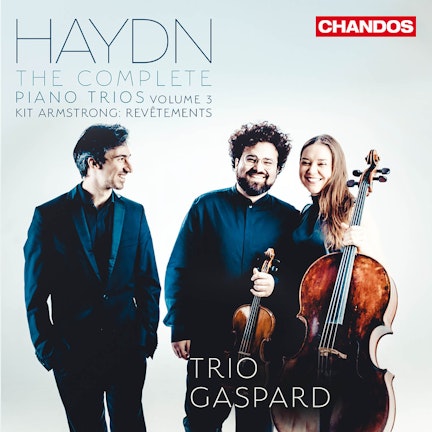
Haydn: Complete Piano Trios, Vol. 3
Haydn: The Complete Piano Trios, Vol. 1
Haydn: The Complete Piano Trios, Vol. 2
Wolfgang Amadeus Mozart: Piano Trios No. 2, K. 496, No. 4, K. 542 & No. 5, K. 548