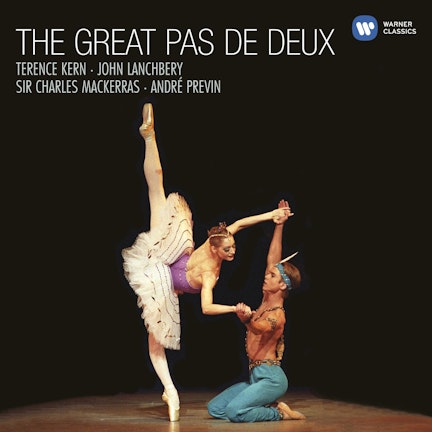
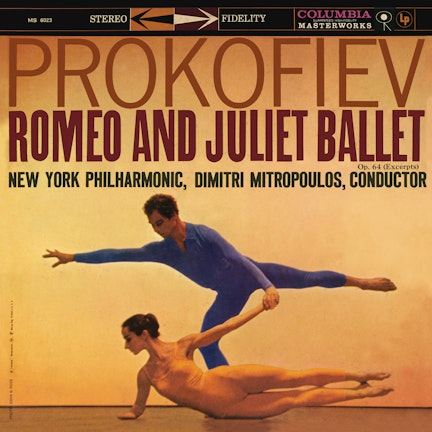
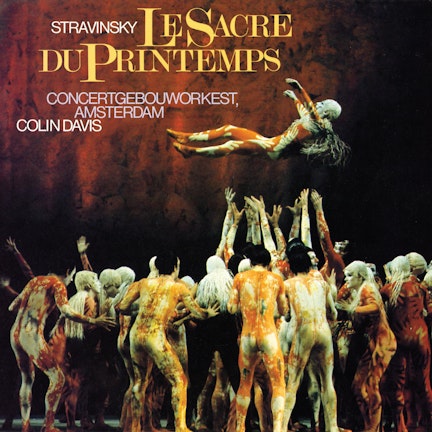
Diaghilev encouraged composers to write complex new scores, challenging dancers to adapt, which led to many Ballets Russes compositions entering the concert repertoire.
Composition History
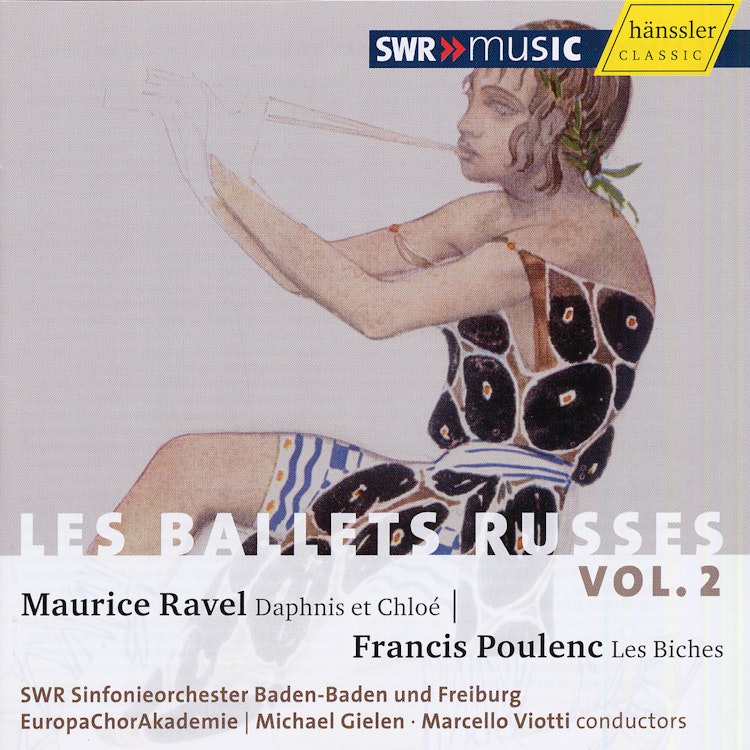
Maurice Ravel's Daphnis et Chloé was commissioned by Serge Diaghilev, director of the Russian ballet, based on a scenario by choreographer Michel Fokine.
Critical Reception
Ravel's Daphnis et Chloé was called a 'masterpiece' by Igor Stravinsky and Jean Cocteau, who described it as 'one of those creations which fall into our hearts like a comet'.
Composition History
Francis Poulenc's ballet Les Biches was commissioned by Diaghilev when Poulenc was just over twenty, and it became Diaghilev's greatest success in Paris.
Composer's Artistic Vision
Diaghilev aimed to establish ballet as a serious, progressive synthesis of the arts, integrating composers, painters, and writers into his productions.
Historical Context
Serge Diaghilev, founder of the Ballets Russes, revolutionized Western European ballet starting in 1909 with a troupe composed of the best dancers from St. Petersburg and Moscow imperial court ballets.
Compositional Technique
Ravel intended Daphnis et Chloé to be a 'great musical fresco' with a symphonic structure, using a strict tonal plan and a small number of motifs to ensure unity.
You might also enjoy...
L'éventail de Jeanne & Ma mère l'oye
Stravinsky: Petrushka - Debussy: La boîte à joujoux, L. 128
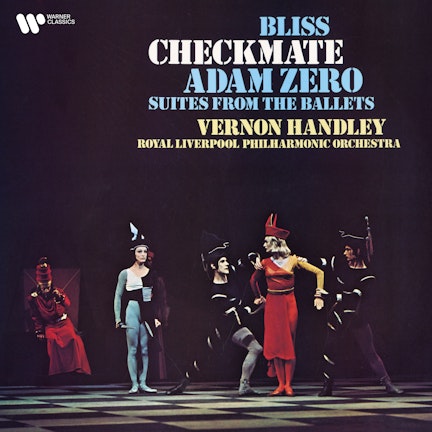
Bliss: Suites from Checkmate & Adam Zero
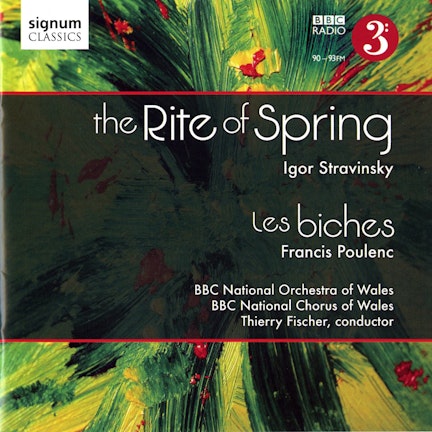
Stravinsky: The Rite of Spring - Poulenc: Les Biches
Cunningham: Gallery: Three Ballets & The Gastein Masterwork
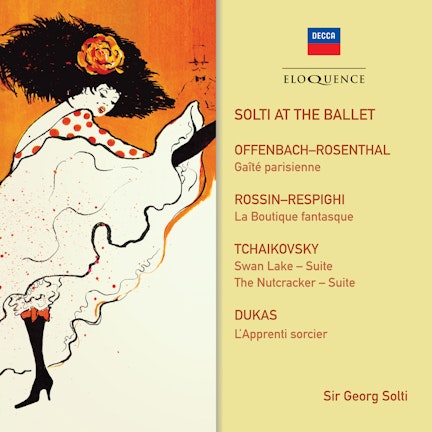
Solti At The Ballet
Pas de Deux
Prokofiev: Romeo and Juliet Ballet, Op. 64 (Excerpts)
Stravinsky: The Rite of Spring (Le Sacre du Printemps); Petrushka