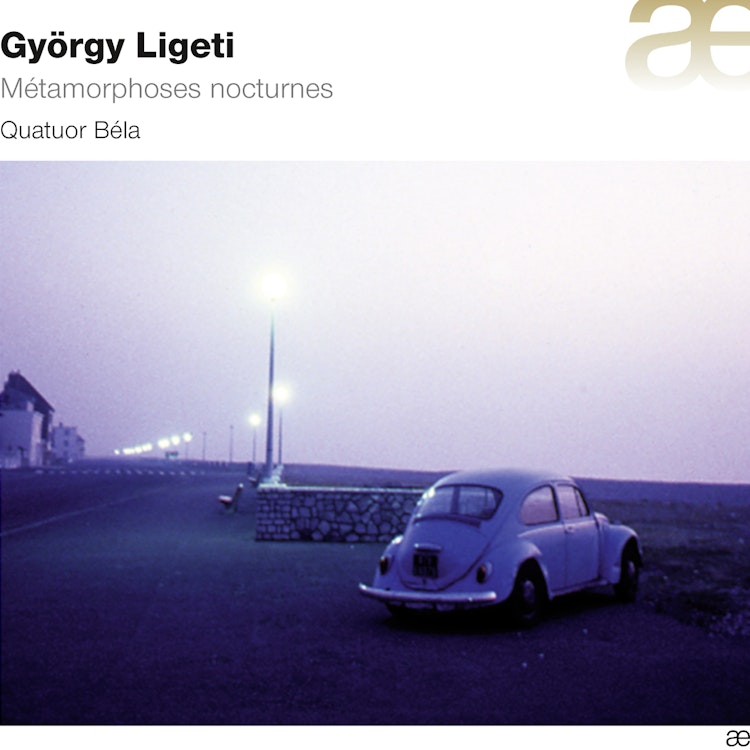
In 1956, after enduring Nazism and Communism, Ligeti fled his country at great personal risk, finally able to compose freely and explore a vast world of music.
Recording & Production
The Quatuor Béla's recording is a tribute to György Ligeti, whose String Quartet No. 2 was the foundational work for their group, though they never met the composer before his death in 2006.
Composer's Artistic Vision
Ligeti's music often features a blend of diverse influences, such as a Gypsy violinist playing Pygmy music, a 'spring-mounted liquid waltz,' or a 'fanfare of klaxons lost in a Gothic fable.'
Historical Context
During his youth, Ligeti's country's political regime tightened, proscribing musical inventions and novelty, forcing him to write in an official style while secretly composing more ambitious works.
Performer Biography
The Quatuor Béla, founded in 2006, is dedicated to performing 20th-century repertoire and new compositions, often collaborating with diverse artists from improvisers to rockers and world musicians.
Composer Biography
György Ligeti, the composer, grew up listening to both classical music like Beethoven and popular Gypsy music, which harmoniously coexisted in his mind.
You might also enjoy...
Lekeu: String Quartets & Piano Quartet
Nordgren: The Last Quartets
Cooper / Lansky: String Quartets
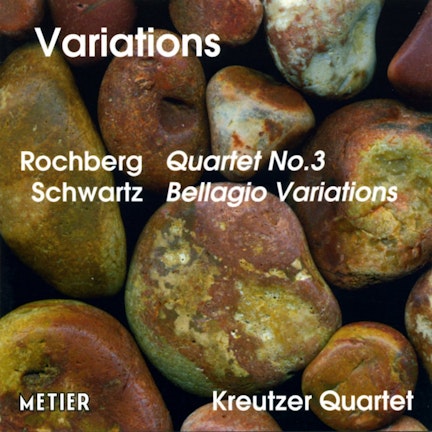
Kreutzer Quartet: Variations
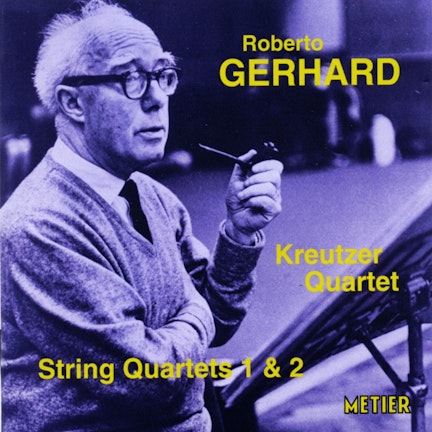
Gerhard, R.: String Quartets Nos. 1 and 2
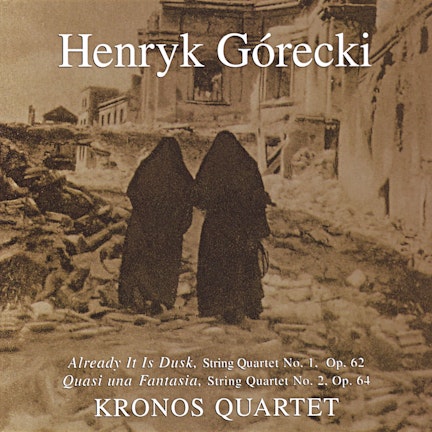
Kronos Quartet - String Quartets 1,2: Already It Is Dusk: Quasi Una Fantasia
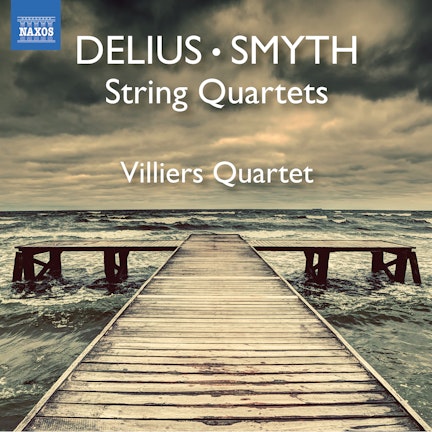
Smyth: String Quartet in E Minor, Op. 1 - Delius: String Quartet in C Minor