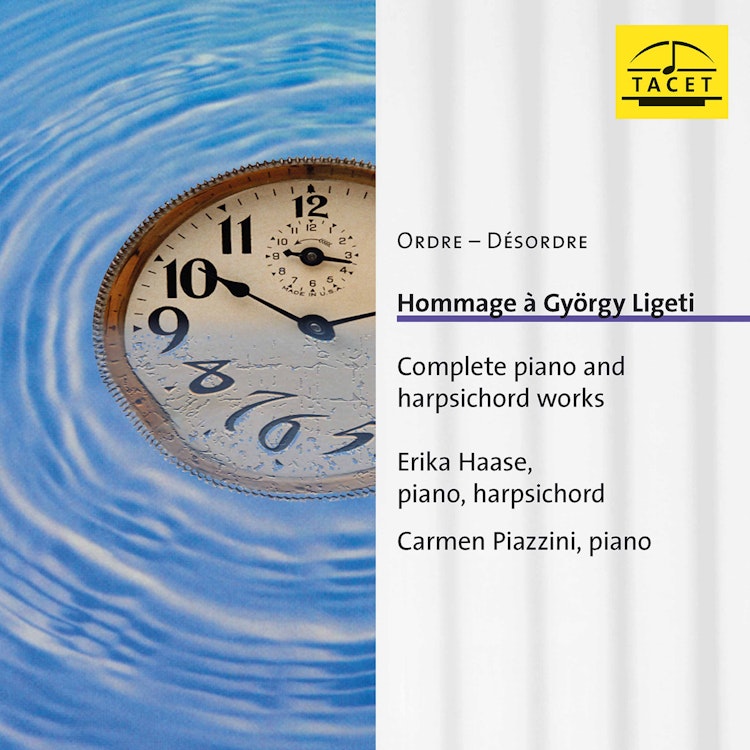
The piano was György Ligeti's 'home instrument,' which he played for pleasure, though he never pursued a concert career like Bartók or Stravinsky.
Composer's Artistic Vision
György Ligeti, the composer, aimed to create highly emotive music with complex counterpoint and rhythm, featuring perceptible melodic forms that were neither tonal nor atonal.
Performer Biography
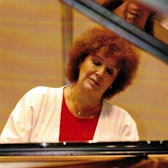
Carmen Piazzini, the other pianist, comes from a famous musical family in Buenos Aires and has an extensive discography, including complete Mozart piano sonatas and concertos.
Compositional Technique
Ligeti's Études for piano incorporate influences from chaos theory, Conlon Nancarrow, and Sub-Saharan African music, alongside the virtuoso techniques of Romantic composers like Chopin and Liszt.
Composer's Artistic Vision
Ligeti also intended to create an illusory musical space where movement and time would appear as immovable and timeless.
Composition History
After escaping to the West in 1956, Ligeti initially lost interest in composing for the piano, focusing instead on ensembles for his varied compositional ideas.
Performer Biography
Erika Haase, one of the pianists on this album, is a professor of piano at the State College of Music and Theatre in Hanover and was awarded the 'Kranichstein Music Prize' in 1959.
You might also enjoy...
Berkeley: Music for Solo Piano & Piano Duet
Encores
Arnold Schönberg: Five Pieces, Op. 16, Chamber Symphonies
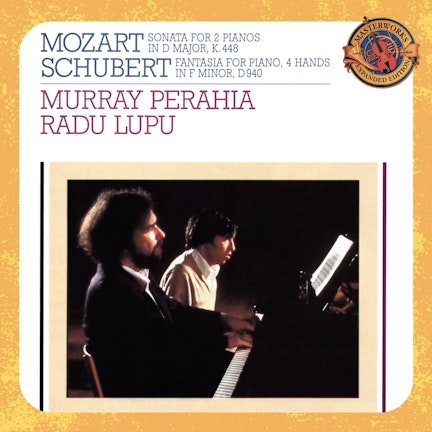
Mozart: Sonata in D Major for Two Pianos & Schubert: Fantasia in F Minor for Piano, Four Hands, D. 940 (Op. 103) - Expanded Edition
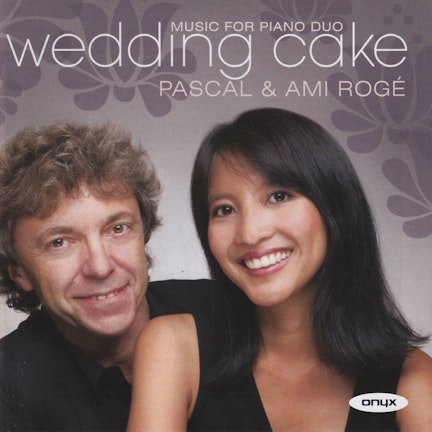
Wedding Cake
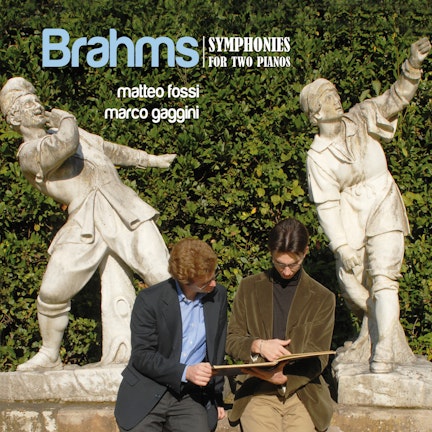
Brahms: Symphonies For Two Pianos
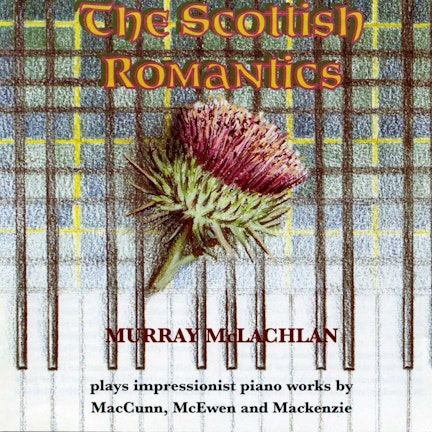
McLachlan, Murray: The Scottish Romantics
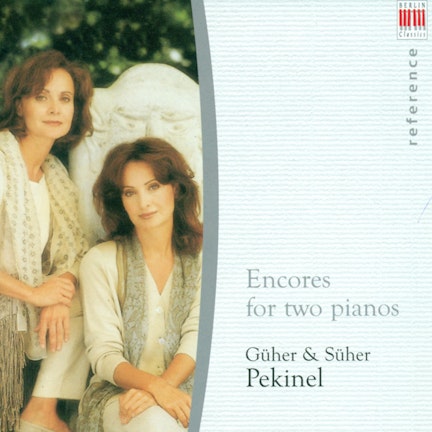
Encores for two Pianos
Ligeti: Works for Piano, 2 Pianos, and Piano 4-Hands
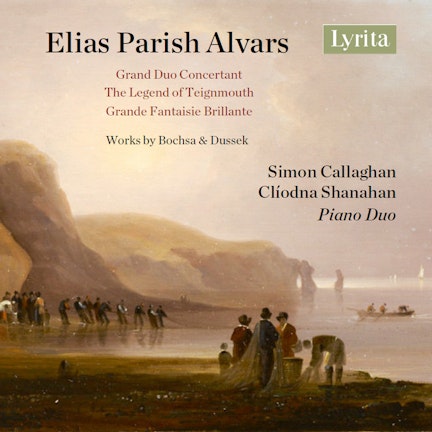
Alvars: Music for 2 Pianos
Earl Wild: The Complete Transcriptions and Original Piano Works, Vol. 3