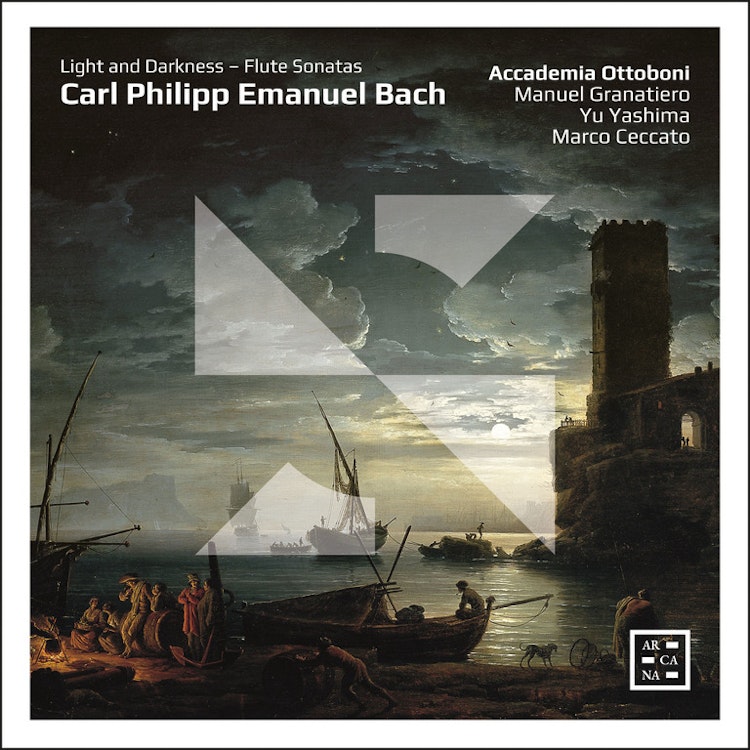
Carl Philipp Emanuel Bach's musical language combined the rhetoric of vocal recitative with the rapid emotional shifts of keyboard fantasias, contributing to his reputation as an 'original genius'.
Historical Context
Carl Philipp Emanuel Bach's career spanned from his adolescence in Leipzig to his service as harpsichordist for Frederick II ('the Great') of Prussia.
Instruments
The Sonata in G minor, BWV 1020, can be performed by either flute or violin, as the part's range does not exceed the 18th-century flute's compass and lacks violin-specific chordal writing.
Composer's Artistic Vision
Carl Philipp Emanuel Bach was a leading exponent of the Empfindsamer Stil, a German aesthetic emphasizing heightened emotional expression in music.
Composer Biography
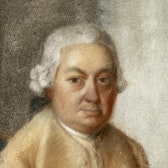
Carl Philipp Emanuel Bach, like his father Johann Sebastian Bach, left a courtly career to become music director of a large metropolis, moving to Hamburg in 1768 after three decades with Frederick II.
Composition History
The Sonata in G minor, BWV 1020, was for many years attributed to Johann Sebastian Bach, but is now considered most likely composed by Carl Philipp Emanuel Bach.
Recording & Production
The flutes used in this recording are modern reproductions of historical instruments by makers like Joannes Hyacinth Rottenburgh, Johann Joachim Quantz, and August Grenser.
You might also enjoy...
Porta Magna Cello Sonatas
Telemann: Violin Sonatas
Telemann: Die Kleine Kammermusik
Bach: Trios for Two
Giuseppe Valentini: Idee per camera a Violino e Violone o Cembalo, Op. 4