In England, Compline was observed during the Middle Ages using Sarum chants (from Salisbury, a medieval center of church music) but was suppressed at the Reformation due to its 'Catholic' nature and the suppression of monastic communities.
Historical Context
Compline is believed to have originated with the Rule of St Benedict in the early sixth century, though some scholars suggest it might be even older.
Recording & Production
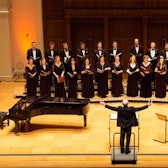
This recording was made in the Lady Chapel of Ely Cathedral, a place where monks likely sang Compline before the Reformation, chosen for its magnificent acoustics and architectural splendor.
Historical Context
Compline, a brief and simple worship service, is the last of seven daily 'offices' observed in Catholic monastic and collegiate communities, taking place immediately before bedtime.
Compositional Technique
The four monumental antiphon settings for double choir by Victoria, which form the centerpiece of the motets album, incorporate fragments of Gregorian chants scattered among the eight voice parts.
Cultural Impact
After initial controversy, Compline has become a cherished part of Anglican worship, both for private devotion and for religious and collegiate communities.
Composer Biography
Orlande de Lassus, the most prolific and cosmopolitan composer of the Renaissance, was admired throughout Europe for his compositional mastery and served as choirmaster at St John Lateran in Rome and maestro di cappella at the Bavarian court in Munich.
You might also enjoy...
Renaissance - Music for Inner Peace
1612 Italian Vespers
Art choral vol. 1: Renaissance
Allegri: Miserere; Tallis: Lamentations of Jeremiah & other Renaissance Masterpieces
Choral Music - Hildegard of Bingen / Palestrina, G. / Byrd, W. / Isaac, H. / Josquin Des Prez / Dufay, G.
A Wondrous Mystery: Renaissance Choral Music for Christmas