Lincke prioritized effective orchestration, taking inspiration from Jacques Offenbach, Franz von Suppé, and Carl Millöcker, but not Johann Strauss, whose "uneven orchestration" he criticized.
Composer Biography
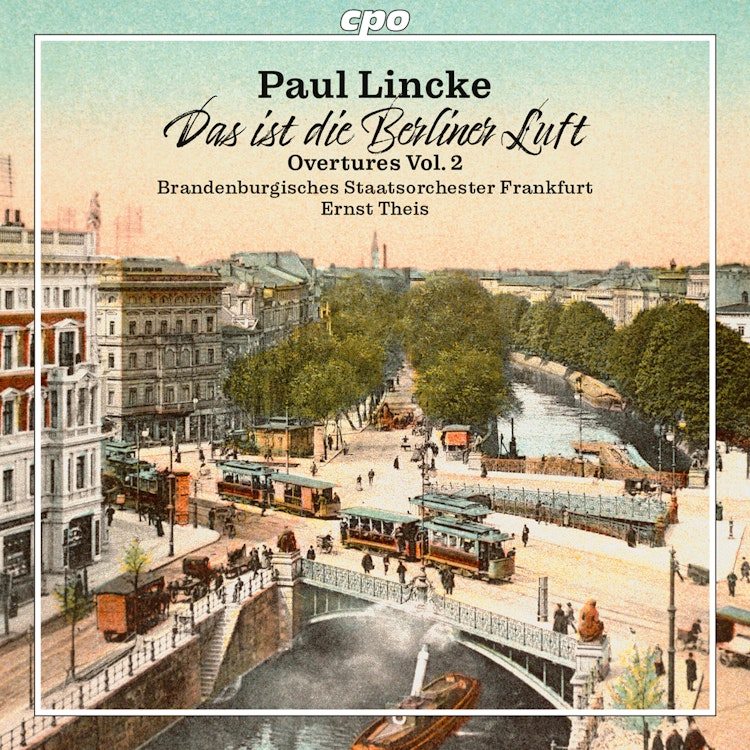
Paul Lincke, born in 1866, began his musical career at 18 as a bassoonist after a three-year training period with the Wittenberge town orchestra.
Cultural Impact
The premiere of Frau Luna in 1899 was a major social event, with Paul Lincke recalling the audience's excitement even before the music began.
Composer Biography
Paul Lincke was a successful music publisher, and his Apollo-Verlag became a leading name in the music business, with Lincke advocating for composers' musical copyright.
Compositional Technique
Lincke composed at his desk, not the piano, and typically wrote melodies only once, avoiding excessive paper waste and noise during his creative process.
Composition History
Lincke's operetta Frau Luna, which made him famous, was created quickly, with librettist Bolten-Baeckers reusing the plot structure from an earlier work, Venus auf Erden.
Historical Context
Paul Lincke's music, particularly his full-length version of Frau Luna, became one of the most frequently performed works in the Third Reich's operetta repertoire after Jewish composers were excluded.