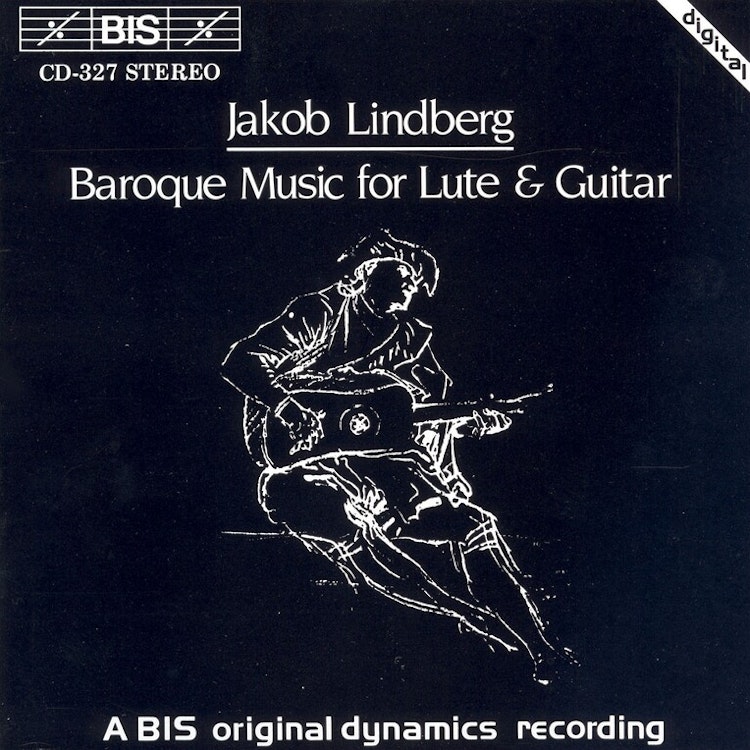
Lindberg, Jakob: Baroque Music for Lute and Guitar
1/31/1988, 9 Tracks, 1:08:40
Featuring
Jakob Lindberg
David Kellner
Robert de Visée
Johann Sebastian Bach
Anonymous (17th century)
Ludovico Roncalli
Sylvius Leopold Weiss
Did you know?
1/7
Instruments
During the Baroque era, the guitar was a double-strung instrument, with each string or pair of strings called a 'course'.
Composer Biography
Silvius Leopold Weiss spent six years in Italy, meeting composers like Alessandro and Domenico Scarlatti, and later became the highest-paid instrumentalist in the Dresden Hofkapelle.
Instruments
The Baroque lute, tuned in D minor, typically had eleven or thirteen courses, while the Baroque guitar only had five.
Composer Biography
Johann Sebastian Bach, though not a lutenist himself, was drawn to the instrument's sound and helped develop a gut-strung harpsichord called a 'Lautenwerk' to imitate it.
Compositional Technique
Ludovico Roncalli's 'Capricci Armonici' includes a sonata (No. 8) that uses 'campanella', a guitar technique where scale runs are played across several strings, literally meaning 'little bells'.
Composer Biography
Silvius Leopold Weiss, one of the greatest lutenists, was also the most prolific composer in lute history, with nearly 600 solo pieces surviving.
Historical Context
Lute and guitar players in the 17th and 18th centuries were expected to compose and perform their works for the aristocracy, and also to teach their benefactors.
You might also enjoy...
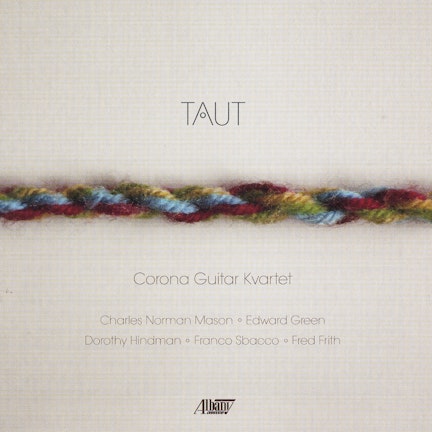
Taut
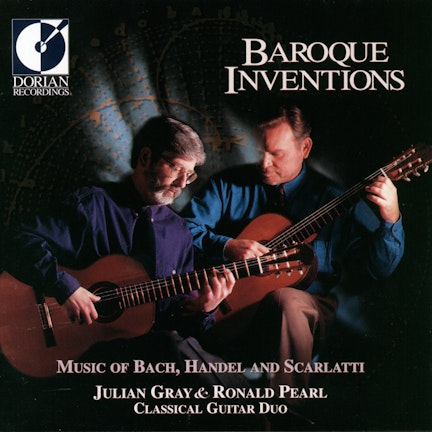
Guitar Duo Recital: Gray, Julian / Pearl, Ronald - Scarlatti, D. / Bach, J.S. / Handel, G.F. (Baroque Inventions)
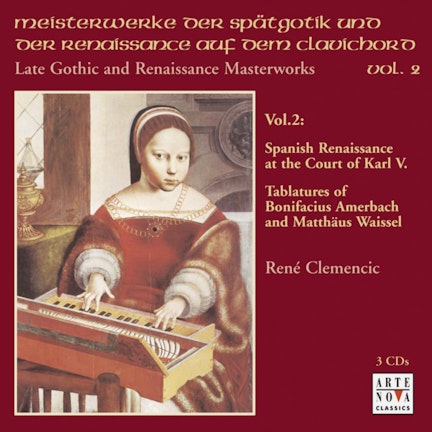
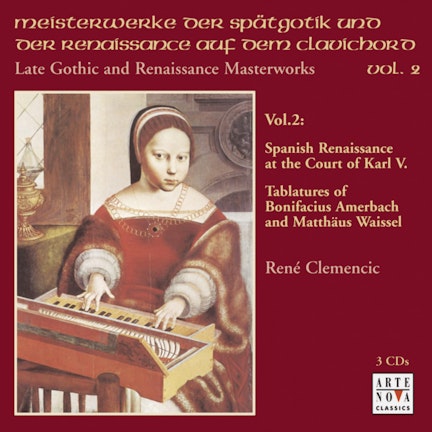
Works For Clavichord Vol. 2
Works For Clavichord Vol. 2
Bizet / Albéniz / Lagoya / Tárrega: Carmen Dances / Asturias / Variations sur "Jeux interdits"
Five Premieres • Chamber Works with Guitar
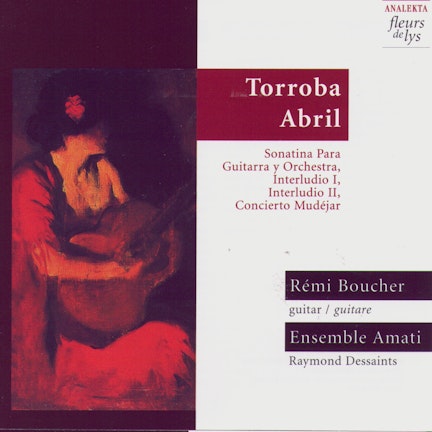
Sonatina Para Guitarra y Orchestra, Interludio I, Interludio II, Concierto Mudéjar
Baroque Music - Handel, G.F. / Corrette, M. / Lalande, M.-R. De / Cruger, J. (Festive Trumpet Concerto, Vol. 4)