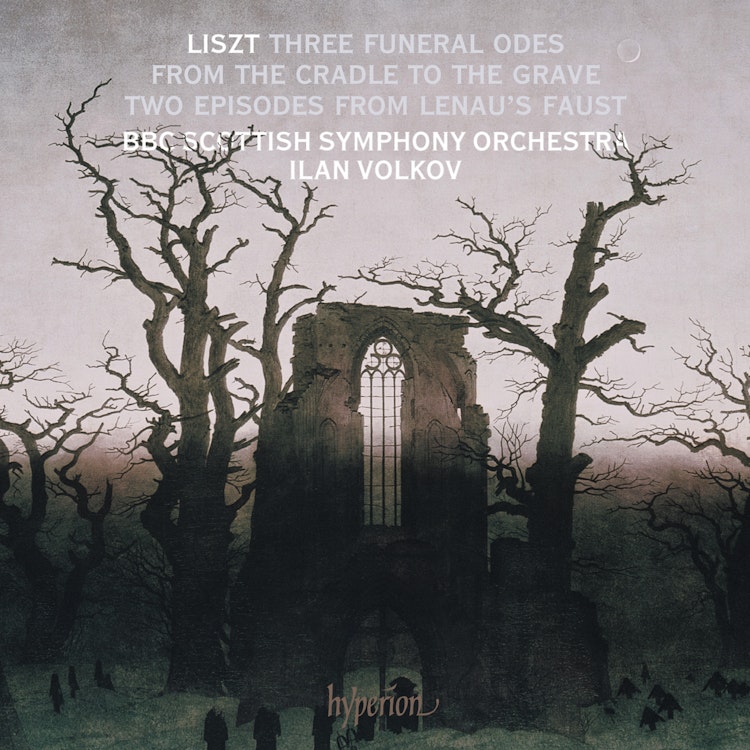
Liszt: 3 Funeral Odes, S. 112; 2 Episodes, S. 110 etc
2/16/2024, 8 Tracks, 1:18:53
Featuring
Ilan Volkov
BBC Scottish Symphony Orchestra
City of Glasgow Chorus
Franz Liszt
Did you know?
1/7
Compositional Technique
Der nächtliche Zug, one of the Two Episodes from Lenau's Faust, features bleak and almost atonal outer sections contrasting with gentle central sections, one of which includes a plainsong hymn.
Composer's Artistic Vision
Liszt's final symphonic poem, From the cradle to the grave, was inspired by a drawing by Hungarian artist Mihály Zichy, but Liszt changed the title to reflect a more philosophical meaning.
Composition History
La notte, another of Liszt's Trois Odes funèbres, was composed after the death of his elder daughter Blandine following childbirth.
Composition History
Liszt's Trois Odes funèbres, composed between 1860 and 1866, exist in various versions for orchestra, piano solo, and piano duet, and sometimes include a chorus or narrator.
Composer's Artistic Vision
Liszt was preoccupied with the Faust legend throughout his life, inspired by Gérard de Nerval's French translation of Goethe's Faust.
Performer Biography
Ilan Volkov, the conductor on this album, was Chief Conductor of the BBC Scottish Symphony Orchestra from 2003 to 2009 and is a frequent guest conductor with orchestras worldwide.
Composition History
The first of Liszt's Trois Odes funèbres, Les morts, was prompted by the death of his only son Daniel at age twenty.
You might also enjoy...
Rachmaninov: Symphonic Dances
Liadov: Baba Yaga / Enchanted Lake / Kikimora
Liadov: Baba Yaga / Enchanted Lake / Kikimora
Liadov: Baba Yaga / Enchanted Lake / Kikimora
Wellington's Victory, Op. 91 - Liszt: Battle of the Huns, S. 105 & Hungarian March to the Assault, S. 119
Tchaikovsky: Italian Capriccio - Serenade for Strings - Romeo and Juliet
Liadov: The Enchanted Lake; 8 Russian Folk Songs; Kikimora
Ports of Call
Aux étoiles - French Symphonic Poems
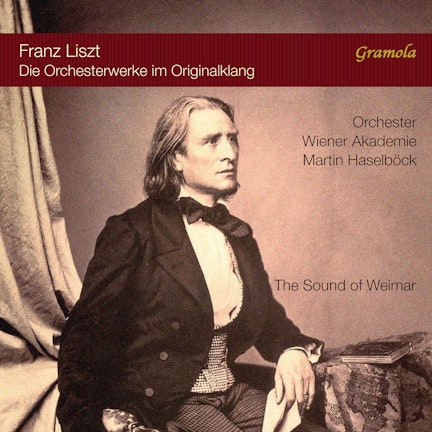
Liszt: The Sound of Weimar – Die Orchesterwerke im Originalklang
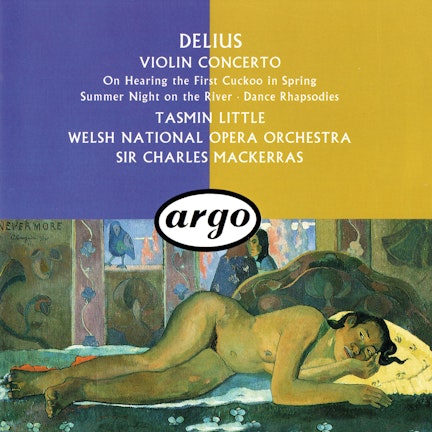
Delius: Violin Concerto; Dance Rhapsodies Nos. 1 & 2; Summer Night On The River etc
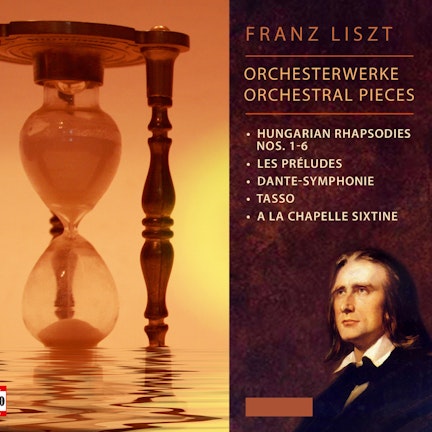
Liszt: Orchestral Pieces
Lutoslawski: Concerto For Symphony Orchestra, Schönberg: "Pelleas and Melisande"