Liszt revised parts of the first two suites in the 1850s while serving as Chapel Master in Weimar, making them more orchestral and harmonically audacious.
Compositional Technique
In the First Year, Liszt uses specific key symbolism: C major represents the human being, and B major symbolizes resurrection, salvation, and heaven.
Composer Biography
Liszt's 'Années de pèlerinage' (Years of Pilgrimage) is the longest cycle of works for solo piano he ever wrote.
Composer's Artistic Vision
The Third Year of 'Années de pèlerinage' was written much later, between 1867 and 1877, and features a language that anticipates Impressionism and Expressionism, making it very advanced for its time.
Compositional Technique
The piece 'Au bord d'une source' (Beside a Spring) is often considered the first Impressionist musical work ever written, influencing a young Debussy.
Interpretation
Miriam Gómez-Morán, the pianist on this recording, incorporates Liszt's own performance practices, such as repeating sections or notes, based on her doctoral research into his teaching and playing.
Composition History
The first two suites of 'Années de pèlerinage' were conceived between 1835 and 1840 while Liszt was traveling through Switzerland and Italy with his lover, Marie d'Agoult.
You might also enjoy...
Jerome Lowenthal: Music of Franz Liszt
Liszt: Dante Sonata. Après une lecture de Dante
Russian Piano School: Nikolai Petrov
Beethoven: Symphony No. 9 (Piano Transcription by Franz Liszt, S. 464/9)
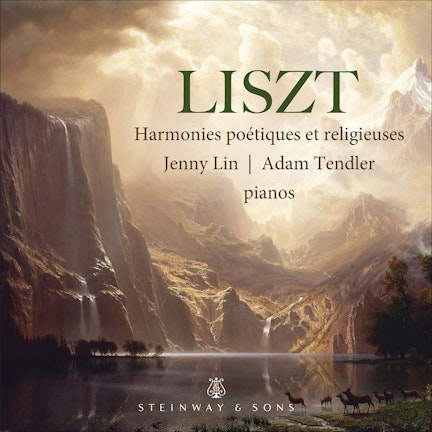
Liszt: Harmonies poétiques et religieuses III, S. 173
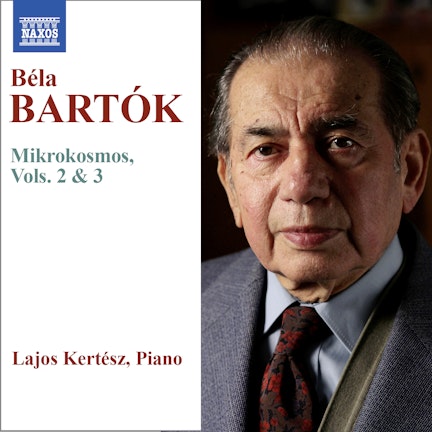
Bartók: Mikrokosmos, Vols. 2 & 3
Liszt: Années de pèlerinage, Deuxième Année, Italie, S. 161: No. 7, Après une lecture du Dante (Fantasia quasi Sonata) [Radio Edit]