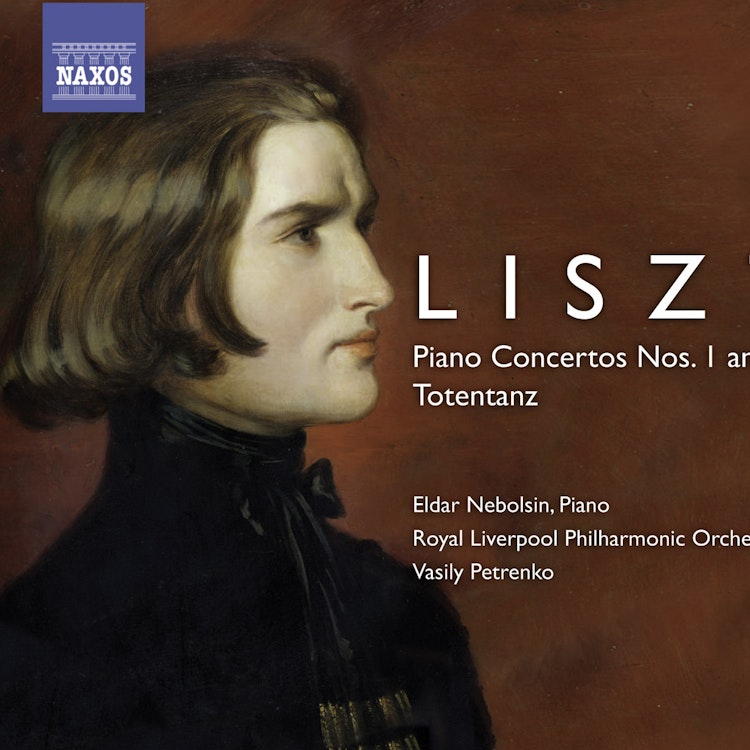
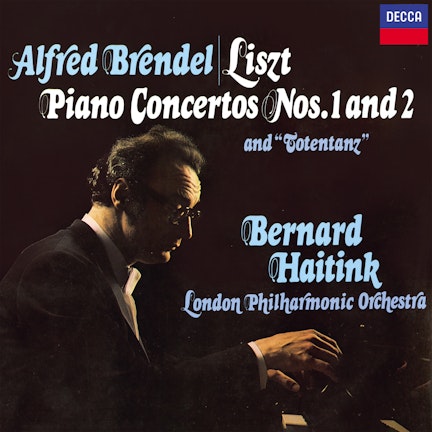
Liszt, F.: Piano Concertos Nos. 1 and 2 / Totentanz
5/18/2009, 9 Tracks, 54:13
Featuring
Vasily Petrenko
Eldar Nebolsin
Royal Liverpool Philharmonic Orchestra
Franz Liszt
Did you know?
1/7
Compositional Technique
Liszt's Piano Concerto No. 2 is structurally novel, written in one continuous movement.
Composer Biography
Liszt's technical brilliance as a pianist was inspired by hearing the 'demon violinist' Paganini.
Composer Biography
Franz Liszt, born in Hungary in 1811, was the son of a steward for the Esterházy Princes, who were also patrons of Haydn.
Critical Reception
Liszt's Piano Concerto No. 1 caused a scandal due to its inclusion of a triangle in the Scherzo, leading critic Hanslick to call it a 'triangle concerto'.
Composition History
Liszt's Piano Concerto No. 1, sketched in 1832, was orchestrated with the help of young composer Joachim Raff and premiered in 1855 with Berlioz conducting.
Performer Biography
Eldar Nebolsin, the pianist on this recording, launched his international career by winning the Eleventh Santander International Piano Competition in 1992.
Composition History
The source of Liszt's 'Totentanz' (Dance of Death), a paraphrase of the Dies irae from the Requiem Mass, was pictorial, possibly inspired by a fresco in Pisa or Holbein's wood engravings.
You might also enjoy...
Liszt: Piano Concertos Nos. 1 & 2
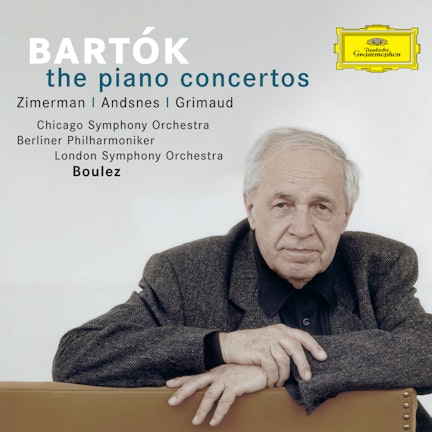
Bartók: The Piano Concertos
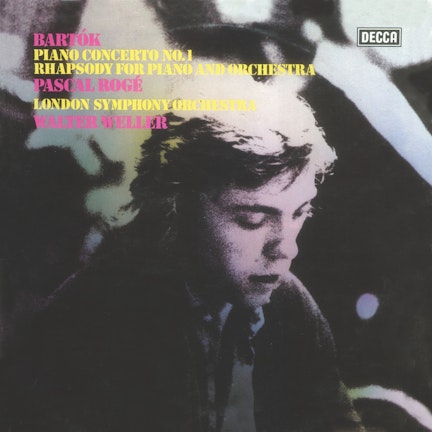
Bartók : Piano Concertos Nos 1 - 3
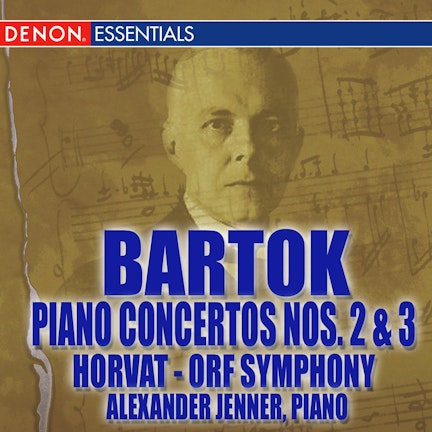
Bartok: Piano Concertos Nos. 2 & 3
Bartók: Piano Concertos Nos. 1-3
Bartók: The Piano Concertos
Liszt: Piano Concertos Nos. 1 & 2; Totentanz
Bartók: The 3 Piano Concertos
Dohnányi: Piano Concertos Nos. 1 & 2
Liszt: Piano Concerto Nos.1 & 2/Fantasia on Hungarian Folk Themes etc.
Liszt: Piano Concero Nos 1 & 2 + Hungarian Fantasie