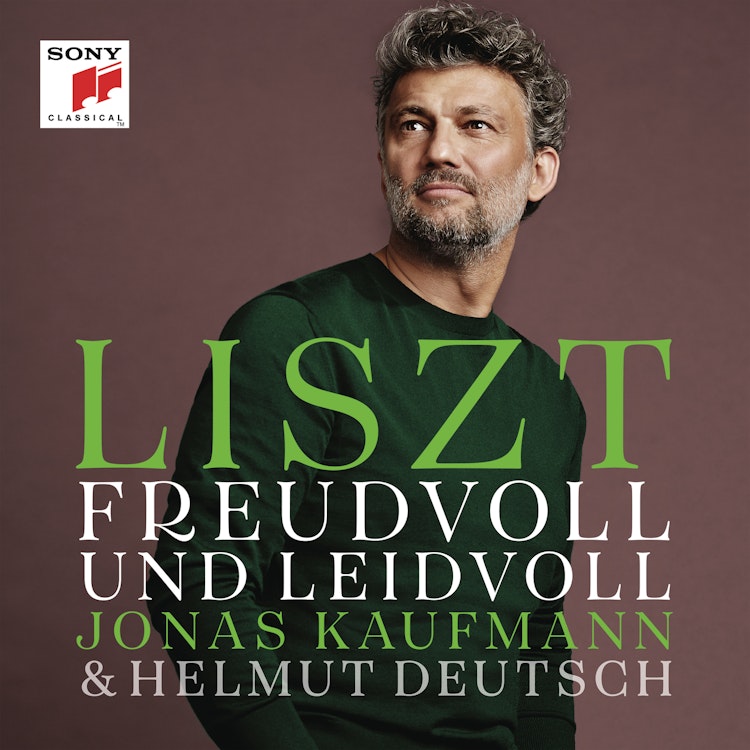
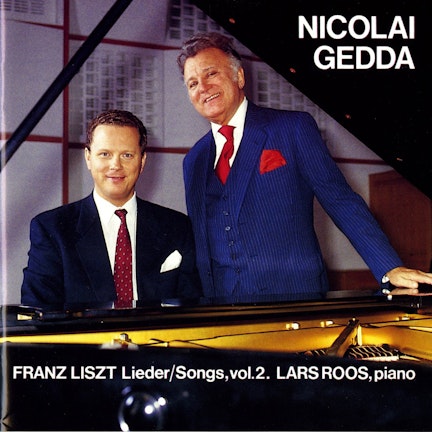
Franz Liszt, the composer, was considered the greatest and most successful pianist of his time, and perhaps of the entire 19th century.
Compositional Technique
Liszt's songs often point towards the future, showing stylistic variety that rarely aligns with his contemporaries like Schumann or Brahms, but rather with later composers such as Richard Strauss, Hugo Wolf, or Gustav Mahler.
Composition History
Liszt composed the majority of his approximately 90 songs during his brilliant virtuoso years (1840-1847).
Composer's Artistic Vision
Béla Bartók believed that Liszt's importance for the development of music was greater than Wagner's, and that works by Richard Strauss, Debussy, and Ravel would be unimaginable without Liszt's example.
Composition History
Liszt himself described the period from 1869 until his death in 1886 as his 'vie trifurquée' (three-forked life), as he divided his time between Rome, Budapest, and Weimar.
Cultural Impact
Some of Liszt's best songs, such as the Tre sonetti di Petrarca and 'O lieb, solang du lieben kannst', have been largely forgotten because his own popular piano arrangements, like the world-famous Liebestraum No. 3, overshadowed the originals.
Critical Reception
As a composer, Liszt was controversial throughout his life and remains so to some extent today; Johannes Brahms, for example, dismissed his Dante Symphony as 'Unmusik, die auf den Misthaufen gehöre' (un-music that belongs on the rubbish heap).