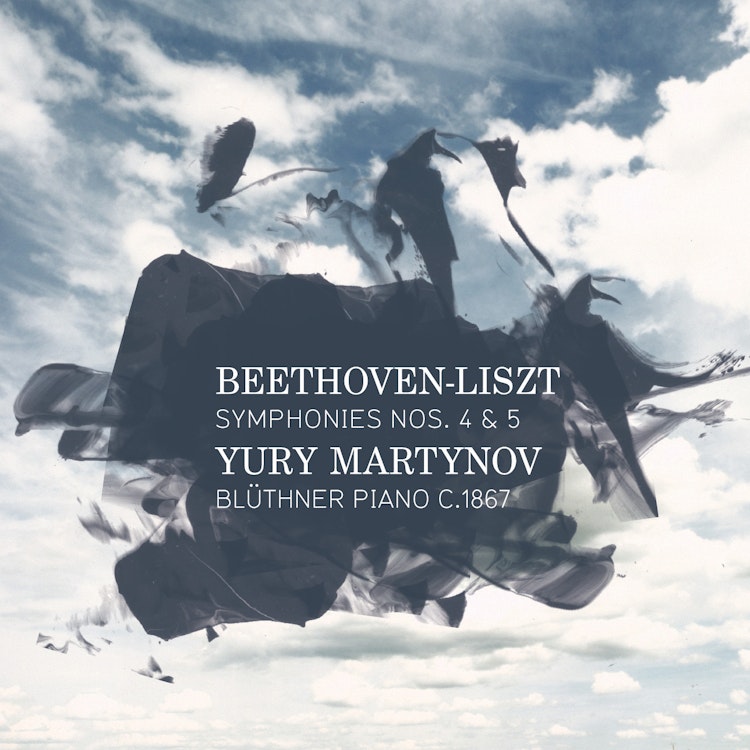
This album was recorded from September 29 to October 3, 2014, in the Doopsgezinde Gemeente Church in Haarlem, Netherlands.
Instruments
The recording features a Blüthner piano from around 1867, which was found in poor condition and underwent over 1000 hours of restoration.
Compositional Technique
Liszt's piano transcriptions of Beethoven's symphonies are characterized by octave textures, enriched octaves with internal doublings, and ambidexterity, which contribute to an 'orchestral' piano sound.
Instruments
The Blüthner piano company, founded in 1853 alongside Bechstein and Steinway, still exists today and is owned by the descendants of its founder, Julius Blüthner.
Composer's Artistic Vision
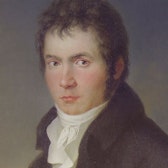
Franz Liszt, the transcriber of these symphonies, aimed to be a "conscientious translator" who grasped the spirit of a work to propagate knowledge of the masters and appreciation of beauty.
Composition History
Beethoven's Fourth Symphony was originally intended for Count Franz von Oppersdorff, but due to necessity, Beethoven dedicated it to him instead of the Fifth Symphony.
Composition History
Liszt's project to transcribe all nine Beethoven symphonies for piano began in 1835-37, inspired by his earlier transcription of Berlioz's Symphonie fantastique.
You might also enjoy...
Beethoven: Symhonies Nos. 1 & 2 (Transcriptions for Piano Solo by Franz Liszt)
Beethoven: Symhony No. 3 (Transcriptions for Piano Solo by Franz Liszt)
Beethoven: Symhonies Nos. 4 & 5 (Transcriptions for Piano Solo by Franz Liszt)
Beethoven, L. Van: Symphonies (Arr. F. Liszt for Piano), Vol. 4 (Biret) - No. 3, "Eroica"
Beethoven, L. Van: Symphonies (Arr. F. Liszt for Piano), Vol. 2 (Biret) - Nos. 4, 5
Liszt-Beethoven Complete Symphonies Vol. 3
Liszt: Beethoven Symphonies Nos. 1 and 3 (Transcriptions)
Beethoven: Reflections
Beethoven: Complete Symphonies transcribed for the piano by Franz Liszt
Wings of the Grasshopper Sound Louder in Darkness
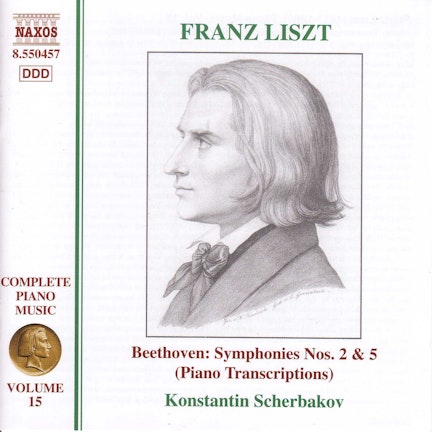
Liszt: Beethoven Symphonies Nos. 2 and 5 (Transcriptions)
Beethoven, L. Van: Symphonies (Arr. F. Liszt for Piano), Vol. 1 (Biret) - Nos. 1, 2
Glass: Études
Impressions of China: Winning Works from the 2018 Huang Zi International Chinese Piano Composition Competition