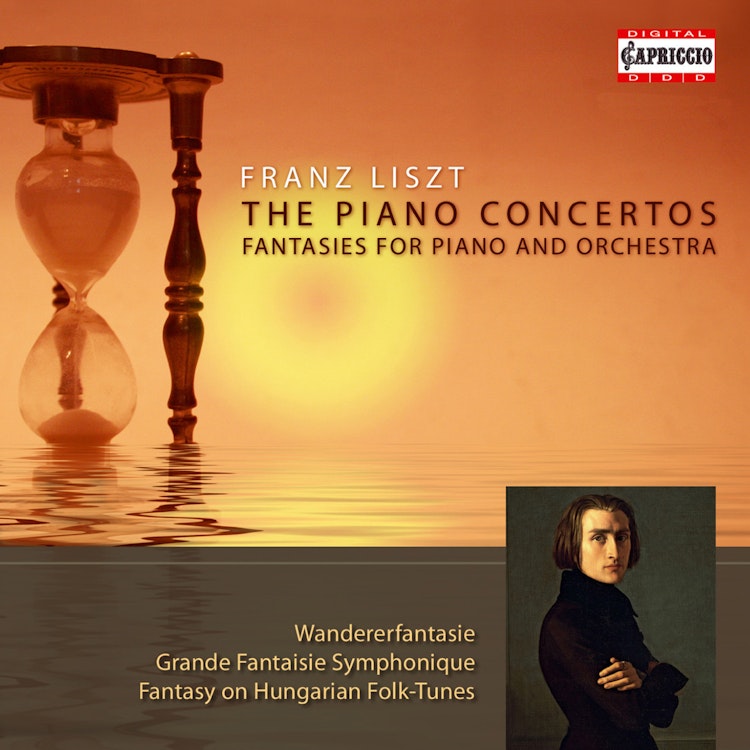
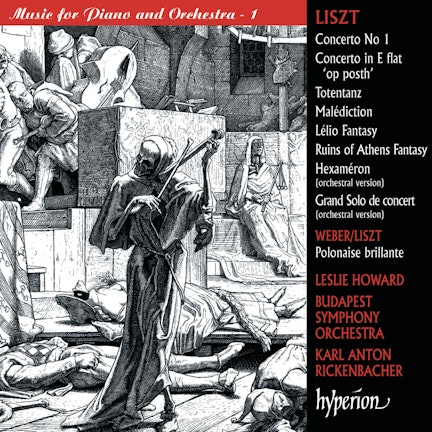
Liszt: The Piano Concertos - Fantasies for Piano and Orchestra
9/1/2011, 18 Tracks, 2:46:39
Featuring
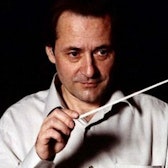
András Ligeti
Jenő Jandó
Budapest Symphony Orchestra
Franz Liszt
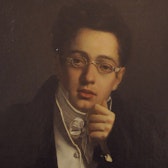
Franz Schubert
Did you know?
1/7
Composer Biography
Franz Liszt moved to Weimar in 1842 with ambitious plans to transform the city of Goethe and Schiller into a significant musical center.
Composer's Artistic Vision
Liszt's "Grande fantaisie symphonique" is an early exploration of Hector Berlioz's technique of "literarisation of music," based on themes from Berlioz's "Mélologue Lélio ou Le retour á la vie."
Composer's Artistic Vision
Liszt's time in Weimar marked a crucial shift in his compositional approach, moving his focus from the piano to orchestral writing.
Historical Context
Weimar, under Liszt's influence, became the birthplace of the "New German School," where works by Liszt, Wagner, and Berlioz were premiered.
Critical Reception
Arnold Schönberg and Béla Bartók both believed that Liszt's compositional achievements were more impactful and far-reaching than Richard Wagner's musical dramas.
Compositional Technique
Liszt's piano concertos combine the revolutionary piano techniques he developed as a virtuoso with orchestral writing inspired by poetic ideas.
Compositional Technique
The "Fantasy on Hungarian Folk Themes" uses themes that were mistakenly believed to be Hungarian folk music in the 19th century, but are actually from Gypsy music.
You might also enjoy...
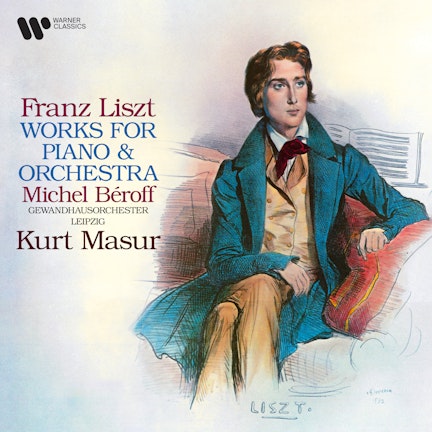
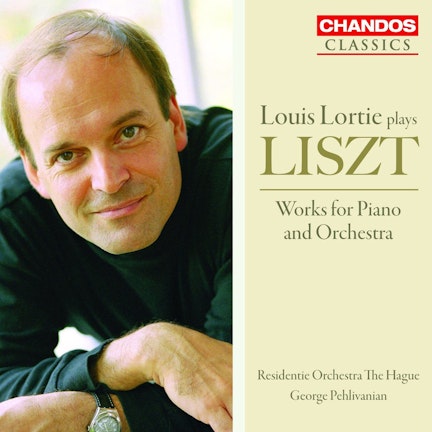
Liszt: Works for Piano and Orchestra
Liszt: Piano Concertos Nos. 1-3 / Grande Fantaisie Symphonique On Themes From Berlioz's Lelio / De Profundis / Schubert - Wanderer Fantasy
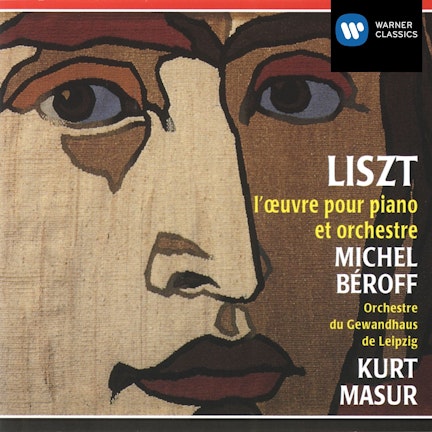
Liszt - Works for Piano & Orchestra
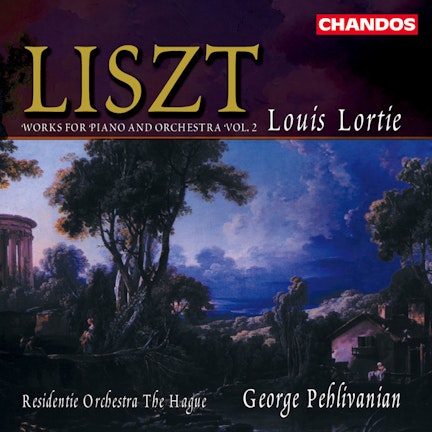
Liszt: Works for Piano & Orchestra, Vol. 2
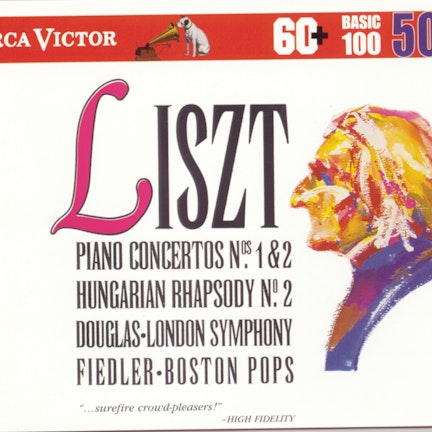
Liszt: Piano Concertos Nos. 1 & 2, Hungarian Rhapsody No.2
Liszt: Piano Concertos
Bartók: Piano Concertos Nos.1 & 2; Two Portraits Op.5
Bartók: Piano Concertos Nos.1 & 2; Two Portraits
Bartok, B.: Piano Concertos Nos. 1 and 2 / The Miraculous Mandarin Suite
Liszt: Complete Piano Music 53 – Music for Piano & Orchestra I
Liszt: Piano Concertos Nos. 1 & 2 etc.
Rachmaninov: Rhapsody on a Theme of Paganini - Liszt: Piano Concertos Nos. 1 & 2