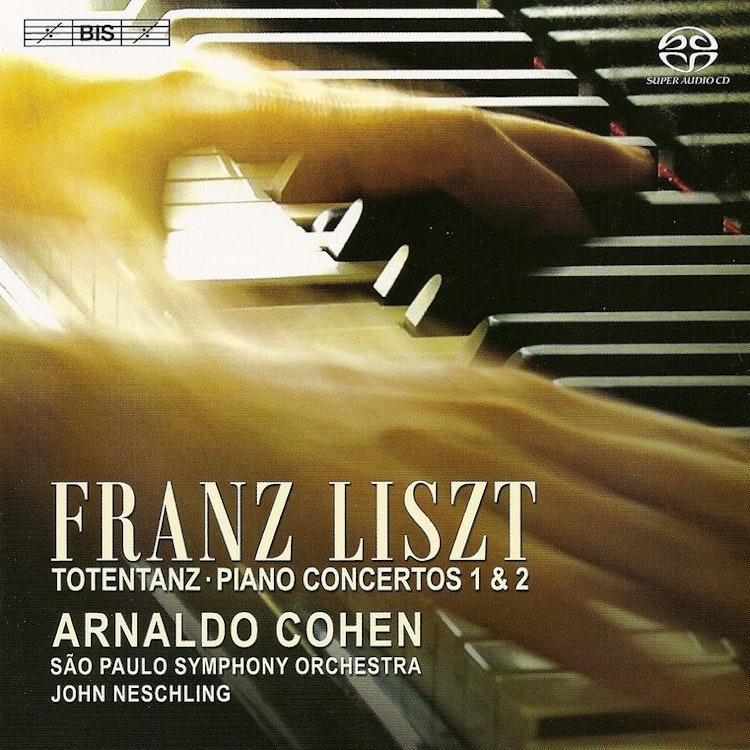
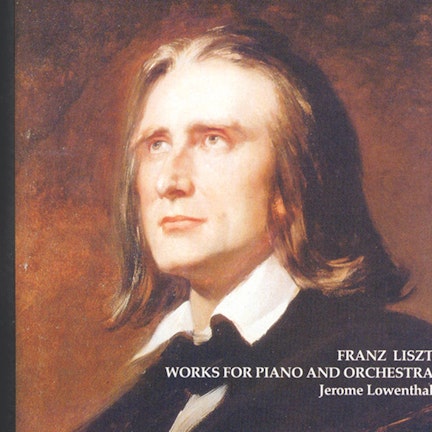
Liszt gave up his virtuoso career in 1848 to settle in Weimar as Kapellmeister, aiming to transform the town into a musical center and contributing to the development of the symphonic poem.
Performer Biography
John Neschling, the conductor for this recording, is a grand-nephew of both composer Arnold Schoenberg and conductor Arthur Bodanzky, and has won international conducting competitions including those of Florence, the London Symphony Orchestra, and La Scala.
Cultural Impact
Liszt was the inventor of the modern piano recital, performing full-length solo concerts of his own music, works by contemporaries, and Beethoven sonatas.
Composer's Artistic Vision
Liszt sought 'a rejuvenation of music by means of a more intimate alliance with poetry,' which led him to develop the symphonic poem, a free-form work inspired by extra-musical poetic or descriptive ideas.
Composer Biography
Franz Liszt, though Hungarian, was a cosmopolitan artist equally at home in Paris, Budapest, Weimar, and Rome, and took minor religious orders.
Historical Context
The intense public adoration for Liszt, dubbed 'Lisztomania' by writer Heinrich Heine, included fans collecting locks of hair and cigar butts, predating similar phenomena for pop stars like Elvis Presley and The Beatles.
Performer Biography
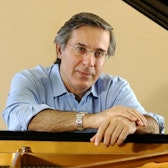
Arnaldo Cohen, the Brazilian-born pianist on this recording, began his musical studies at age five and also worked as a professional violinist in the Rio de Janeiro Opera House Orchestra while studying engineering.
You might also enjoy...
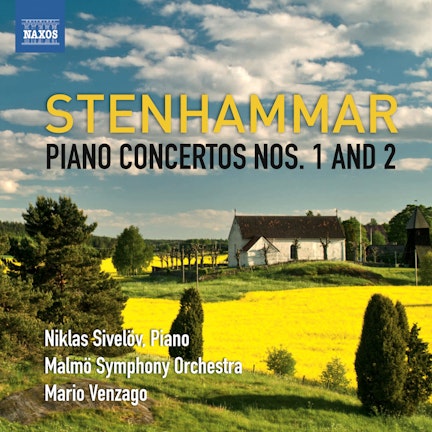
Stenhammar: Piano Concertos Nos. 1 & 2
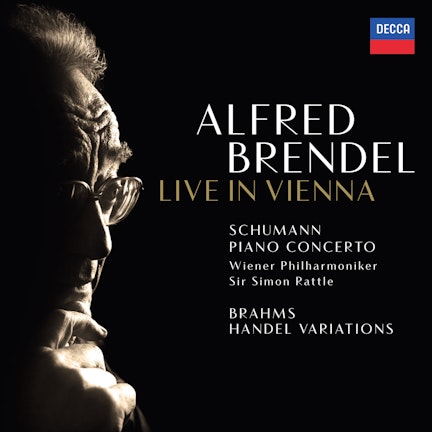
Schumann: Piano Concerto in A Minor, Op.54: 2 - Intermezzo (Andantino grazioso)
Grieg: Piano Concerto in A Minor, Op. 16: II. Adagio
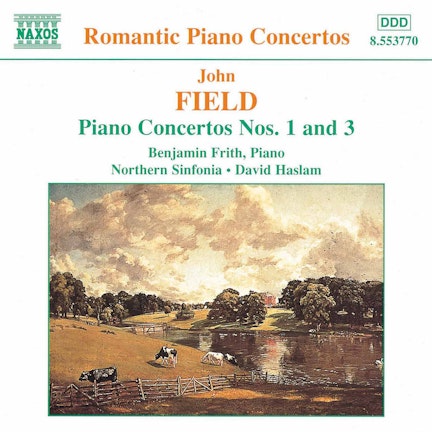
FIELD: Piano Concertos Nos. 1 and 3
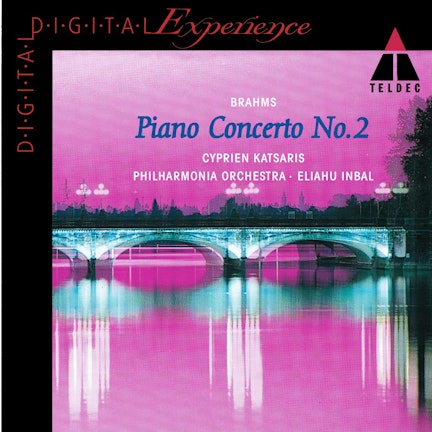
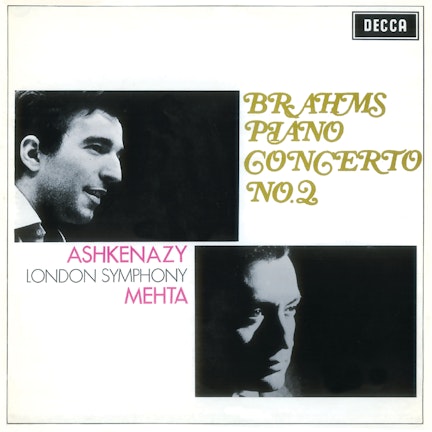
Brahms : Piano Concerto No.2
Franck: Symphonic Variations / Piano Concerto No. 2
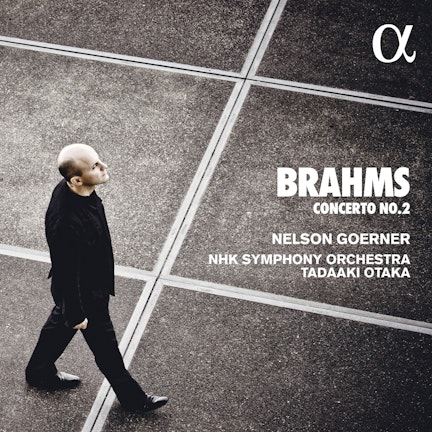
Brahms: Piano Concerto No. 2 in B-Flat Major, Op. 83
Brahms: Piano Concerto No. 1 in D Minor, Op. 15: 2. Adagio
Liszt, F.: Piano Concertos Nos. 1 and 2 / Totentanz
Brahms Piano Concertos
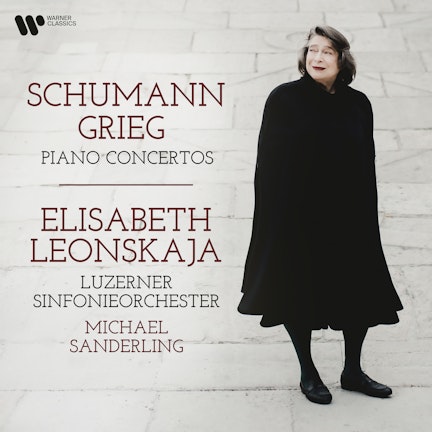
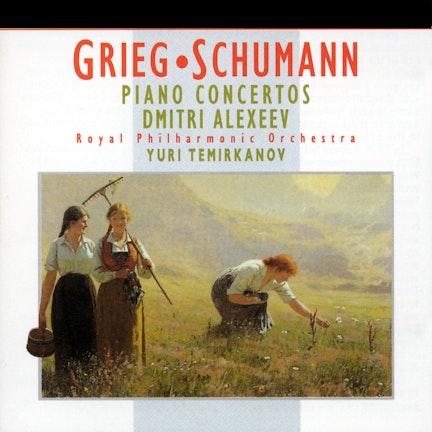
Schumann: Piano Concerto in A Minor, Op. 54 & Grieg: Piano Concerto in A Minor, Op. 16 - Sony Classical Masters