The 17th century was a unique period where bittersweet emotions, particularly lovesickness, were embraced as fuel for artistic expression.
Compositional Technique
The album reveals that the songs of Purcell, Blow, Dowland, and Lawes beautifully blend with traditional folk ballads from Scotland, Ireland, and England, suggesting a clear link between them.
Historical Context
Lovesickness was considered a legitimate medical illness in the 17th century, with books like Jacques Ferrand's A Treatise on Lovesickness (1610) and Richard Burton's The Anatomy of Melancholy (1621) dedicated to it.
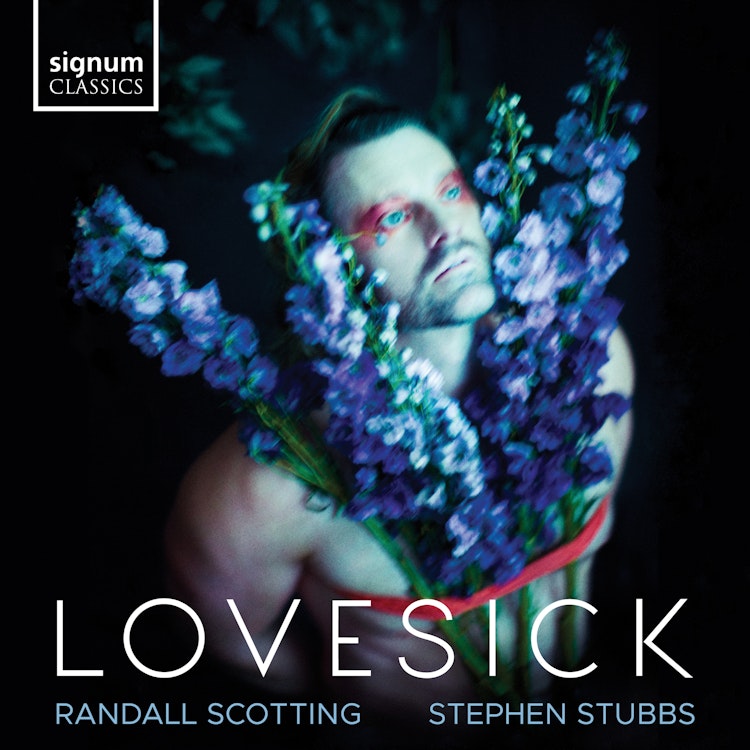
Album & Artwork
The album title, "amantes amentes," is an ancient Latin proverb meaning "lovers are not right in the head."
Performer Biography
Stephen Stubbs, the lutenist and guest conductor on this album, won a Grammy award in 2015 for Best Opera Recording and is the founding artistic director of Pacific MusicWorks.
Interpretation
This album takes a fresh approach to lute song repertoire, aiming to embody the music's sincerity with immediacy and pulsating sentiment, rather than sterile or vocally slight interpretations.
Performer Biography
Randall Scotting, the countertenor on this album, made his Royal Opera House debut in 2019 as Apollo in Britten's Death in Venice and immediately joined the roster of the Metropolitan Opera.
You might also enjoy...
Luciano Pavarotti - Live Recital (40th Anniversary)