Madetoja's Second Symphony is considered the most significant musical document of the Finnish Civil War, deeply scarred by the experience, including the death of his brother and close colleague.
Album & Artwork
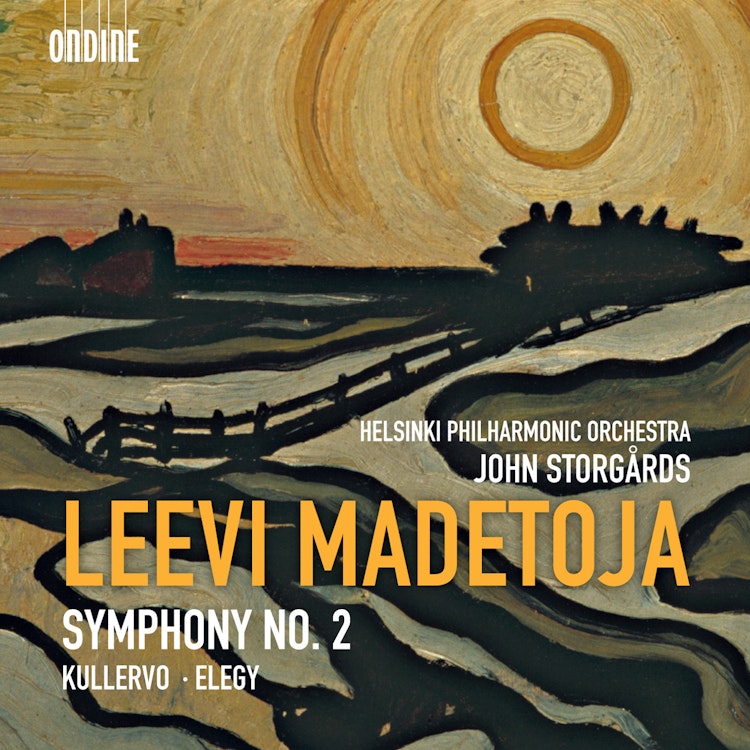
The album cover features the painting "Auringonlasku (Sunset, 1930)" by Vilho Lampi, from the Liminka Landscapes series, housed at the Oulu Museum of Arts.
Recording & Production
This album was recorded at the Helsinki Music Centre in May 2012 as a 24-bit recording in DXD (Digital eXtreme Definition).
Performer Biography
John Storgårds, the conductor on this album, has a dual career as both a conductor and a violin virtuoso, and is known for his creative programming and commitment to contemporary music.
Compositional Technique
In the second movement of the Second Symphony, Madetoja introduces a spatial element with an oboe and horn playing offstage, a Finnish variation of a Mahlerian nature idyll.
Composition History
Madetoja's Second Symphony, which firmly established him at the forefront of Finnish music, was completed in late 1918, coinciding with the Finnish Civil War.
Composer Biography
Leevi Madetoja, the composer, successfully created an independent compositional profile in Finland despite working at the same time as the highly influential Jean Sibelius.
You might also enjoy...
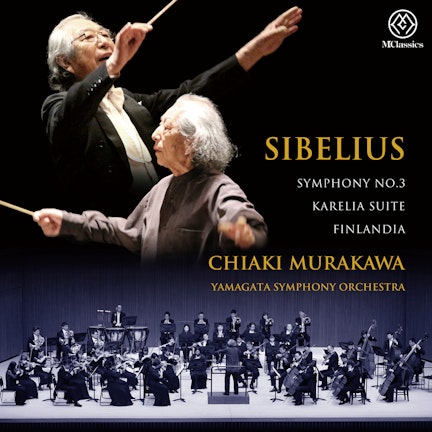
Sibelius: Symphony No. 3 in C major Op. 52 - Karelia Suite Op. 11 - Finlandia Op. 26
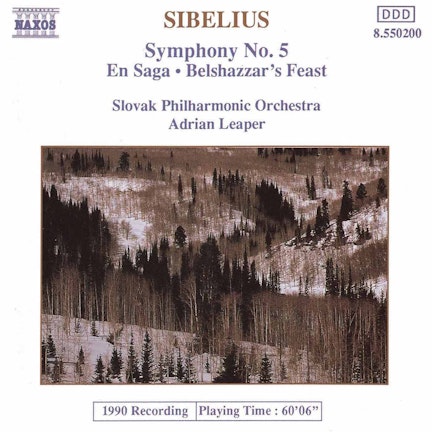
SIBELIUS: Symphony No. 5
Sibelius: Orchestral Works
Jukka-Pekka Saraste Conducts Sibelius
Greatest Hits: Sibelius
Sibelius: Symphony No. 3; Finlandia; Karelia Suite; Swan of Tuonela
Eugene Ormandy Conducts Sibelius
Colin Davis conducts Sibelius
Sibelius: Symphony No. 2 in D Major, Op. 43, Finlandia, Op. 26 & Karelia Suite, Op. 11 (Live)