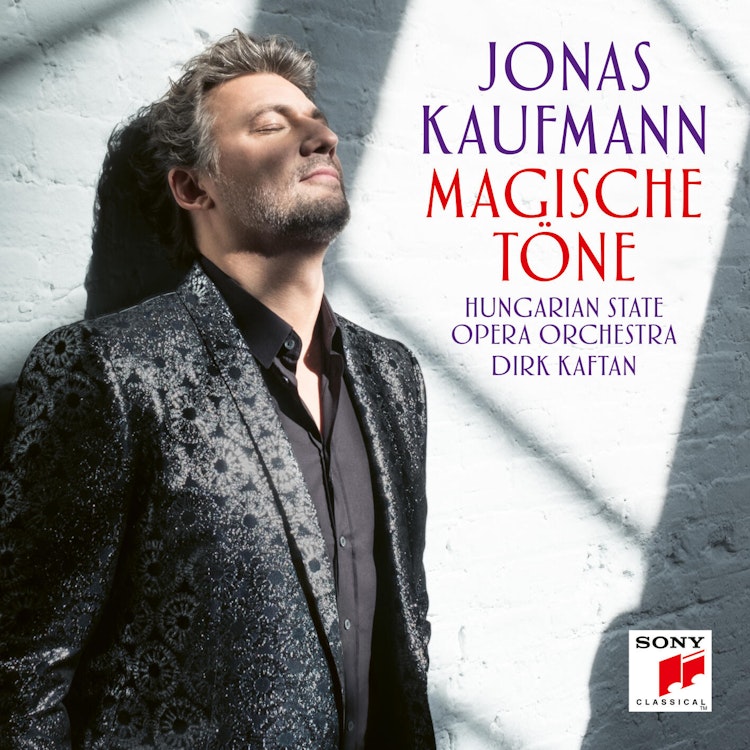
Almost all pieces on this album represent the musical tradition of the Austro-Hungarian Empire (1867-1918), a rich chapter of European cultural history.
Cultural Impact
The works of Hungarian composers Franz (Ferenc) Lehár and Emmerich (Imre) Kálmán achieved international success because they were written in German and for Vienna.
Recording & Production
The album's title, Magische Töne (Magical Sounds), is associated with legendary tenor recordings, including an early 1905 recording of an aria from Die Königin von Saba by Leo Slezak.
Composer's Artistic Vision
Jonas Kaufmann, the performer on this album, finds it particularly enticing when a singer can produce delicate, intimate piano notes in a high register.
Performer Biography
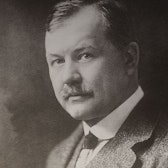
Leo Slezak, a tenor famous for roles like Otello, Canio, and Tannhäuser, contributed the 'magical sounds' to 44 performances of Die Königin von Saba between 1904 and 1928.
Notable Performances
Die Königin von Saba (The Queen of Sheba) had 265 performances at the Vienna State Opera between its 1875 premiere and 1937.
Critical Reception
Karl (Károly) Goldmark's opera, Die Königin von Saba (The Queen of Sheba), was internationally successful before World War II but has rarely been performed since the 1950s.