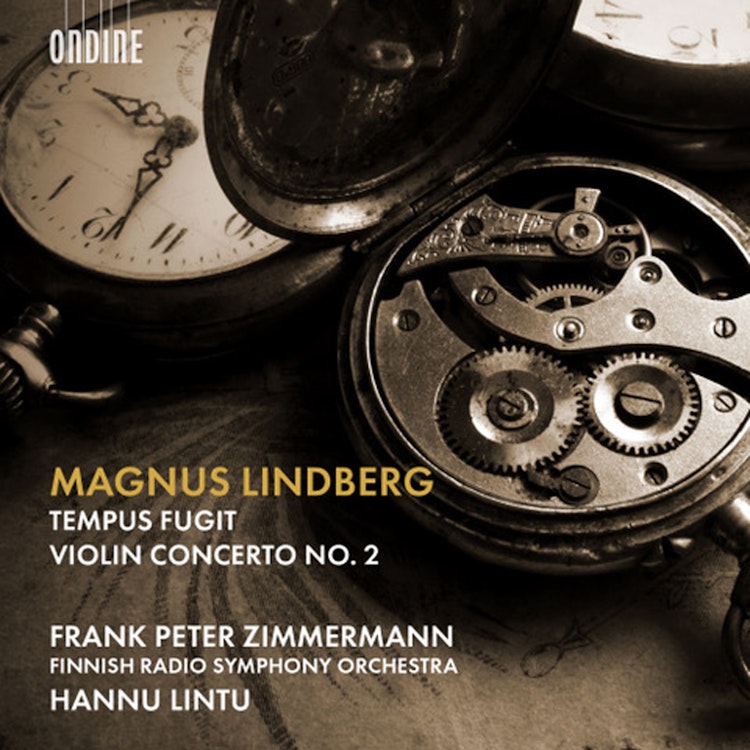
Magnus Lindberg: Tempus fugit & Violin Concerto No. 2
9/14/2018, 8 Tracks, 58:19
Quarterly Critics' Choice 1.2019 - German Record Critics' Award. Magnus Lindberg's music is highly complex; in larger works, his elegant orchestration also fascinates. In the five-movement "Tempus Fugit", Hannu Lintu and the fine soloists of his orchestra brilliantly capture the work's frequent and rapid changes of character. As soloist and dedicatee of the Violin Concerto, even more is required of Frank Peter Zimmermann. In a state of almost perpetual motion, he makes the high registers that circle the melodic line sound effortless, and interacts perfectly with the orchestra. Last but not least, the excellent sound quality of this recording created in the Helsinki Music Center convinces. (For the jury: Lothar Brandt)
Featuring
Hannu Lintu
Frank Peter Zimmermann
Finnish Radio Symphony Orchestra
Magnus Lindberg
Did you know?
1/7
Composition History
The orchestral work Tempus fugit was commissioned by the Finnish Radio Symphony Orchestra for the gala concert celebrating the centenary of Finland's independence in December 2017.
Composer Biography
Magnus Lindberg has written seven concertos, including two for piano, two for cello, two for violin, and one for clarinet.
Composer's Artistic Vision
For his Second Violin Concerto, Magnus Lindberg aimed for a violin line that is 'brilliant yet playable', avoiding the 'impossibly difficult' parts composers sometimes wrote in the 1970s and 80s.
Composer's Artistic Vision
Composer Magnus Lindberg prefers writing concertos for 'great instruments' like piano, violin, and cello, rather than 'exotica such as theremin'.
Compositional Technique
For Tempus fugit, Magnus Lindberg used old computers and the LISP programming language to explore harmonic paths, giving the computer parameters to find optimal chord combinations.
Composition History
Magnus Lindberg's Second Violin Concerto was commissioned by a consortium including the London Philharmonic, Berlin Philharmonic, and New York Philharmonic.
Compositional Technique
Magnus Lindberg's two Violin Concertos are very different; the First was scored for a Classical-era orchestra, while the Second uses a full symphony orchestra.
You might also enjoy...
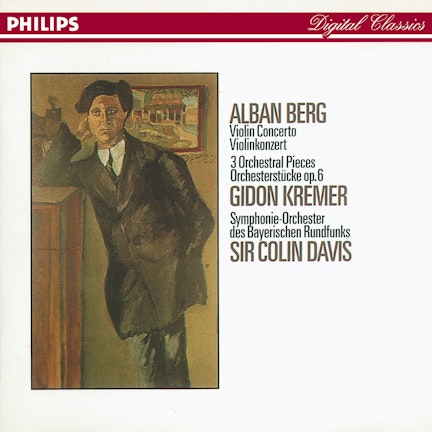
Berg: Violin Concerto & 3 Pieces for Orchestra, Op. 6
Shulamit Ran
Varèse, Lutosławski, Ligeti & Baldini: Orchestral Works (Live)
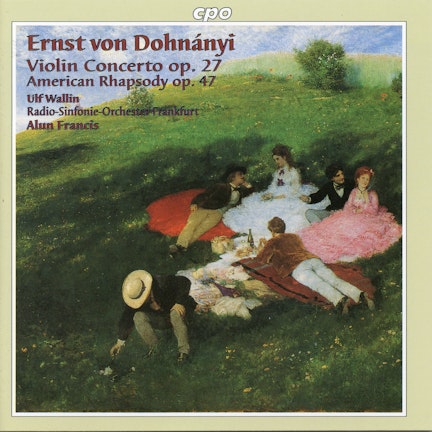
Dohnányi: Violin Concerto No. 1 & American Rhapsody
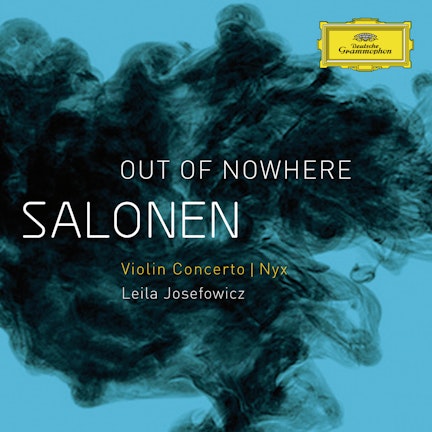
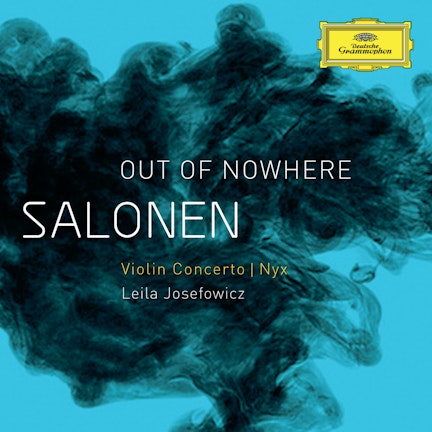
Salonen: "Out Of Nowhere" - Violin Concerto; Nyx
Fagerlund: Darkness in Light
Harty: Violin Concerto in D Minor & Variations on a Dublin Air
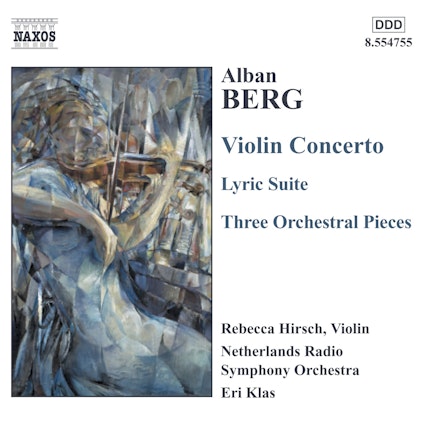
Berg: Violin Concerto; Three Orchestral Pieces
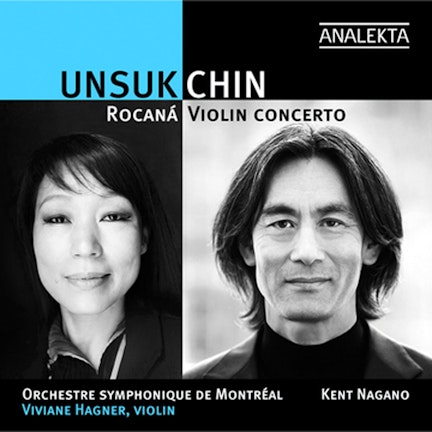
Unsuk Chin - Rocaná, Violin Concerto
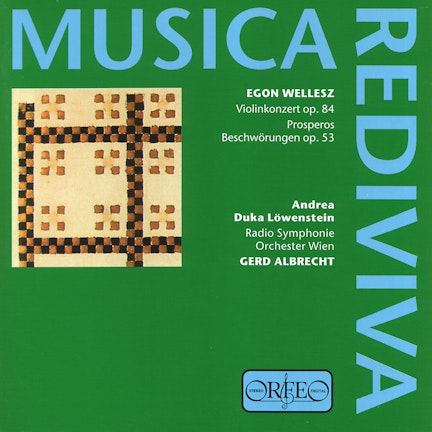
Wellesz: Orchestral Works
Salonen: "Out Of Nowhere" - Violin Concerto; Nyx
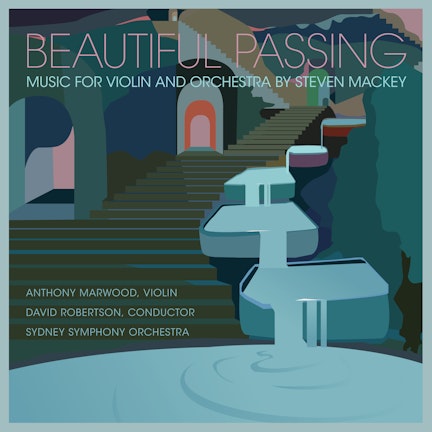
Beautiful Passing, Music for Violin and Orchestra by Steven Mackey
Berg, A.: Violin Concerto / 3 Pieces From the Lyric Suite / 3 Orchestral Pieces
Szymanowski: Violin Concertos Nos. 1 and 2 / Nocturne and Tarantella