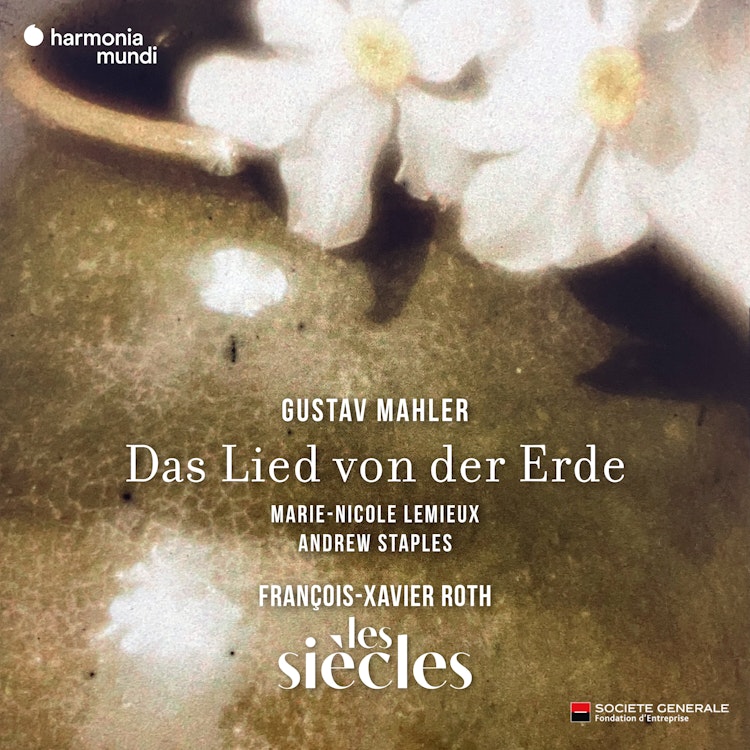
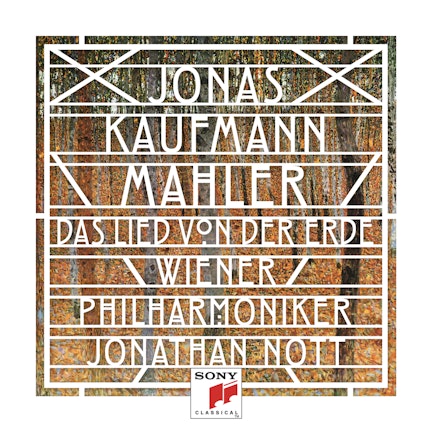
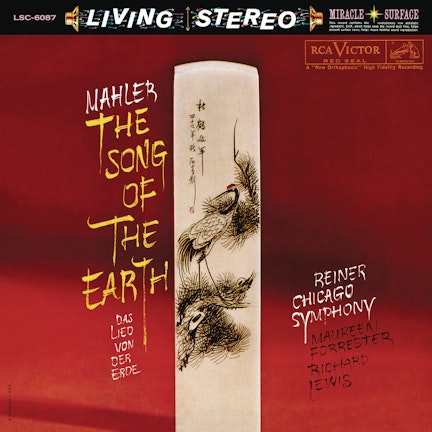
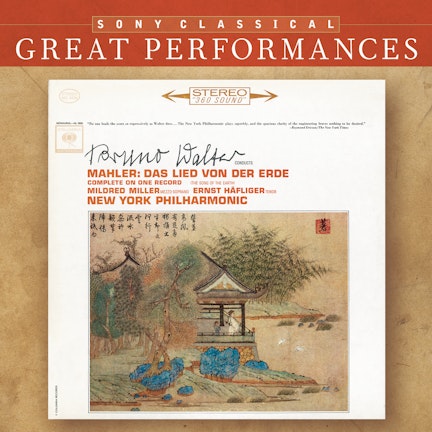
The orchestra Les Siècles performs this work using German and Austrian instruments from around 1900, with gut strings, to recreate the authentic sound texture of the period.
Compositional Technique
Mahler called "Das Lied von der Erde" a 'symphony for tenor, alto (or baryton) and grand orchestre,' despite its structure resembling a cycle of six lieder, and its final song being as long as the first five combined.
Instruments
The recording features a variety of period instruments, including a 1909 Kohlert's Söhne Graslitz flute, a 1860 Hell oboe from Vienna, and a 1896 Heckel bassoon.
Composition History
Mahler's "Das Lied von der Erde" is inspired by a collection of Chinese poems translated and adapted into German by Hans Bethge under the title "Die chinesische Flöte" (The Chinese Flute).
Composer Biography
Gustav Mahler composed "Das Lied von der Erde" (The Song of the Earth) after experiencing significant personal losses and health issues, including the death of his daughter, leaving his post at the Vienna Opera, and learning of his heart condition.
Composer's Artistic Vision
Mahler believed a symphony 'must be like the world: it must contain everything,' which led him to draw inspiration from Chinese poetry for "Das Lied von der Erde" to embrace a universal human experience.
You might also enjoy...
Mahler: Lieder eines fahrenden Gesellen (Recorded 1964)
Mahler: Das Lied von der Erde
Mahler: Das Lied von der Erde
Mahler: Das Lied von der Erde
Mahler: Das Lied von der Erde
Mahler: Das Lied von der Erde
Mahler: Das Lied von der Erde
Mahler: Das Lied von der Erde
Mahler: Das Lied von der Erde [Great Performances]