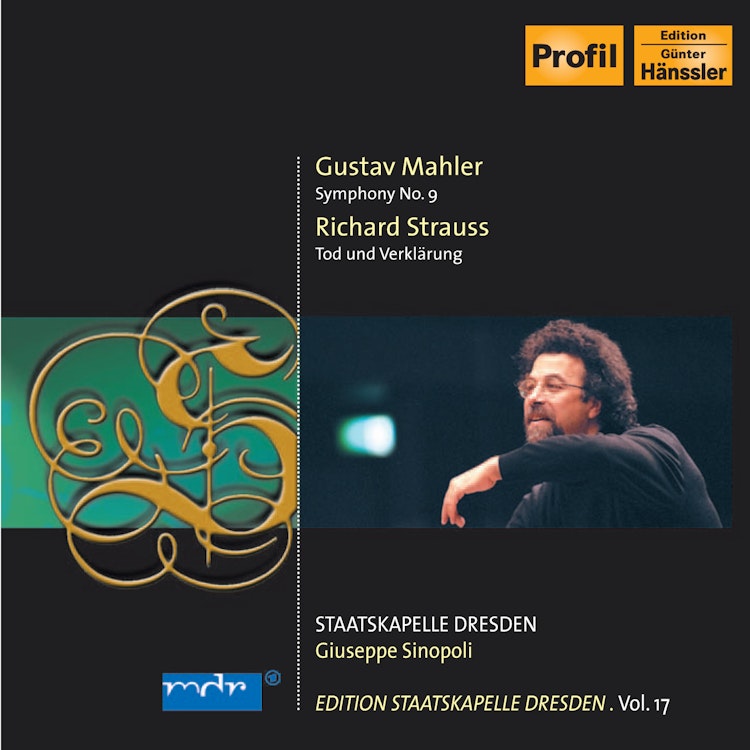
Mahler, G.: Symphony No. 9 / Strauss, R.: Tod Und Verklarung (Staatskapelle Dresden Edition, Vol. 17)
1/1/2007, 5 Tracks, 2:00:23
Featuring
Giuseppe Sinopoli
Sächsische Staatskapelle Dresden
Gustav Mahler
Richard Strauss
Did you know?
1/7
Composer's Artistic Vision
Richard Strauss initially described 'Tod und Verklärung' as a fantasy product, but later acknowledged that his philosophical studies on Swedenborg influenced his belief in a 'transfigured earth' where work continues after death.
Interpretation
Giuseppe Sinopoli believed that the Staatskapelle Dresden's strength in Richard Strauss's works lay in its lightness and transparency, creating an 'art nouveau sound' reminiscent of Gustav Klimt's painting.
Performer Biography
Giuseppe Sinopoli was the Principal Conductor of the Dresden Staatskapelle from 1992 until his sudden death in 2001.
Cultural Impact
Richard Strauss had a close friendship with the Staatskapelle Dresden for over 60 years, dedicating his 'Alpine Symphony' to them and premiering nine of his operas with the orchestra.
Historical Context
The Staatskapelle Dresden, founded in 1548, is one of the oldest orchestras in the world and has performed continuously for over 450 years.
Composition History
Mahler's Symphony No. 9, his last completed symphony, may have been inspired by the death of his daughter Maria Anna in 1907.
Performer Biography
Giuseppe Sinopoli, the conductor on this album, was also a medical doctor and studied archaeology.
You might also enjoy...
Strauss, R.: Also sprach Zarathustra
Schubert: Symphony No. 2 in B-Flat Major, D. 125 - Strauss: Ein Heldenleben, Op. 40, TrV 190 (Live)
Mahler: Symphony No. 6 - Henze: Sebastian im Traum
Mahler: Symphony No. 1 in D Major & Blumine
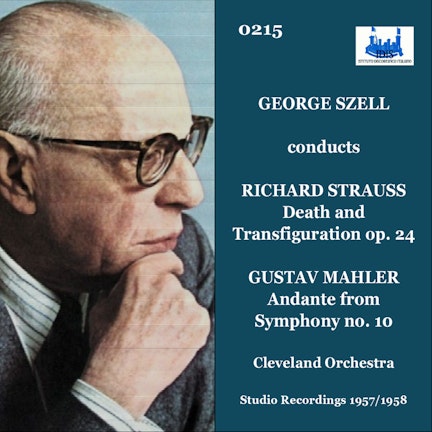
George Szell conducs Richard Strauss & Gustav Mahler
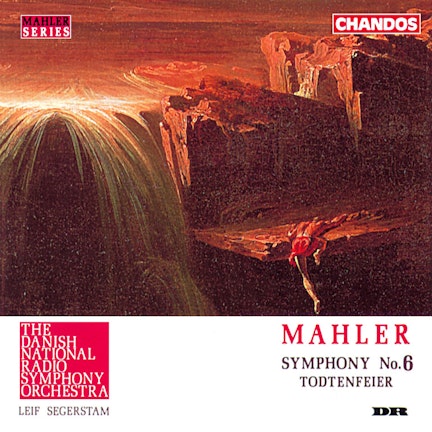
Mahler: Symphony No. 6 & Todtenfeier
Alan Gilbert Conducts Mahler Symphony No. 1
Gustav Mahler: Sinfonie Nr. 1
Mahler: Symphony No. 1 in D Major
Mahler: Symphony No. 1 (with "Blumine")
Mahler, G.: Symphony No. 1, "Titan"
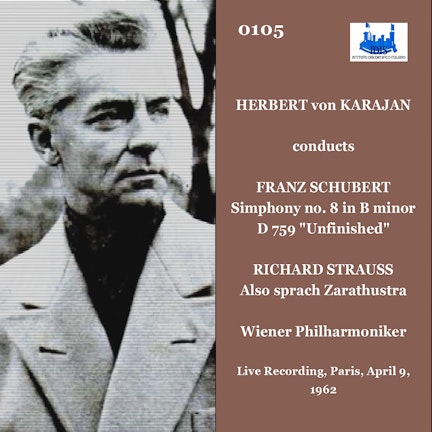
Herbert von Karajan conducts Franz SchubertLive Recording Paris 9 April 1962