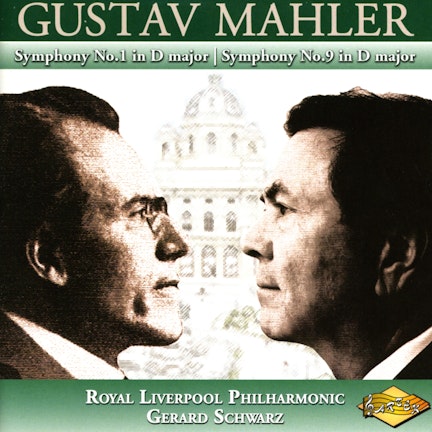
The First Symphony received mixed reactions; critics often praised Mahler as a conductor of others' music, and even Alma Schindler, his future fiancée, found it both compelling and irritating at its 1900 Vienna premiere.
Interpretation
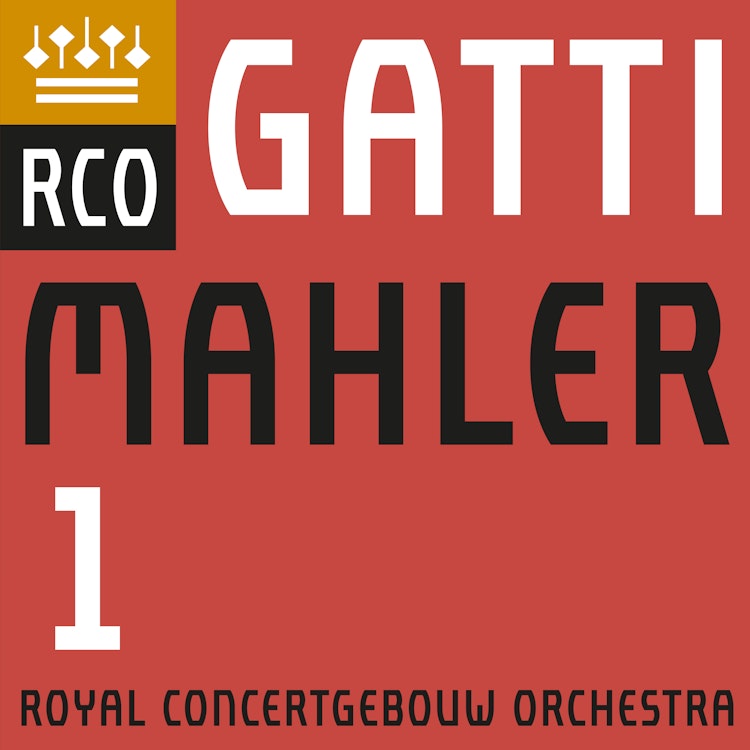
Conductor Daniele Gatti interprets Mahler's 'SOLO' marking for the double basses in the third movement as an instruction for the entire section to play in a soloistic manner, rather than for a single player.
Composition History
Mahler's First Symphony was influenced by two intense, but ultimately unhappy, love affairs with sopranos Johanna Richter and Marion von Weber-Schwabe.
Compositional Technique
Mahler's First Symphony opens with a static, amorphous introduction, 'Wie ein Naturlaut' (like a sound in nature), featuring a whisperingly soft A spread over seven octaves and fanfares played by clarinets in a low register.
Composer's Artistic Vision
Gustav Mahler believed artists derive all basic rhythms and themes from nature, transforming and expanding them based on their relationship with it.
Performer Biography
Daniele Gatti, the conductor on this album, has held prestigious roles including Music Director of the Teatro dell'Opera di Roma and Chief Conductor of the Royal Concertgebouw Orchestra.
Composition History
The First Symphony underwent significant revisions, including being performed as a 'Symphonic Poem in Two Parts' and later titled 'Titan' after a novel by Jean Paul, before Mahler settled on its four-movement symphonic form.