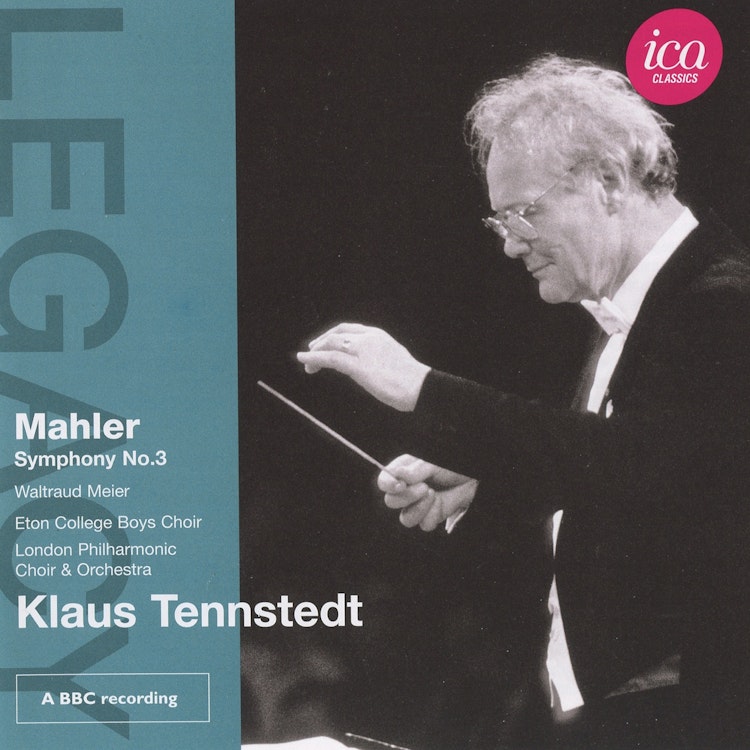
Klaus Tennstedt, the conductor on this album, emigrated to the West in 1971 after being in the 'wrong' Germany post-WWII, and his rise to fame thereafter was meteoric.
Compositional Technique
Mahler's Third Symphony features extreme contrasts of mood, texture, and dynamics, and its final movement adagio directly quotes from the slow movement of Beethoven's final string quartet, Op. 135.
Interpretation
Klaus Tennstedt, a self-proclaimed 'Romantic conductor', believed one must 'love Mahler to conduct him well' and approached Mahler's music as a 'life-and-death experience' in concert.
Recording & Production
Klaus Tennstedt, the conductor, resisted the trend of recording in short sections for 'perfection'; it is said that over half of the 33-minute first movement of his studio recording of Mahler's Third Symphony was recorded in a single take.
Composer's Artistic Vision
Gustav Mahler, the composer, intended his Third Symphony to move beyond the traditional concept of a symphony, viewing it as 'constructing a world with all the technical means at one's disposal'.
Historical Context
Klaus Tennstedt's appearance on the international scene coincided with the beginning of the modern Mahler era, when Mahler's works, once considered obscure, became hugely popular.
You might also enjoy...
Berlioz: Symphonie fantastique
Berlioz: Symphonie fantastique (Le Décodeur du Classique)
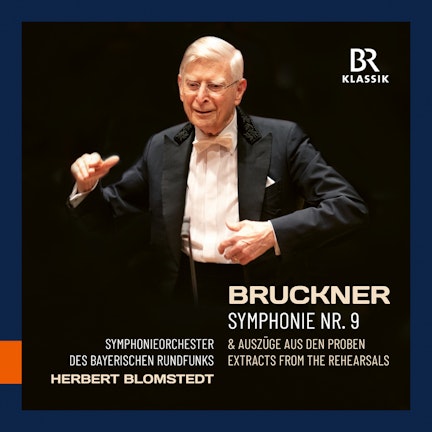
Bruckner: Symphony No. 9 and extracts from the rehearsal