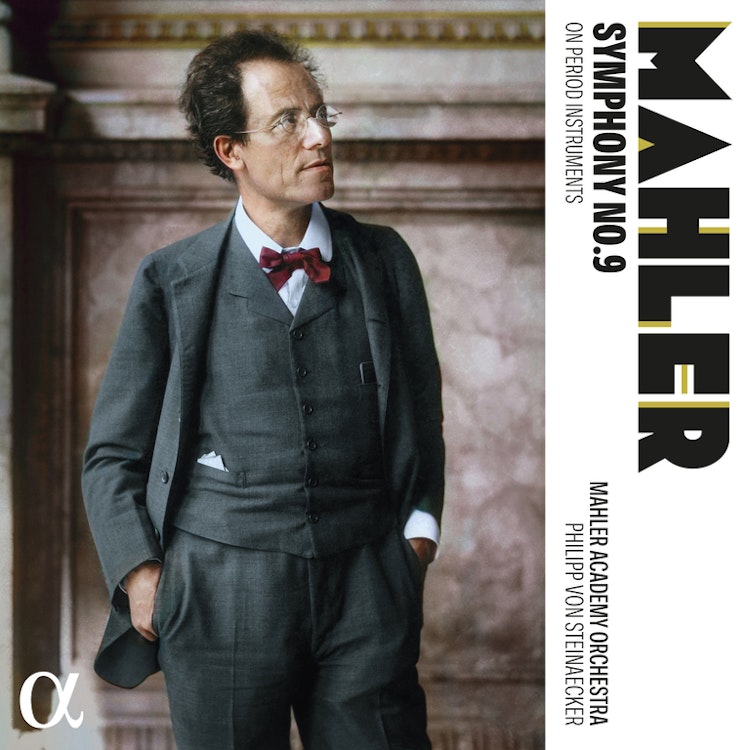
The Mahler Academy Orchestra's originalklang project brought together young artists from the Gustav Mahler Academy and fifty-five musicians from Europe's top orchestras.
Composition History
Mahler's Ninth Symphony was composed in Toblach during the summer of 1909, when Mahler was neither ill nor expecting to die soon, contrary to a common misconception.
Interpretation
In Mahler's time, wind instruments played without vibrato, string players used vibrato sparingly, and bowing was different due to gut strings, with position changes and tempo rubato being important expressive means.
Performer Biography
Philipp von Steinaecker, the conductor, was profoundly influenced by Claudio Abbado, having worked with him as a cellist, founding member of the Mahler Chamber Orchestra, and later as an assistant and guest conductor.
Composer's Artistic Vision
Mahler stated that he wanted everything in his music to be heard exactly as it sounded in his inner ear, using all available means to achieve this.
Instruments
The Mahler Academy Orchestra's originalklang project uses instruments that meticulously reconstruct those used by the Vienna Philharmonic Orchestra around 1900, differing from modern instruments in materials, mechanics, and bores.
Recording & Production
This recording is a co-production between the Busoni-Mahler Foundation Bolzano-Bozen and the Euregio Kulturzentrum Gustav Mahler Toblach Foundation.