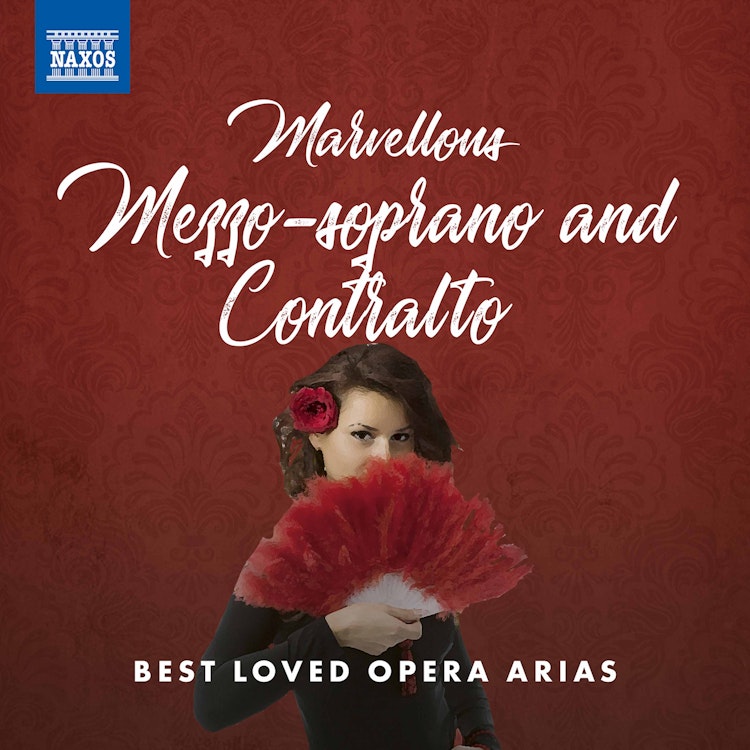
Marvellous Mezzo-Soprano and Contralto: Best Loved Opera Arias
4/23/2021, 19 Tracks, 1:18:56
Featuring
Marjana Lipovšek
Giuseppe Patanè
Michelle Breedt
Michael Halász
Ewa Podleś
Pier Giorgio Morandi
Agnes Baltsa
Heinz Wallberg
Nidia Palacios
Tiziano Severini
Sonia Ganassi
Will Humburg
Sonia Prina
Diego Fasolis
Lyudmila Shemchuk
Algis Žiūraitis
Barbara Dever
Rico Saccani
Tatiana Troyanos
James Levine
Deborah Humble
Matthias Goerne
Jaap van Zweden
Ludmila Schemtschuk
Claudio Abbado
Münchner Rundfunkorchester
Nicolaus Esterházy Sinfonia
Hungarian State Opera Chorus
Hungarian State Opera Orchestra
Bergamo Musica Festival Chorus
Bergamo Musica Festival Orchestra
Failoni Chamber Orchestra
I Barocchisti
Bayerisches Staatsorchester
RTÉ National Symphony Orchestra
Wiener Philharmoniker
Hong Kong Philharmonic Orchestra
Chor der Wiener Staatsoper
Orchester der Wiener Staatsoper
Georges Bizet
Wolfgang Amadeus Mozart
Gioachino Rossini
Giuseppe Verdi
Christoph Willibald Gluck
Camille Saint-Saëns
Gaetano Donizetti
Antonio Vivaldi
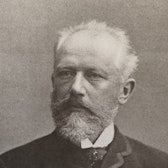
Pyotr Ilyich Tchaikovsky
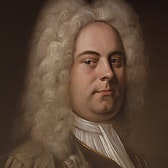
George Frideric Handel
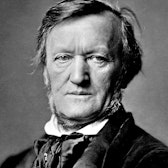
Richard Wagner
Did you know?
1/7
Compositional Technique
Many mezzo-soprano roles are for male characters, either originally written for castrati (castrated males) or because composers enjoyed the 'ambiguous frisson' of women dressed as men.
Composer's Artistic Vision
Gluck tried to reform opera in 1762 with Orfeo ed Euridice, aiming for purer principles, which led to more experimental works like Mozart's Le nozze di Figaro.
Historical Context
The Italian language, with its open vowels and easy consonants, made it a wonderfully straightforward language for singing, leading to its global dominance in early opera.
Compositional Technique
The 'brindisi', or drinking song, is a popular sub-genre in opera, often featuring upbeat celebrations of intoxication with underlying dramatic irony.
Composition History
Opera was invented around 1600 in Italy by academics trying to recreate the chanted speech of ancient Greek theatre.
Historical Context
In the Baroque period, operas often featured 'opera seria' with 'da capo arias' that repeated their opening section after a contrasting interlude.
Historical Context
The term mezzo-soprano, meaning 'half soprano', first appeared in print around 1750, but its meaning remained vague until after 1800.
You might also enjoy...
Greatest Hits: Opera
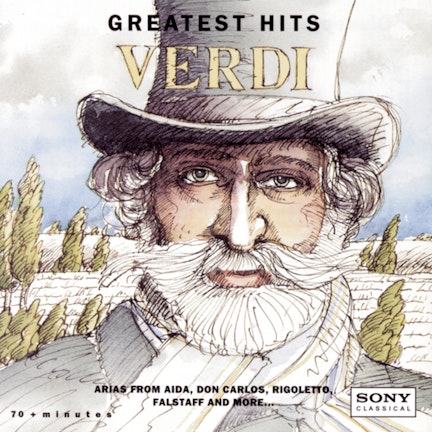
Verdi
Verdi: Greatest Hits
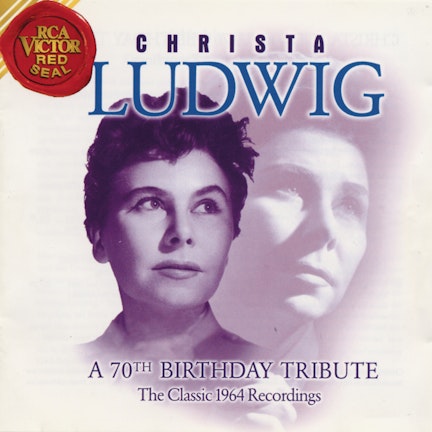
A 70th Birthday Tribute
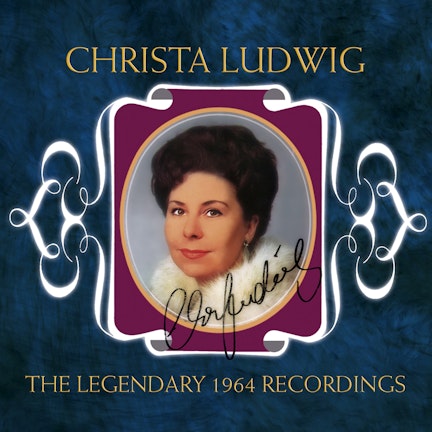
The Legendary 1964 Recordings
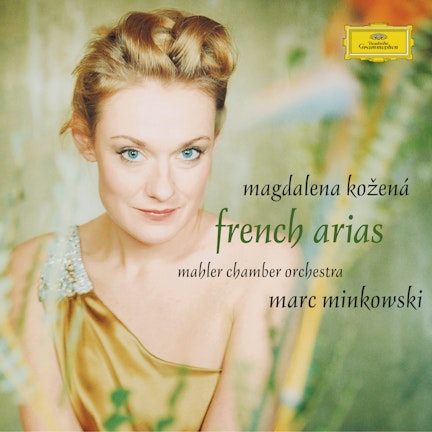
French Arias - Magdalena Kozena / Mahler Chamber Orchestra / Marc Minkowski