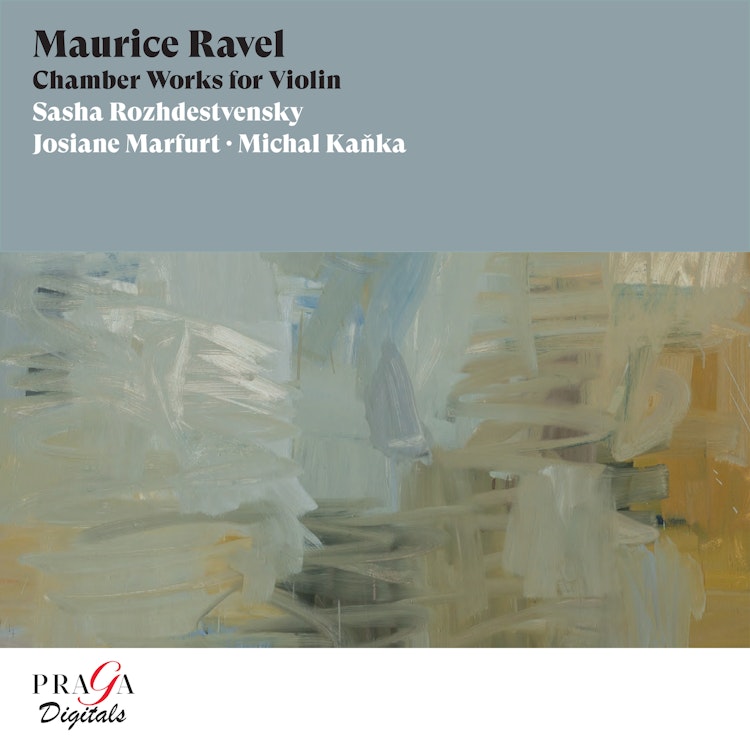
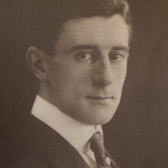
Ravel asserted that a composer should transcribe what they feel and how they feel it.
Composition History
The Berceuse sur le nom de Fauré was written in 1922 as part of a collective homage to Gabriel Fauré, published by La Revue Musicale.
Compositional Technique
In the 'Blues' movement of his Sonata for Violin and Piano, Ravel uses incompatible key signatures for the violin (one sharp) and piano (four flats) to emphasize their separation.
Composer Biography
Maurice Ravel's relatively limited chamber music output spanned 30 years, from an early sonata movement to the Sonata for Violin and Piano completed in 1927.
Composition History
Ravel's Tzigane, a 'concert rhapsody' for violin and piano, was first performed in London in 1924 by Hungarian violinist Jelly d'Aranyi, who was also the dedicatee of Bartók's Sonatas Sz 75 and 76.
Compositional Technique
The original accompaniment for Ravel's Tzigane was conceived for the piano-luthéal, a keyboard instrument that could imitate the harpsichord, cimbalom, and guitar.
Composition History
Ravel's Sonata for Violin and Piano (1923-27) stemmed from an abandoned violin concerto project first sketched in 1922.
You might also enjoy...
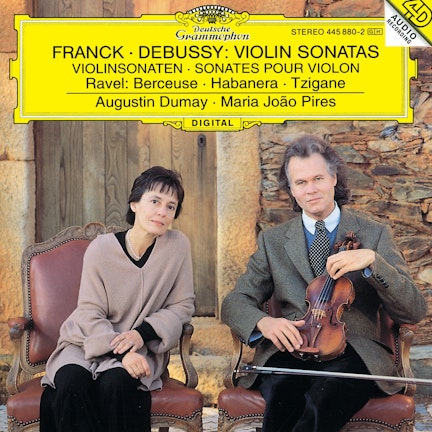
Franck: Violin Sonata In A Major / Debussy: Violin Sonata In G Minor / Ravel: Berceuse Sur Le Nom De Fauré; Habanera For Violin and Piano; Tzigane. Rapsodie De Concert For Violin And Piano
Ravel: Works for Violin and Piano
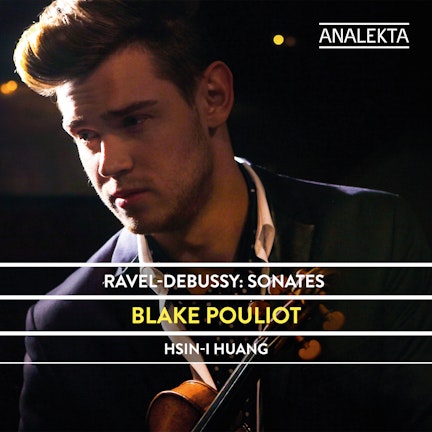
Ravel - Debussy: Sonates
Ravel : Violin Sonata [1922]
Ravel: Sämtliche Werke fur Klavier und Violine
Ravel / Debussy / Saint-Saens: Violin Sonatas
Ravel Voyageur
Ravel - Chamber Music
Ravel: The Works for Violin & Piano
Ravel: Complete Music for Violin & Piano
Ravel: 3 Sonatas, Tzigane, Habanera, Berceuse etc
Ravel: Sonates pour violon et piano & Trio pour piano, violon et violoncelle