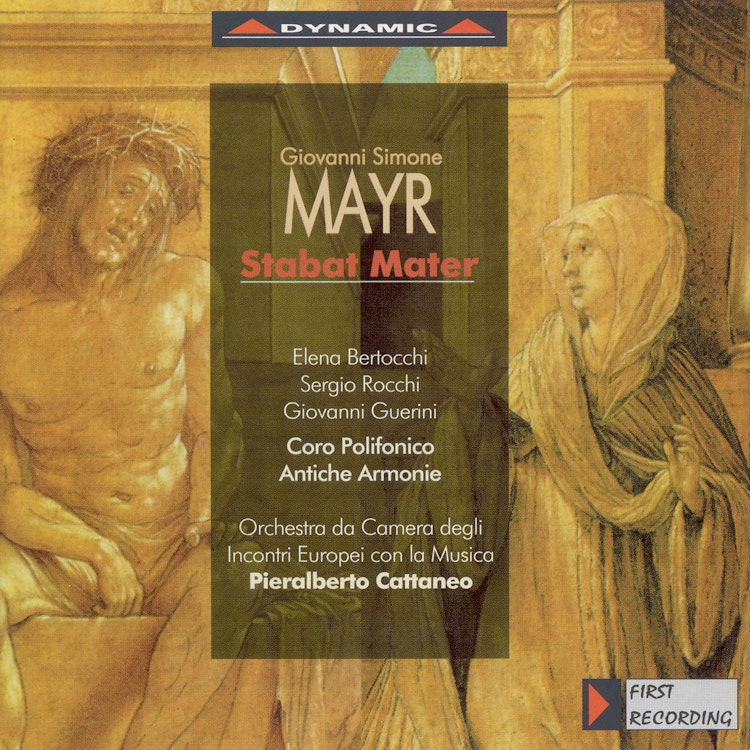
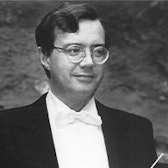
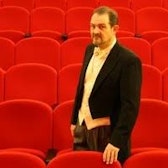
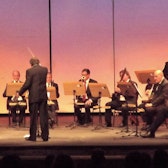
From 1802 until his death, Mayr, the composer, served as Maestro di Cappella of the Bergamo Cathedral, acting as a "Generalmusikdirektor" for the city, similar to Telemann and Emanuel Bach in Hamburg.
Composition History
The solo sections of Mayr's Stabat Mater were traditionally used as individual pieces that could be flexibly arranged within the fixed choral blocks, but annotations allowed for the reconstruction of a complete cycle for this recording.
Compositional Technique
Mayr, the composer, set his Stabat Mater works in cantata form, alternating choral pieces with solo sections, often designed as a dialogue between a voice and one or more concertante instruments.
Composer's Artistic Vision
The stylistic variety in Mayr's sacred music, including this Stabat Mater, incorporates operatic elements in a devotional rather than strictly liturgical way, using melodic invention with popular inflections to convey immediate piety.
Composer Biography
Giovanni Simone Mayr, the composer, was not only the teacher of Donizetti, a famous Italian opera composer, but also his generous benefactor during his early career.
Composer Biography
Mayr, the composer, was considered by his contemporaries to be one of the few opera composers who could compete with Rossini, another famous Italian composer, and was the most prolific composer of sacred music in the early 19th century.
Composer's Artistic Vision
Mayr, the composer, promoted culture by spreading Viennese classical music and researching local musicians, and also engaged in social activities, funding a pension fund for musicians ahead of his time.