The second recurring motif is a specific sequence of intervals (octave, fifth, sixth, and third) that has been common in Western music since the early Baroque era.
Historical Context
Fux's 'Gradus ad Parnassum' (1725) was the most influential counterpoint textbook of the 18th century, teaching the 'stile antico' of late Renaissance Italian vocal polyphony, exemplified by Palestrina.
Performer Biography
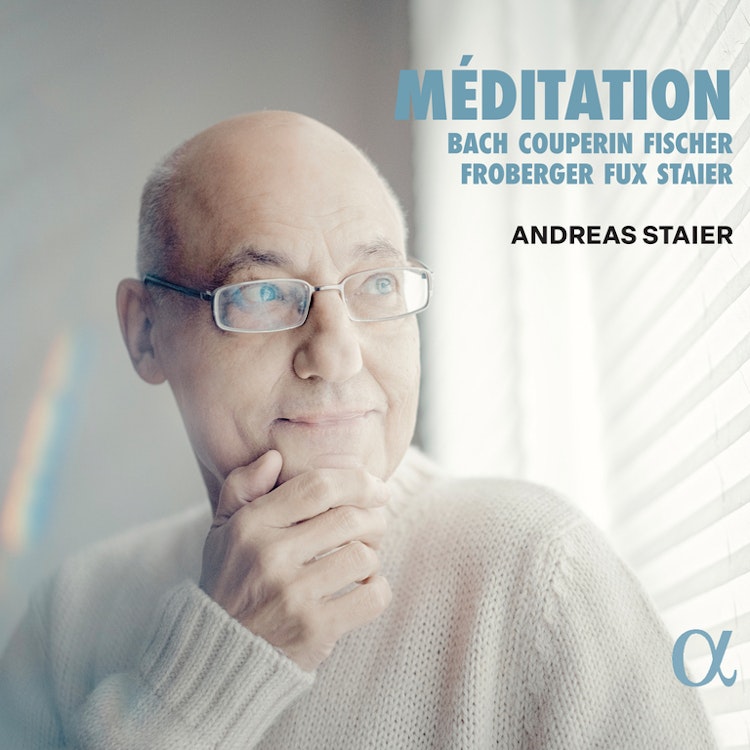
Andreas Staier, the harpsichordist on this recording, is renowned for his meticulous approach to historical performance practice, opening new interpretive avenues.
Composer's Artistic Vision
The album's program is structured around two main musical motifs that run through most of the works, reflecting the idea that 'music is often written about music'.
Compositional Technique
One central motif is an ancient 'cantus firmus' from the 13th-century Communion hymn 'Pange lingua', which appears in works by Fischer, Bach, Froberger, and Fux.
Composer Biography
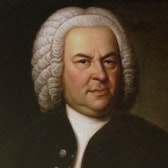
J.S. Bach was very familiar with Fischer's 'Ariadne musica', a collection of preludes and fugues, and it was a significant inspiration for his 'Well-Tempered Clavier'.
Composition History
Andreas Staier's own compositions, 'Anklänge', were developed during the 2020 concert life paralysis, giving him time to complete sketches influenced by centuries of music.
You might also enjoy...
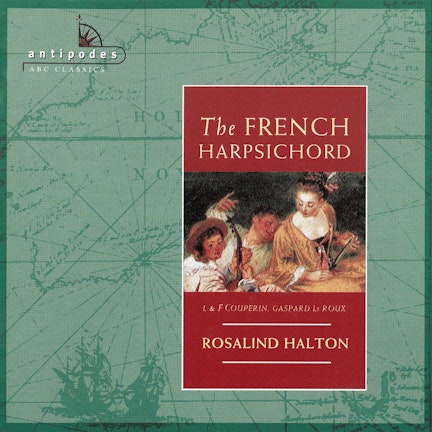
The French Harpsichord
The French Harpsichord
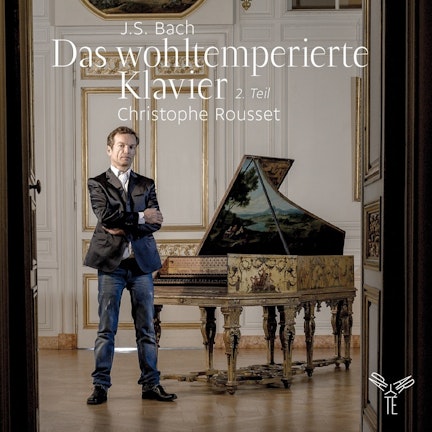
J.S. Bach: The Well-Tempered Clavier - Book two
Bach, J.S.: Inventions and Sinfonias, Bwv 772-801
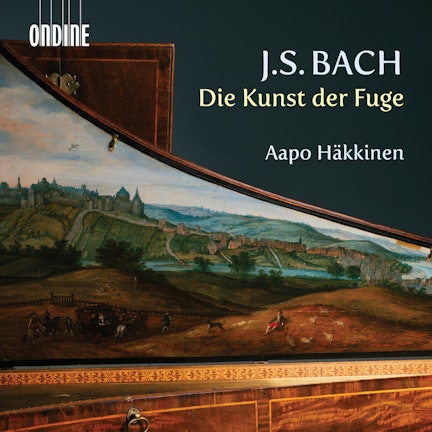
Bach: Die Kunst der Fuge
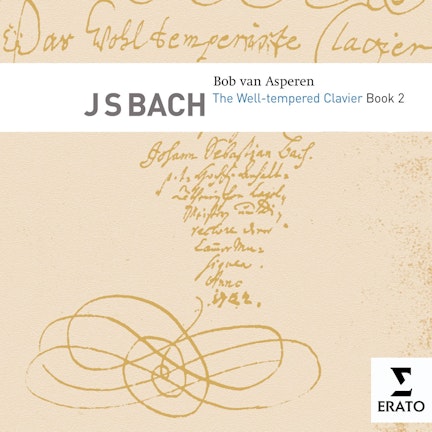
The Well-Tempered Clavier, Book 2
BACH - Kunst der Fuge - The Art of the Fuge - L' Art de la Fuge
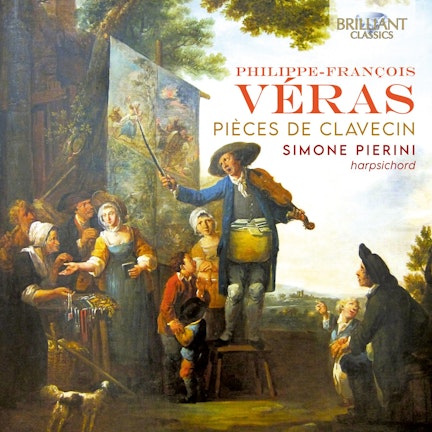
Véras: Pièces de Clavecin
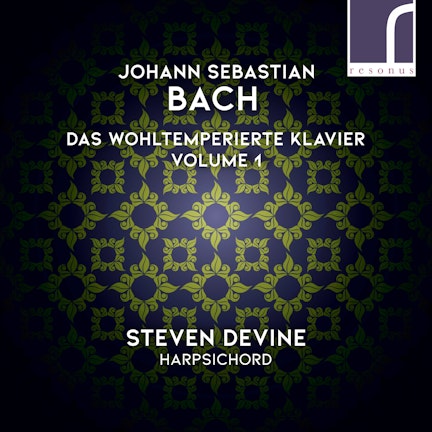
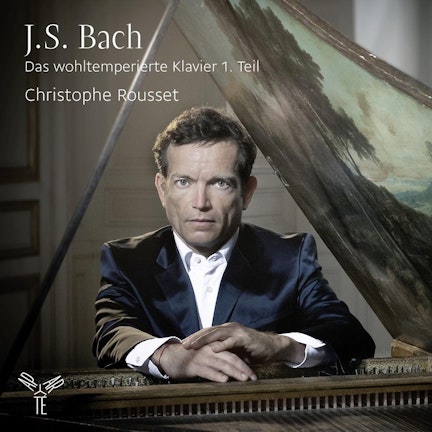
J.S. Bach: Das Wohltemperierte Klavier (The Well-Tempered Clavier), Volume 1