The new musical repertoire from around 1600, sometimes called 'musica reservata' or 'musica secreta', was characterized by harmonic daring and the expressive use of chromaticism and dissonance.
Recording & Production
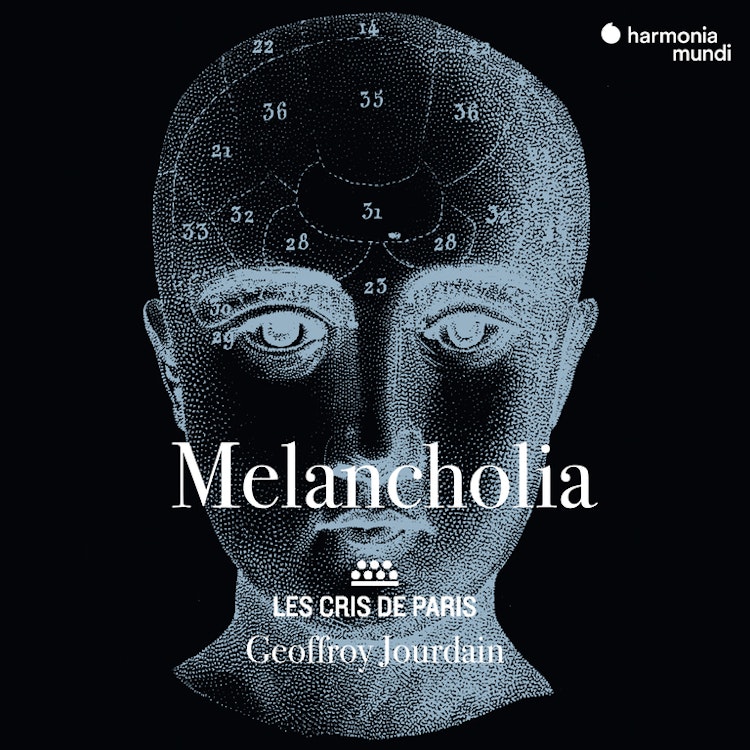
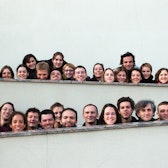
This album, 'Melancholia', was recorded by Les Cris de Paris over a week of nights in a Cistercian abbey in the south of France.
Composer's Artistic Vision
The composers on this album often chose introspective texts, such as complaints and lamentations, reflecting how 'melancholia' permeated creative thought at the end of the 16th century.
Composer's Artistic Vision
The composers featured on this album, active around 1600, were part of a musical avant-garde characterized by extreme erudition, refinement, and an immoderate taste for emotional exacerbation.
Interpretation
The instrumental pieces on this album, such as excerpts from William Byrd's 'Lullaby' and 'Come to me grief forever', act as recurring themes or 'idées fixes' to evoke the two perceptions of melancholic time.
Historical Context
The period covered by this album, a short span of about thirty years at the turn of the 17th century, saw a musical revolution and the deaths of many significant figures including Shakespeare, Montaigne, and Cervantes.
Composer Biography
Carlo Gesualdo, a key figure on this album, was known for his tortured expression and dark passion, which led him to commit the double homicide of his wife and her lover.
You might also enjoy...
De Rore: Missa Praeter rerum seriem
Introitus · Vokalmusik von Dufay bis Palestrina
From the Imperial Court: Music for the House of Hapsburg
The Renaissance of Italian Music
Virgin and Child - Music from the Baldwin Partbooks II