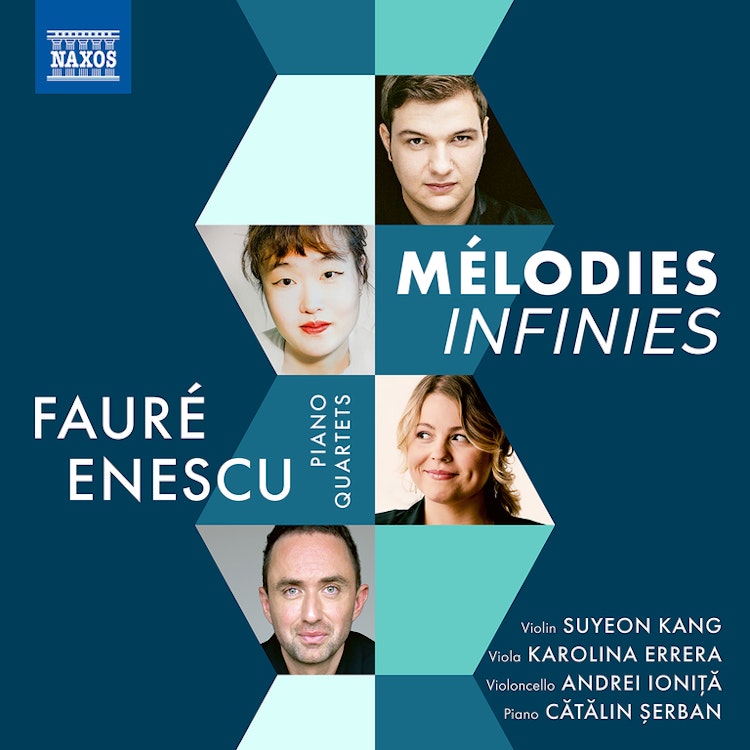
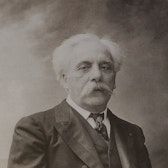
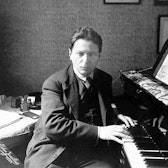
Both Gabriel Fauré and George Enescu have been underestimated, especially in the second half of the 20th century, more than their importance would suggest.
Critical Reception
Fauré's first piano quartet was initially presented in 1880, but colleagues advised him to revise the finale, with the revised version premiering in 1884.
Historical Context
Fauré's first piano quartet is one of the earliest works of its genre in France, reflecting the 'Ars Gallica' idea of strengthening original French music after the Franco-Prussian War.
Compositional Technique
Enescu's music, particularly his first piano quartet, is inspired by Romanian folk music, which gives it an unmistakable character.
Composer's Artistic Vision
Pianist Cătălin Șerban notes that both Fauré and Enescu share a spiritual closeness to German late Romanticism, particularly Wagner, and Enescu also incorporates French Impressionist style.
Recording & Production
Pianist Cătălin Șerban, who is from Romania like Enescu, discovered Enescu's first piano quartet and was fascinated by its complexity and melancholy, leading him to compile these two works for the album.
Composer Biography
George Enescu, who came from Liveni, a hamlet in northern Romania, was a student of Gabriel Fauré, the composer of the first piano quartet on this album.
You might also enjoy...
Indy, V. D': Piano Quartet in A Minor / Saint-Saens, C.: Piano Quartet in B Flat Major
Saint-Saëns & Taneyev: Taste the Best
Walton, Bridge & Lekeu: Piano Quartets
Saint-Saëns: Piano Quartets
Dorian Recordings, 1989-2000 (Complete) (The Ames Piano Quartet)