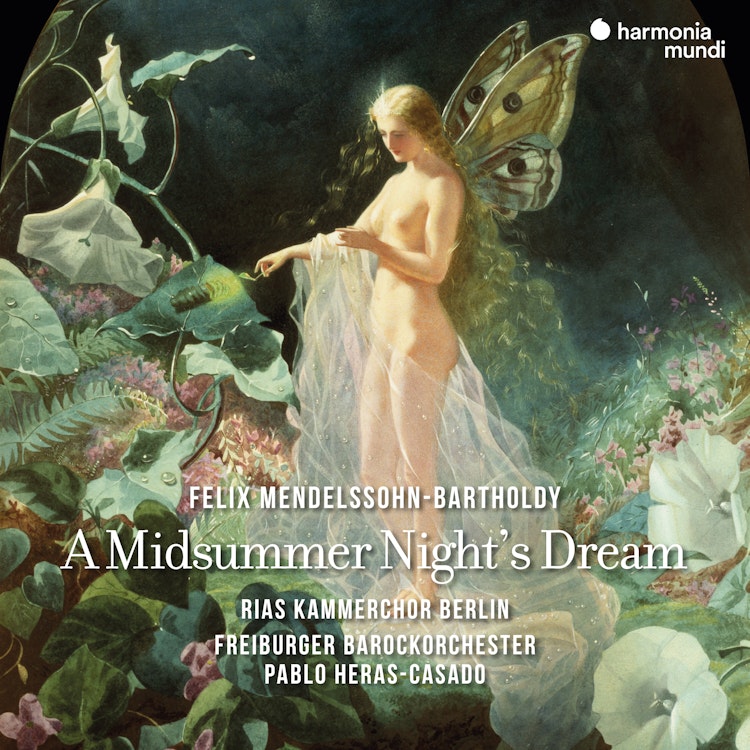
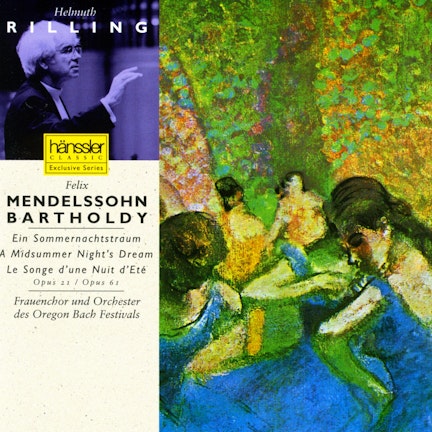
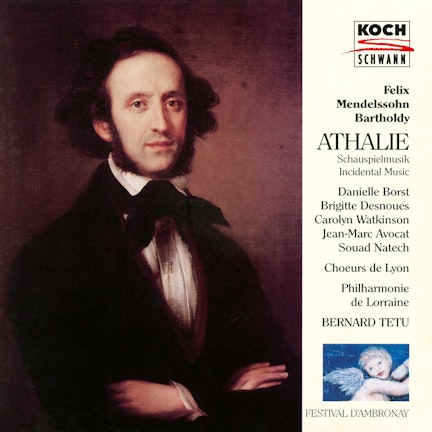
The incidental music for A Midsummer Night's Dream was commissioned by King Frederick William IV of Prussia in 1842, seventeen years after the Overture was written.
Composition History
Mendelssohn composed the Overture to A Midsummer Night's Dream at age seventeen in 1826, and then the incidental music in 1843.
Compositional Technique
The young Mendelssohn used a Beethovenian classical orchestra for his Overture, employing refined violin divisions, sound pointillism, and acoustic illusions to evoke the fairy world.
Composer Biography
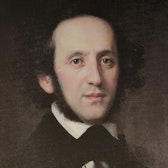
Felix Mendelssohn was the grandson of Moses Mendelssohn, a great Jewish philosopher of the Enlightenment (Aufklärung).
Critical Reception
Hector Berlioz, a rival composer, was charmed by Mendelssohn's work, saying of the incidental music, 'I have never heard anything so profoundly Shakespearean'.
Composer's Artistic Vision
Mendelssohn, a polyglot and prodigy, was considered uniquely qualified to set Shakespeare's supernatural night to music, with his 'fairy-like writing' and 'elf-like staccatos'.
Composition History
Mendelssohn's Overture to A Midsummer Night's Dream was first performed privately in Berlin in 1826 and publicly in Stettin, Germany, in 1827.
You might also enjoy...
Kraus, J.: Amphitryon
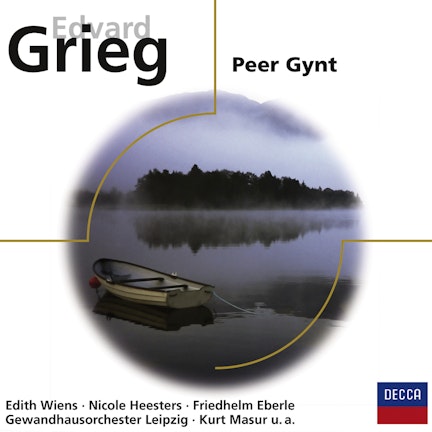
Grieg: Peer Gynt
Suppé: Die Reise um die Erde in 80 Tagen (Version Without Narration)
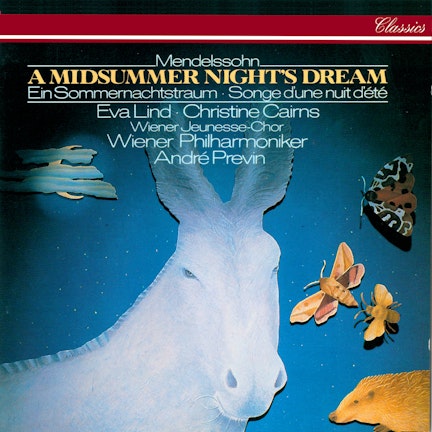
Mendelssohn: A Midsummer Night's Dream
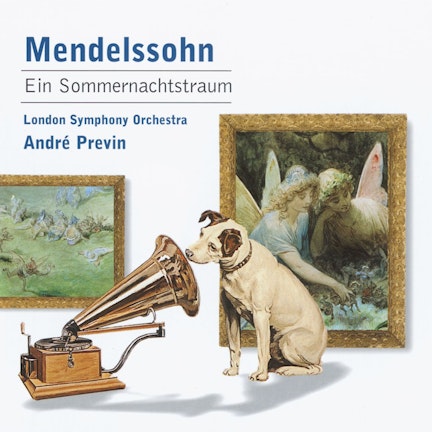
Mendelssohn: Ein Sommernachtstraum
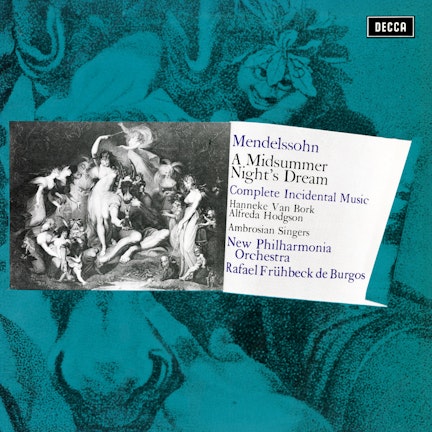
Mendelssohn: A Midsummer Night's Dream
Grieg: Peer Gynt
Mendelssohn: Midsummer Night's Dream (A), Op. 21 and Op. 61