Mendelssohn's Violin Concerto in E minor features several innovative elements, including the immediate entry of the solo instrument without an orchestral prelude and the linking of movements (attacca) to create a unified work.
Composer Biography
Niels Wilhelm Gade, a Danish composer, worked as a violinist in the royal chapel in Copenhagen before receiving a scholarship to Leipzig, where he befriended Mendelssohn and Robert Schumann.
Historical Context
Mendelssohn's Violin Concerto in E minor was banned from stages and radio during the National Socialist era, as were all works by Jewish and 'degenerate' composers.
Composition History
Felix Mendelssohn Bartholdy spent over six years composing his Violin Concerto in E minor, Op. 64, partly due to his extensive conducting commitments and involvement in founding the Leipzig Conservatory.
Composer Biography
Niels Wilhelm Gade became Mendelssohn's deputy and later his successor as conductor of the Gewandhaus Concerts in Leipzig, but returned to Copenhagen permanently after the outbreak of the German-Danish War in 1848.
Compositional Technique
The cadenza in the first movement of Mendelssohn's Violin Concerto in E minor is unusual because it is placed within the development section and is fully composed by the composer, rather than being left to the soloist's improvisation.
Cultural Impact
Despite his close ties to German musical life, Niels Wilhelm Gade's works did not achieve lasting triumph in Central Europe, though he is considered a key founder of an independent Danish music culture.
You might also enjoy...
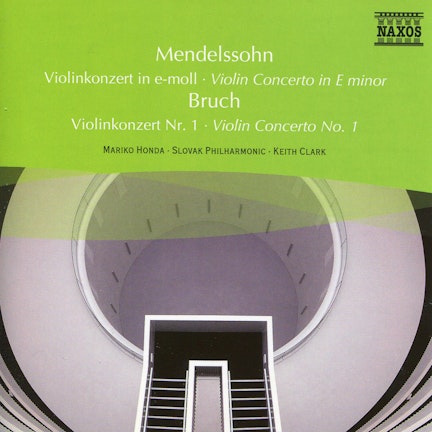
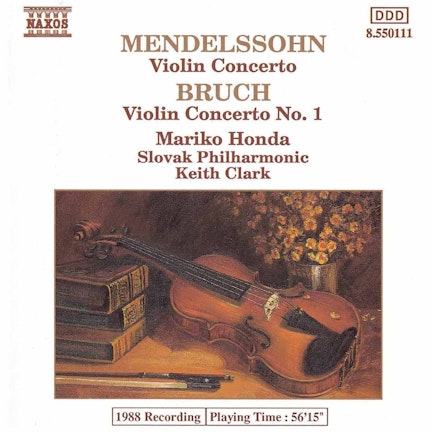
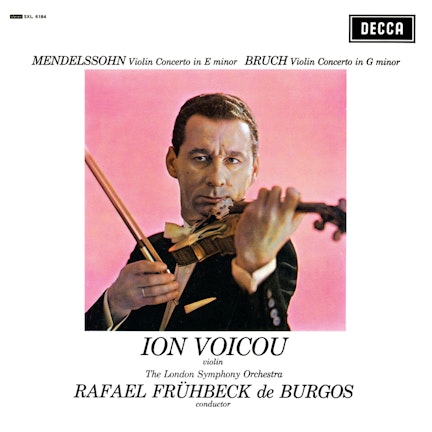
Mendelssohn: Violin Concerto in E Minor / Bruch: Violin Concerto No. 1
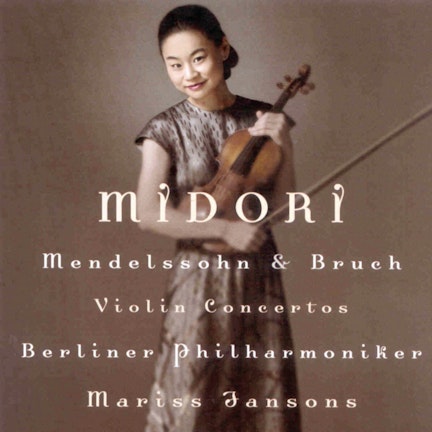
Violin Concertos of Mendelssohn & Bruch
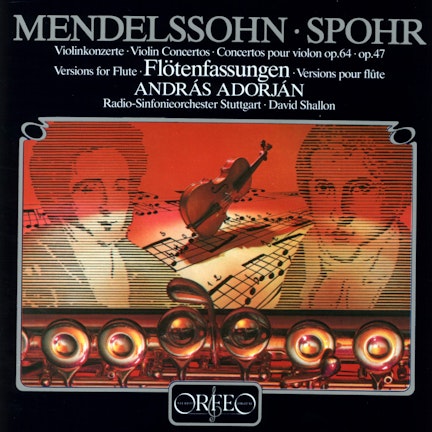
Mendelssohn & Spohr: Violin Concertos Arranged for Flute
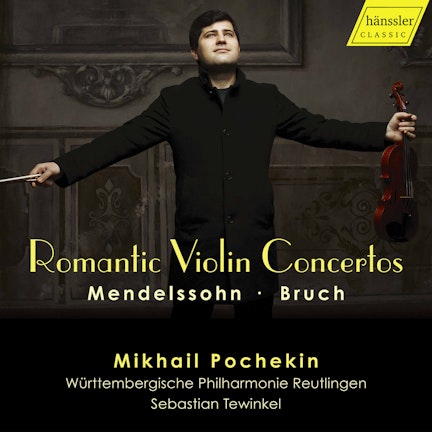
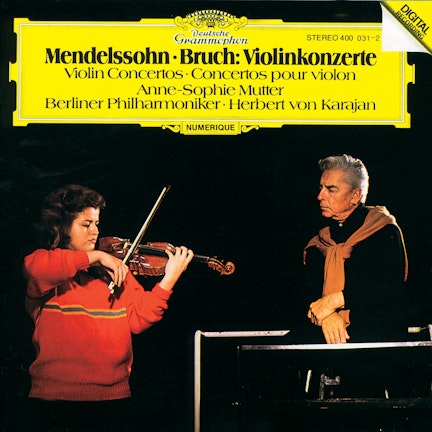
Mendelssohn & Bruch Violinkonzerte
Mendelssohn: Violin Concerto in E Minor / Bruch: Violin Concerto No. 1