Felix Mendelssohn Bartholdy, the composer, was considered a "second Mozart" by Johann Wolfgang von Goethe when Mendelssohn was only 12 years old.
Composition History
Mendelssohn's music for Sophocles' Oedipus at Colonus was one of four commissions from Prussian monarch Frederick William IV, who aimed to revive Greek tragedy in Berlin.
Composition History
Mendelssohn extensively revised Die erste Walpurgisnacht a decade after its 1833 premiere, rewriting it "from A to Z" in 1842.
Performer Biography
Frieder Bernius, the conductor, has received numerous international recording prizes, including the International Classical Music Award for his complete recording of Mendelssohn's sacred choral works.
Cultural Impact
Die erste Walpurgisnacht influenced other composers, with Charles Gounod, Joachim Raff, and Charles-Marie Widor all composing their own musical treatments of the Walpurgis Night theme.
Composition History
Mendelssohn's cantata, Die erste Walpurgisnacht, is based on a ballad by Johann Wolfgang von Goethe about early medieval pagan rites on May Eve, not on the Walpurgisnachtstraum scene from Faust.
Compositional Technique
In Oedipus at Colonus, Mendelssohn used the dissonant musical interval of the tritone to symbolize Oedipus's defilement, integrating it as both a melodic gesture and harmonic component throughout the score.
You might also enjoy...
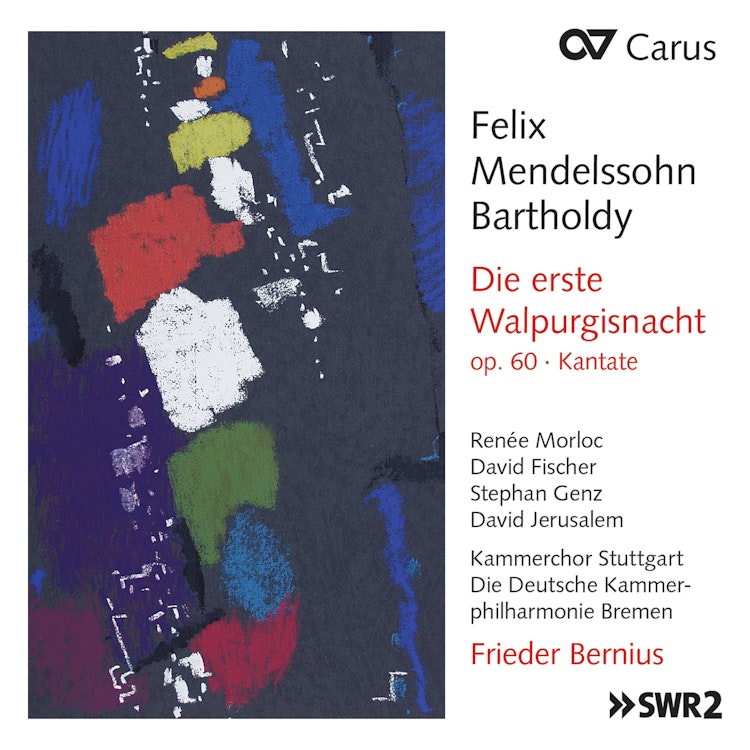
Mendelssohn: Die erste Walpurgisnacht, Op. 60, MWV D 3
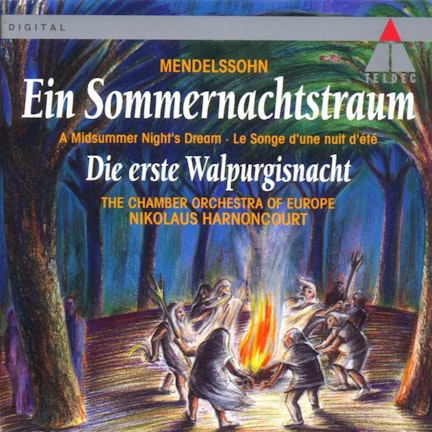
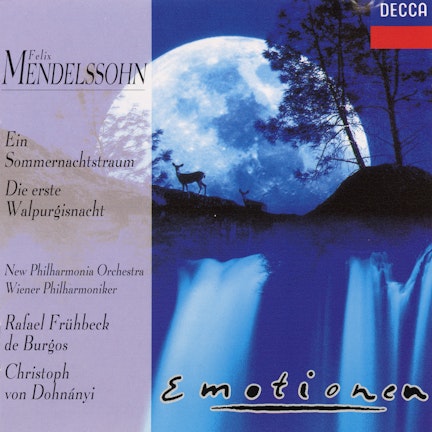
Mendelssohn : A Midsummer Night's Dream & The First Walpurgis Night
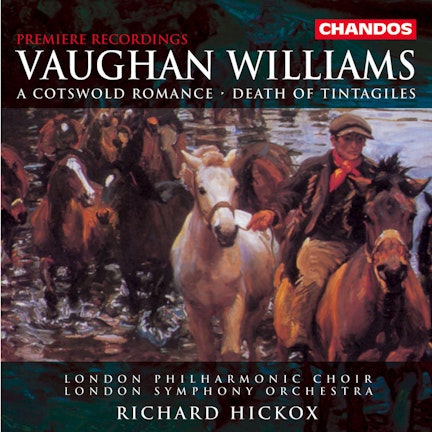
Jacobson: Vaughan Williams - A Cotswold Romance / Vaughan Williams: The Death of Tintagiles
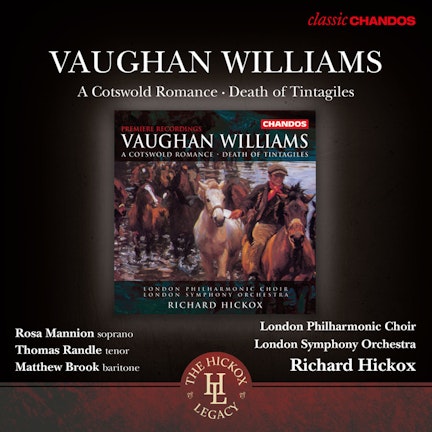
Vaughan Williams: A Cotswold Romance & Death of Tintagiles
Humperdinck: Stage Works
Sibelius: Snofrid / Cantata for the Coronation of Nicholas Ii / Rakastava
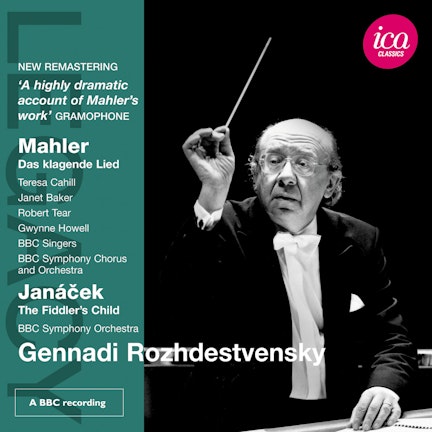
Mahler: Das klagende Lied - Janacek: The Fiddler's Child
Mendelssohn: Midsummer Night's Dream; First Walpurgis Night