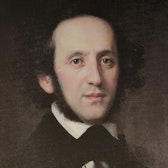
Felix Mendelssohn Bartholdy believed in building upon the legacy of great masters rather than starting anew, while still contributing creatively.
Composer Biography
Felix Mendelssohn Bartholdy's father, Abraham Mendelssohn, converted to Christianity and added 'Bartholdy' to the family name to solidify their civil status in Germany.
Compositional Technique
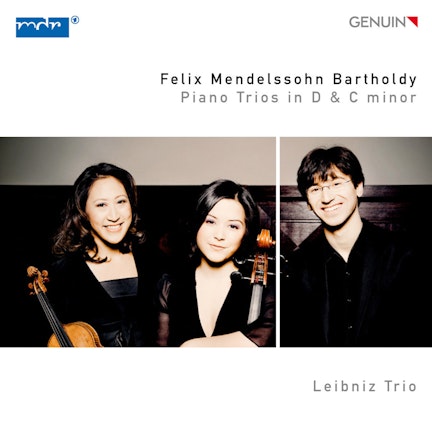
The Finale of Mendelssohn's Piano Trio No. 2 in C minor, Op. 66, features a recognizable Bach Chorale, 'Herr Gott, Dich fürchten wir alle'.
Composition History
The Piano Trio No. 2 in C minor, Op. 66, written in 1844/45, conveys a skeptical mood, reflecting a crisis through its chromatic lines and dark sound-toning.
Critical Reception
Robert Schumann, a contemporary composer and friend, declared Mendelssohn's Piano Trio No. 1 in D minor, Op. 49, to be 'the master trio of contemporary music'.
Composition History
The Piano Trio No. 1 in D minor, Op. 49, composed in 1839, may reflect themes of death and love, pulsating with a yearning for emotional harmony.
Composer Biography
Felix Mendelssohn Bartholdy's grandfather, Moses Mendelssohn, was an eminent Jewish philosopher of the Age of Enlightenment, and a comprehensive education was a family tradition.
You might also enjoy...
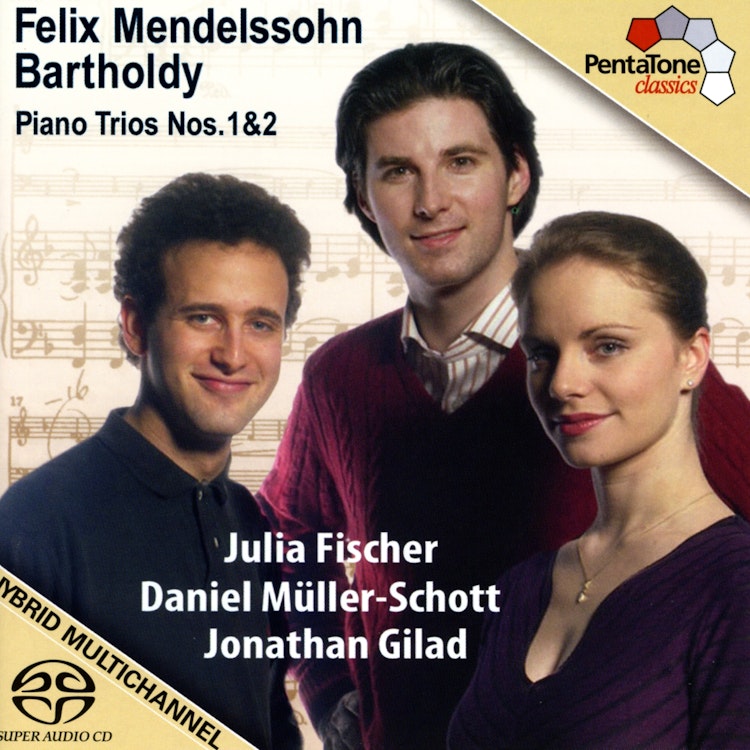
Mendelssohn: Piano Trios Nos. 1 and 2
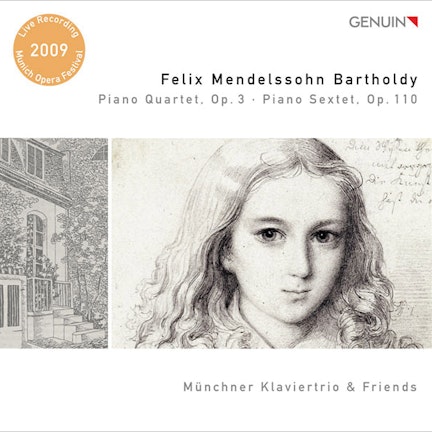
Mendelssohn, Felix: Piano Quartet, Op. 3 / Piano Sextet, Op. 110
Mendelssohn: Piano Trios, Op. 49 & Op. 66
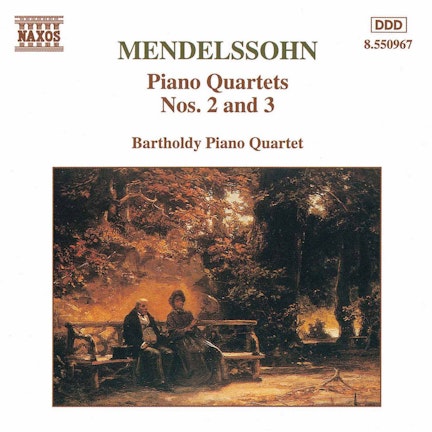
Mendelssohn: Piano Quartets Nos. 2 and 3
Mendelssohn, Felix: Songs Without Words (Arr. for Flute and Piano)
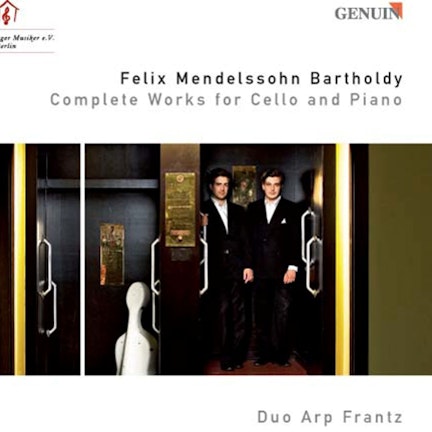
Mendelssohn, Felix: Cello and Piano Music (Complete)
Mendelssohn, Felix: Cello Music (Complete)
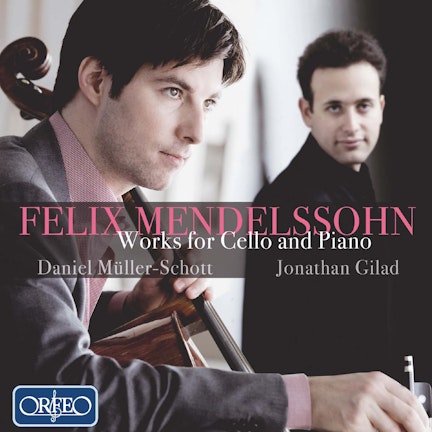
Mendelssohn: Works for Cello & Piano
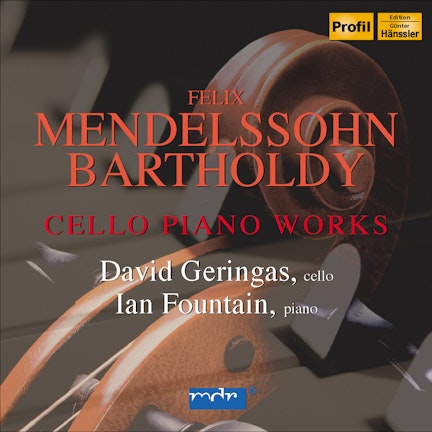
Mendelssohn, Felix: Cello Piano Works
Mendelssohn-Bartholdy: Duo Sonatas For Cello And Piano