Mendelssohn's music was banned in Nazi Germany, and his statue in Leipzig was removed, prompting public protest from the city's mayor, Karl Goerdeler.
Critical Reception
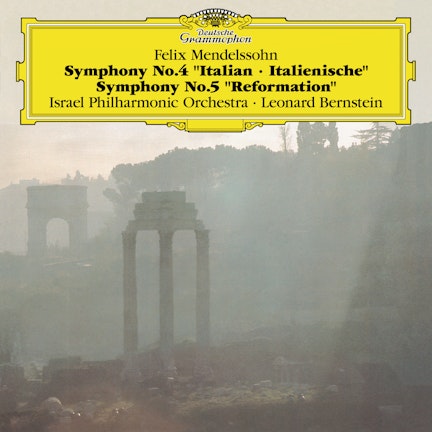
Mendelssohn's 'Reformation Symphony' initially received only moderate success; it was deemed 'too learned' by a Parisian orchestra and even the composer himself called it 'a complete misfit'.
Composition History
The 'Reformation Symphony' was originally conceived as an occasional piece for the 300th anniversary of the Augsburg Confession, a key document of the Reformation, but it was not finished in time for the event.
Composer Biography
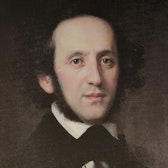
Felix Mendelssohn Bartholdy, born into a wealthy Jewish banking family that converted to Protestantism, was a talented and prolific artist who traveled extensively as a pianist, organist, concert organizer, and conductor.
Composition History
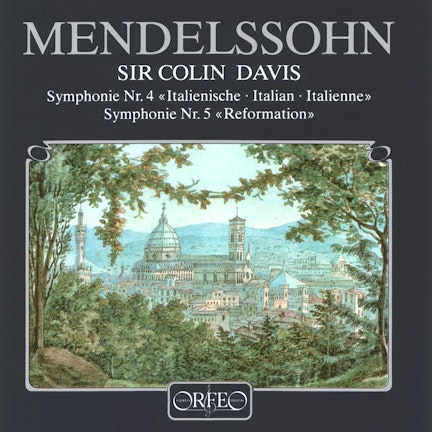
Mendelssohn's Symphony No. 4, 'Italian', was inspired by his travels in Italy, with the composer writing to his parents, 'This is Italy! And now has begun what I have always thought to be the supreme joy in life. And I am loving it!'
Performer Biography
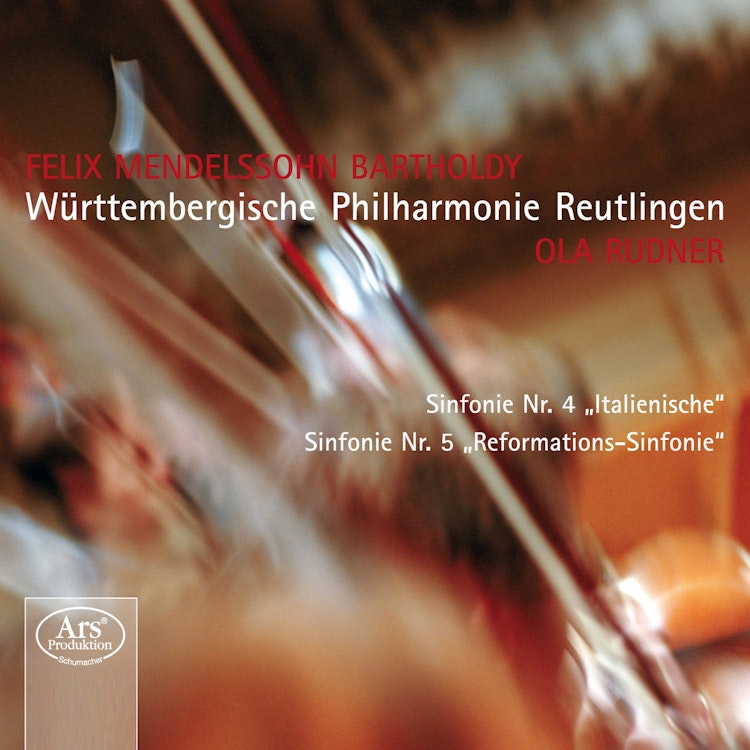
Ola Rudner, the conductor on this album, began his musical career as a violin virtuoso and was a prizewinner of the Paganini Competition in Genoa.
Critical Reception
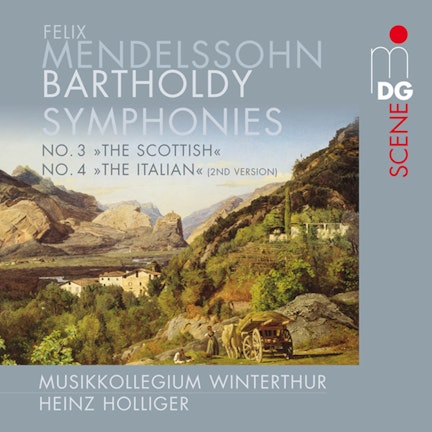
Despite its enthusiastic reception at its 1833 London premiere, Mendelssohn continuously revised his 'Italian' Symphony and never authorized its publication, leading scholar Wulf Konold to state it achieved 'completion through reception'.