Olivier Messiaen, the composer, became the organist at the Church of the Trinity in Paris at the young age of 22 in 1930.
Compositional Technique
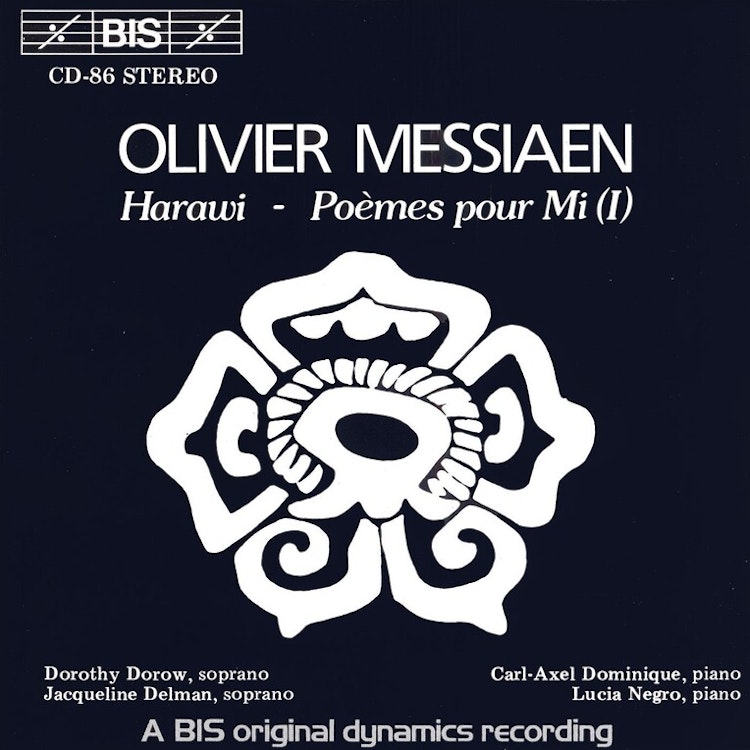
The text of Harawi is largely untranslatable due to frequent symbolic allusions and long sequences of onomatopoeic words from Quechua, imitating bird-song and human passions.
Performer Biography
Carl-Axel Dominique, the pianist, was initially known as a jazz musician before pursuing classical studies and becoming a concert pianist.
Performer Biography
Dorothy Dorow, the soprano on this recording, was initially interested in composing film and theatre music before dedicating herself to singing.
Composition History
The song cycle Harawi, Chant d'Amour et de Mort, composed in 1945, was inspired by Peruvian folk art, with Messiaen writing both the text and music.
Compositional Technique
The word 'Harawi' comes from Quechua, the indigenous Indian language of Peru, and means 'a song of love and death'.
Composer's Artistic Vision
Messiaen's deep religiosity, combined with a mystical strain, forms the basis of his personal tonal language and his attachment to tradition.
You might also enjoy...
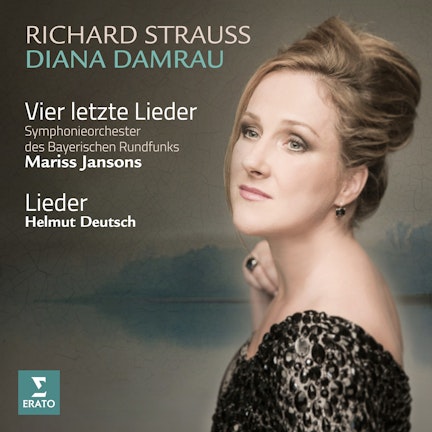
Strauss, Richard: Lieder
Songs of Sergei Rachmaninov
Like the Sky in Rome
Lieder for the Turn of a Century
Lines Written During a Sleepless Night: The Russian Connection