The symphony features four 'cyclical' themes, including the 'statue theme' (massive and heavy), the 'flower theme' (arabesque-like), the 'love theme' (versatile and iridescent), and the 'chord theme' (a special harmonic sequence).
Composition History
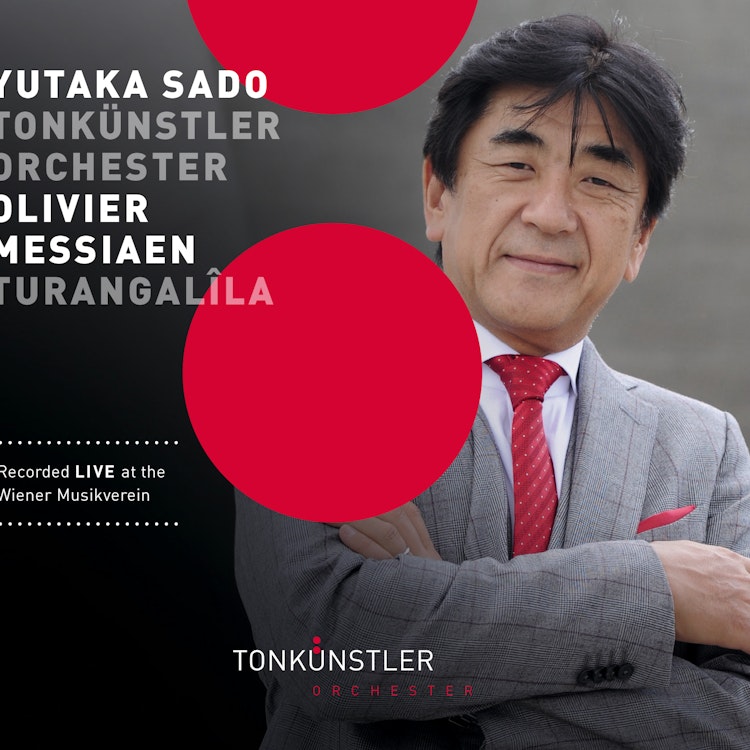
Olivier Messiaen's Turangalîla Symphony was commissioned by conductor Serge Koussevitzky, who considered it one of the greatest compositions of the 20th century.
Composer's Artistic Vision
The title "Turangalîla" combines two Sanskrit words: "Turanga" meaning rapidly elapsing time, movement, and rhythm, and "Lîla" meaning divine play, becoming and dying, life and death, and also love.
Instruments
The Ondes Martenot, a single-line electronic keyboard instrument, adds unique vibrating and gliding sounds to the symphony.
Composer Biography
Messiaen composed the Turangalîla Symphony as part of a trilogy of works centered on the Tristan myth, inspired by his personal situation of falling in love with Yvonne Loriod while his first wife was terminally ill.
Compositional Technique
Messiaen's orchestration includes a D trumpet for high-range brilliance, nearly 70 string instruments, and a 'small orchestra' of keyboard instruments reminiscent of an Indonesian gamelan ensemble.
Composition History
The Turangalîla Symphony was premiered in 1949 by Leonard Bernstein, as Serge Koussevitzky, the commissioner, was in poor health.
You might also enjoy...
The Queen Symphony
Milhaud: Symphonies 5 & 6
Berlioz: Symphonie fantastique, Op. 14
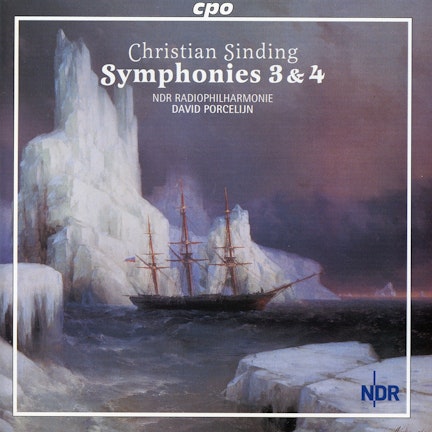
Sinding: Symphonies 3 & 4
Martinů: Symphony No. 1 & Symphony No. 5
Ries: Symphony No. 3 in E flat major, Op. 90: III. Menuetto. Moderato
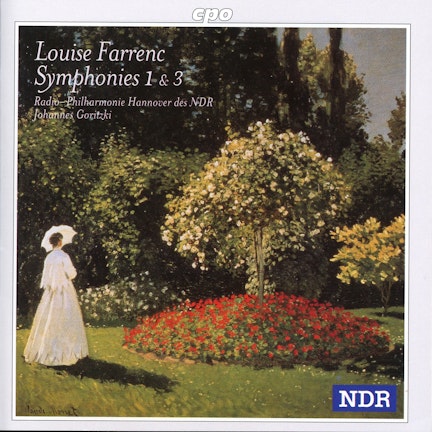
Farrenc: Symphonies Nos. 1 and 3
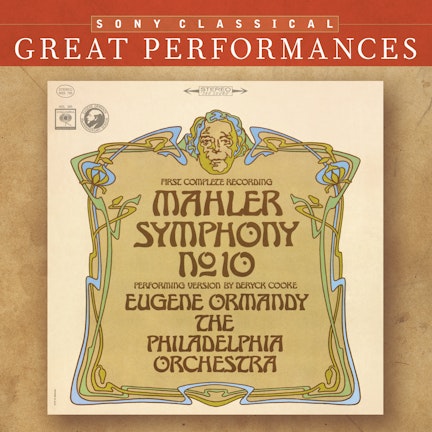
Mahler: Symphony No. 10 (performing version by Deryck Cooke) [Great Performances]
Michael Fine: Chamber Symphony
MAHLER, G.: Symphony No. 10 (Performing version by D. Cooke) [Berlin Symphony, Sanderling]
Strauss: Symphony No. 2 in F Minor, Op. 12
Franck: Symphony - Saint-Saëns: Symphony No. 3 with Organ