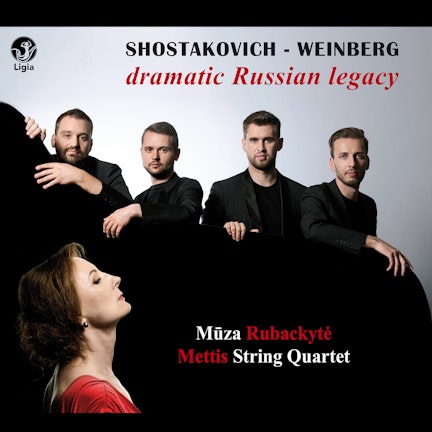
Weinberg's musical language, while often compared to Shostakovich's, is less motoric, features a strong influence of Jewish folk music, and frequently adopts Neoclassical forms.
Critical Reception
For a long time, Mieczysław Weinberg was regarded as a 'great unknown' in 20th-century music, with his works performed only in the Soviet Union until the early 21st century.
Composer Biography
Dmitri Shostakovich, a composer Weinberg greatly admired, was so impressed by Weinberg's First Symphony that he helped him move to Moscow in 1943.
Cultural Impact
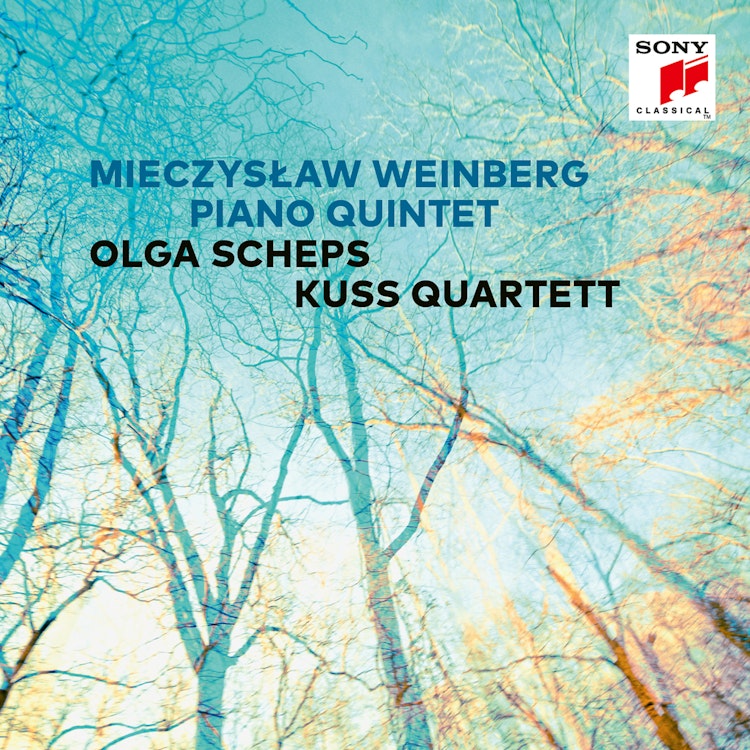
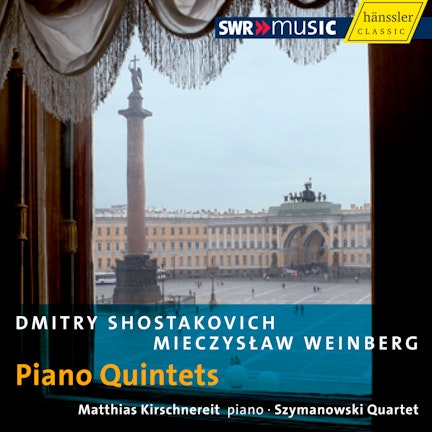
Weinberg's Piano Quintet op. 18, one of his most frequently performed works, has significantly contributed to the increasing familiarity with this long-forgotten composer.
Historical Context
Despite finding refuge in Moscow, Weinberg faced antisemitic attacks, including the staged car accident death of his father-in-law, Solomon Mikhoels (a famous theatre director), and his own imprisonment in 1953.
Composer Biography
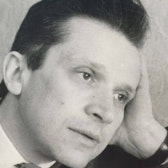
Mieczysław Weinberg, a Polish Jew, fled the German armies during World War II, finding refuge in Minsk and then Tashkent, while his parents and sister were murdered in a concentration camp.
Composer's Artistic Vision
Weinberg felt it was his moral duty to compose about war and the horrors that befell mankind, stating that this theme was dictated by his fate and the tragic fate of his relatives.