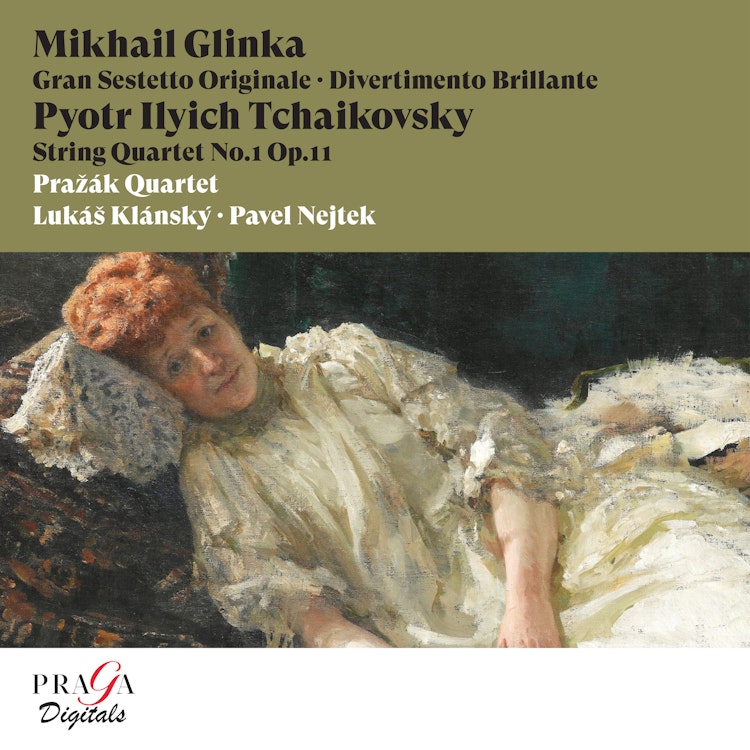
The premiere of Tchaikovsky's String Quartet No. 1 in 1871 was the first appearance of a complete Russian work in this genre, and critics were amazed by his command of the medium.
Composition History
Glinka's 'Divertimento brillante' was dedicated to a young student, Miss Pollini, who played it excellently with Milanese artists.
Compositional Technique
The second movement of Tchaikovsky's String Quartet No. 1, 'Andante cantabile', is his best-known chamber piece and is based on a Russian folk-song.
Compositional Technique
Glinka was among the first to use the whole-tone scale, which he called 'Tchernomor' after a character in his opera 'Russlan and Ludmila'.
Composer's Artistic Vision
Glinka's work was influenced by foreign music, especially Italian, but its spirit remained essentially Russian.
Composer Biography
Mikhail Glinka, a largely self-taught composer, studied numerous scores, played piano, sang, and even conducted to master orchestration.
Performer Biography
The Pražák Quartet, one of today's leading international chamber music ensembles, was established in 1972 by students at the Prague Conservatory.
You might also enjoy...
Mozart, Bruch
Anton Reicha: Chamber Music
Ravel / Martinu / Honegger / Schulhoff: Duos for Violin and Cello
Pas de deux
Chopin / Dvorák / Ravel / Smetana: Piano Trios
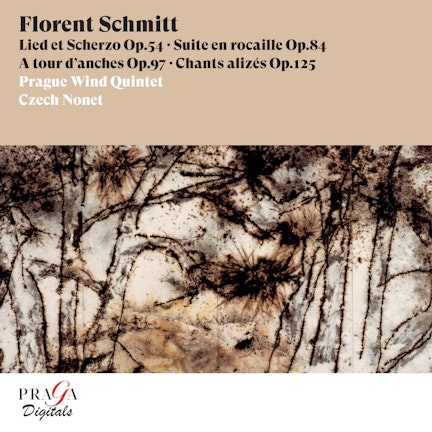
Florent Schmitt: Lied et Scherzo, Suite en rocaille, A tour d'anches, Chants alizés