The first performance of Le Tombeau de Couperin was given in April 1919 in Paris's Salle Gaveau by the legendary pianist Marguerite Long, who was a friend of Ravel, Debussy, and Fauré.
Composer's Artistic Vision
Ravel considered 'Oiseaux tristes' from Miroirs to be the most characteristic piece, evoking 'birds lost in the torpor of a very sombre forest, during the hottest hours of summertime'.
Composition History
Ravel's Gaspard de la nuit, dating from 1908, was inspired by three prose poems by the French Romantic poet Aloysius Bertrand, who was an enthusiastic reader of E.T.A. Hoffmann.
Composer's Artistic Vision
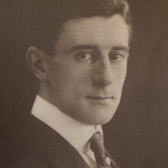
Maurice Ravel, like Debussy, was drawn to the elegant taste and sound world of 18th-century French music, particularly that of his compatriots.
Composition History
Ravel dedicated each movement of Le Tombeau de Couperin to a friend who had fallen in World War I, including the musicologist Joseph de Marliave.
Composition History
Ravel's Le Tombeau de Couperin, a piano suite, is a 'tombeau' – a musical monument to admired figures – but it was not intended to mourn François Couperin, a leading claveciniste and organist at the Versailles court.
Compositional Technique
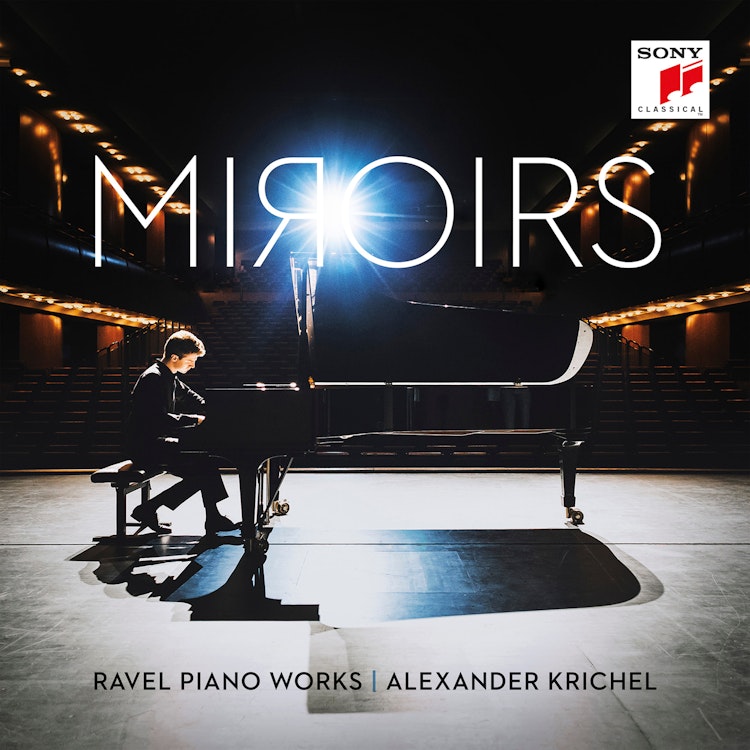
Ravel's Miroirs, composed in 1904/05, represents his first extensive engagement with musical Impressionism, building on sonorities he explored in his earlier piece, Jeux d'eau.
You might also enjoy...
Ravel: Gaspard de la nuit / Jeux d'eau / Miroirs
Christopher O'Riley Plays Ravel
Ravel: Piano Music, Vol. 1
Ravel: Le Tombeau de Couperin, Gaspard de la Nuit, Miroirs
Ravel, M.: Gaspard De La Nuit / Miroirs / Jeux D'Eau
Ravel: Miroirs - Gaspard de la nuit - La valse
Ravel: Miroirs, Gaspard de la nuit & Pavane pour une infante défunte
Ravel
Ravel: Miroirs, Gaspard de la nuit & Pavane pour une infante défunte
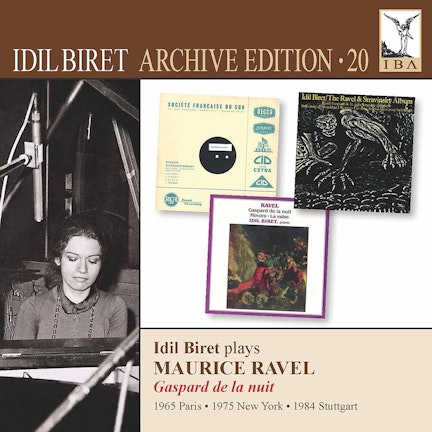
İdil Biret Archive Edition, Vol. 20
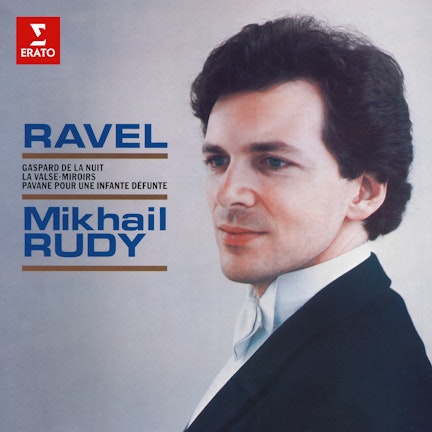
Ravel: Gaspard de la nuit, La valse, Miroirs & Pavane pour une infante défunte