Both Biber and Piazzolla pushed the boundaries of the musical forms available to them; Biber expanded the Baroque sonata, while Piazzolla created the 'tango nuevo' to define his compositions.
Interpretation
The Baroque string instruments used in this recording offer a deeper and darker range of sonorities compared to modern strings, which is particularly interesting for tango music's inherent 'darkness'.
Compositional Technique
Biber's Rosary Sonatas feature 'scordatura', where the violin's strings are retuned from their standard configuration to suit the key of each sonata, creating different sounds than notated.
Interpretation
The performers, Lautten Compagney and Julia Schröder, use period instruments to play both the Baroque and 20th-century works, demonstrating their versatility beyond their original era.
Composer's Artistic Vision
Both Heinrich Ignaz Franz Biber, a Baroque composer, and Astor Piazzolla, a 20th-century composer, expected their interpreters to enrich and expand the written music through improvisation.
Composer Biography
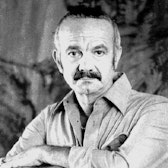
Astor Piazzolla was encouraged by his composition teacher Nadia Boulanger in Paris to embrace his Argentine roots and integrate tango into 'serious music'.
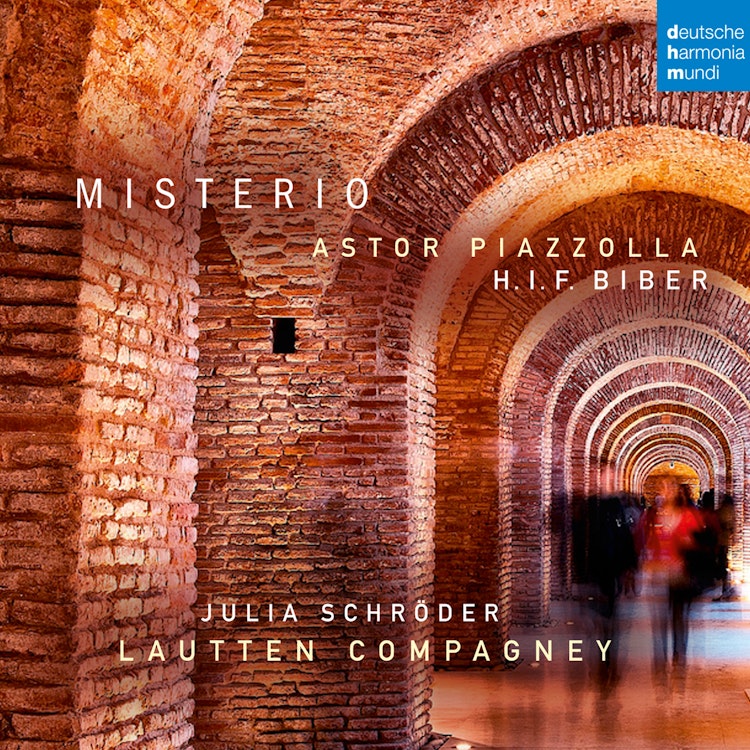
Album & Artwork
The album title, 'Misterio', refers to the ineffable, mysterious, and spiritual aspects common to both the Baroque and modern repertoire featured.