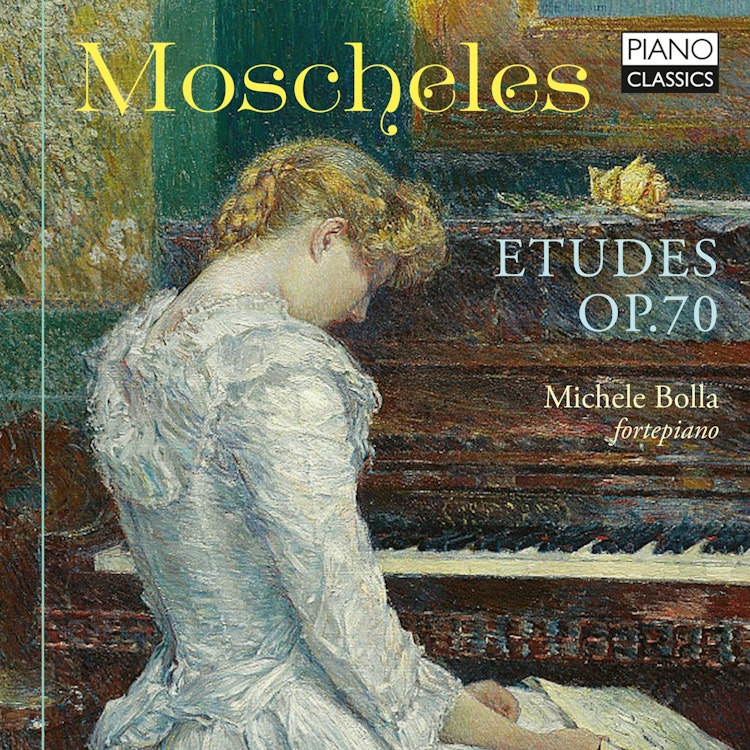
Ignaz Moscheles was a renowned pianist, composer, conductor, and teacher, considered the most important pianist bridging the Classical and early Romantic periods.
Cultural Impact
These etudes influenced major Romantic composers like Robert Schumann, who dedicated his Sonata Op.14 to Moscheles, and Frédéric Chopin, who often taught and played them.
Composer's Artistic Vision
Moscheles intended his Op.70 Etudes not just for technical perfection, but to stimulate the pianist's imagination and ability to express feelings and passions with subtlety.
Instruments
Moscheles was an early adopter of the double escapement mechanism, an ingenious invention by Sebastian Erard that allowed for faster keyboard action and note repetition.
Interpretation
Performer Michele Bolla uses two historical fortepianos for this recording: a McNulty after Conrad Graf 1819 for tracks 1-12, and an Erard 1844 for tracks 13-28.
Critical Reception
Felix Mendelssohn, a pupil and friend of Moscheles, praised the Op.70 Etudes as 'the best pieces of music that I have heard for a long time'.
Composition History
Moscheles's Op.70 Etudes were a constant focus of his thoughts from 1825, with themes often conceived during walks between pupils' homes.
You might also enjoy...
Henselt: Complete Piano Études
Saint-Saëns: Complete Piano Works, Vol. 1
Saint-Saëns: Etudes Op. 52 & 111 & Album pour piano, Op. 72
Piano Fantasy: Music For Two Pianos
Balakirev: Piano Sonata & Other Works
Saint-Saëns: Rare Piano Works Played on a 1923 Pleyel
Joplin: Bethena: A Concert Waltz
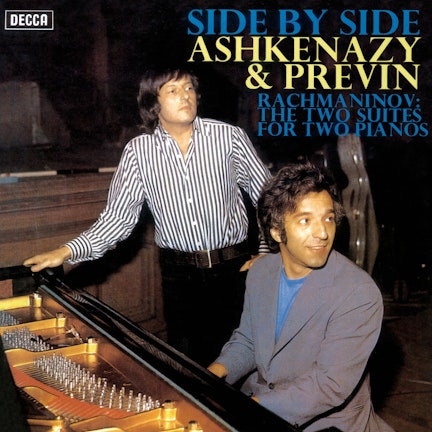
Rachmaninov: Suites for Two Pianos Nos. 1 & 2
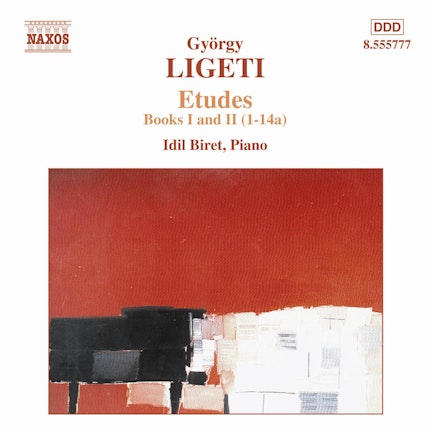
Ligeti, G.: Etudes, Books 1 and 2
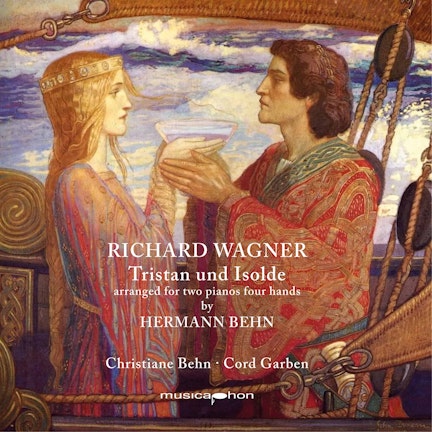
Wagner: Tristan und Isolde, WWV 90 (Arr. H. Behn for 2 Pianos)